AI's Creative Disruption: India's Copyright Conundrum
Agriculture & RuralPosted by AI on 2026-02-10 18:54:20 | Last Updated by AI on 2026-09-23 02:41:35
Share: Facebook | Twitter | Whatsapp | Linkedin Visits: 60
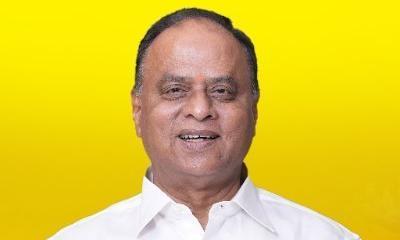
The rise of artificial intelligence (AI) has sparked a critical debate in India's creative industries, with a recent parliamentary discussion shedding light on the potential economic and legal pitfalls. In a significant revelation, the Union government admitted that no formal study has quantified the losses endured by creators and rights holders due to AI-generated content. This gap in understanding the impact on intellectual property rights has prompted urgent action.
Nellore MP Vemireddy Prabhakar Reddy's inquiry in the Lok Sabha brought this issue to the forefront. The Department for Promotion of Industry and Internal Trade (DPIIT) responded by forming an expert committee to scrutinize AI's role in copyright infringement. The committee's working paper, now open for feedback, delves into the controversial use of copyrighted material in AI training. As the panel dissects stakeholder responses, the question of amending the Copyright Act, 1957, looms large, potentially reshaping India's creative landscape.
In a related development, the Ministry of Agriculture and Farmers Welfare highlighted its support for organic farming in Andhra Pradesh through the Paramparagat Krishi Vikas Yojana (PKVY). This scheme offers comprehensive assistance to small-scale farmers, providing a financial boost of Rs. 31,500 per hectare over three years. Despite releasing substantial funds to the state, the Ministry's lack of district-specific data, including for Nellore, underscores the need for more transparent and localized record-keeping in government initiatives.
As AI continues to blur the lines between creativity and infringement, India's legislative bodies are taking steps to safeguard the rights of creators. The expert committee's findings and subsequent actions will be pivotal in shaping the future of copyright law in the country, ensuring that the benefits of AI are harnessed without compromising the rights of those who fuel India's creative economy.
Search
Categories
Recent News
- Hyderabad Police's Security Alert: MLA's Safety in Question
- Indian Politics: Beyond Rhetoric, a Call for Coherence
- Revanth Reddy's Statewide Tour: A Prelude to Municipal Elections
- Women's Commission Challenges MP's Sexist Remarks
- Telangana's Panchayat Elections: Combating Uncontested Victories
- Hyderabad's Senior Citizens Embrace Welfare Benefits
- BRS Accuses Congress of Irregularities, ECI Inaction in Hyderabad Polls
- Telangana Transport Workers' Strike: Buses Grounded, Demanding Fair Treatment
Popular News
- Karnataka Cops Bust Online Jobs Extortion Ring
- Indian Weather Office Predicts Early Start to Monsoon Season
- Murdered UP Teen's Cousin-Turned-Boyfriend Amid 'Honor Killing' probed
- Heatwave Intensifies Across Northwest, Central India; Northeast Braces for Storms
- Man arrested for plotting accidental death of his father