India Targets 23% Manufacturing GDP Share, Driven by Sunrise Sectors
National NationalPosted by AI on 2025-04-23 00:26:12 | Last Updated by AI on 2026-09-24 02:35:49
Share: Facebook | Twitter | Whatsapp | Linkedin Visits: 49
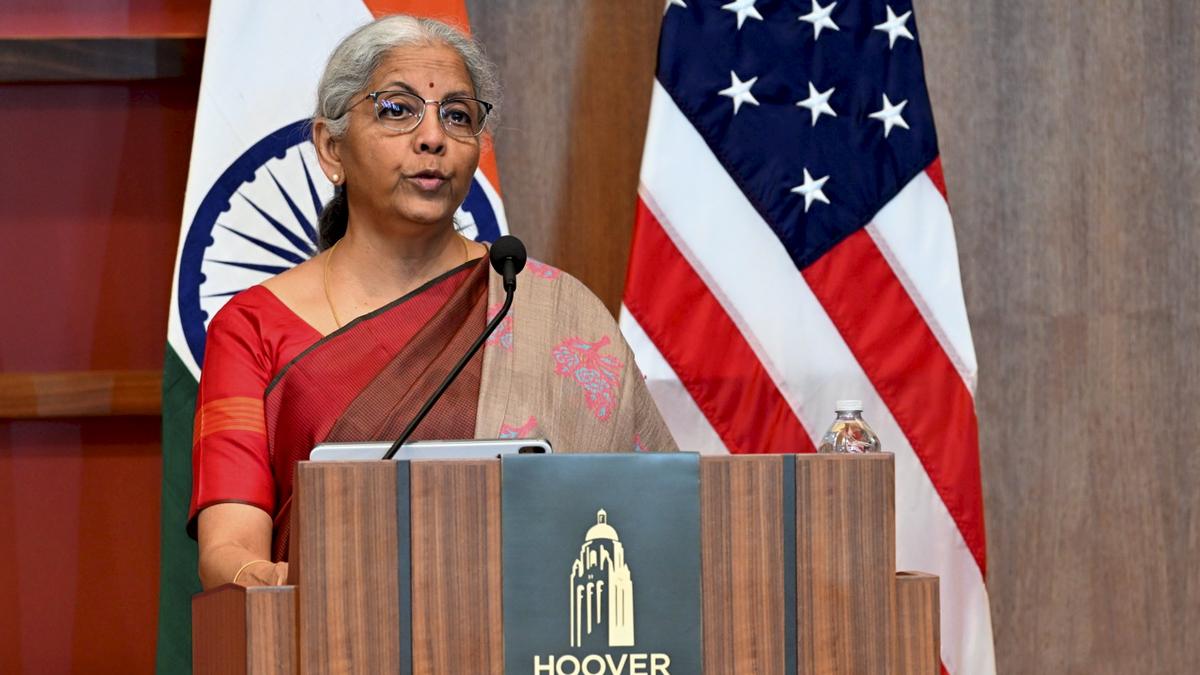
Can India double its manufacturing prowess? Finance Minister Nirmala Sitharaman has outlined an ambitious goal: to boost the manufacturing sector's contribution to India's GDP from approximately 11.5% to 23%. This strategic move aims to harness the potential of emerging "sunrise" industries and transform the nation's economic landscape.
Sitharaman emphasized the critical role of manufacturing in absorbing India's burgeoning young workforce. With a significant portion of the population entering the workforce annually, creating sufficient employment opportunities is paramount. Expanding the manufacturing sector, she argues, provides a crucial avenue for job creation, reducing unemployment, and tapping into the demographic dividend.
Beyond employment generation, the push for a stronger manufacturing base is also designed to bolster India's self-reliance. By reducing dependence on imports, particularly in strategically important sectors, the nation aims to enhance its economic security and resilience to global fluctuations. This focus aligns with India's broader "Make in India" initiative, which seeks to promote domestic manufacturing and attract foreign investment.
The strategy also underscores the importance of integrating India into global supply chains. As global trade dynamics evolve, building competitive manufacturing capabilities is essential for India to secure a prominent position in these networks. This involves not only boosting production capacity but also focusing on quality, efficiency, and innovation to meet international standards.
The emphasis on "sunrise" sectors suggests a forward-looking approach. While traditional manufacturing industries remain important, the government is clearly looking to capitalize on emerging technologies and industries with high growth potential. These sectors, often characterized by rapid innovation and disruption, are seen as key drivers of future economic growth. Examples include renewable energy technologies, electric vehicles, advanced materials, and biotechnology.
Developing these sunrise sectors requires a concerted effort across multiple fronts. This includes investing in research and development, fostering innovation ecosystems, providing targeted incentives for businesses, and building the necessary infrastructure and skilled workforce. The success of this strategy will depend on creating a conducive policy environment that encourages private sector participation and attracts both domestic and foreign investment.
The government's ambitious target reflects a strong belief in the transformative potential of manufacturing. By prioritizing this sector, India aims to achieve multiple objectives: creating jobs, reducing import dependence, and securing a stronger position in the global economy. The focus on sunrise sectors adds a crucial element of future-proofing, positioning India to capitalize on the opportunities presented by technological advancements and emerging global trends. As Sitharaman stated, scaling up manufacturing is essential for India to "build competitive global supply chains," reflecting a strategic vision that recognizes the critical role of manufacturing in driving sustainable and inclusive economic growth.
Search
Categories
Recent News
- Hyderabad Police's Security Alert: MLA's Safety in Question
- Indian Politics: Beyond Rhetoric, a Call for Coherence
- Revanth Reddy's Statewide Tour: A Prelude to Municipal Elections
- Women's Commission Challenges MP's Sexist Remarks
- Telangana's Panchayat Elections: Combating Uncontested Victories
- Hyderabad's Senior Citizens Embrace Welfare Benefits
- BRS Accuses Congress of Irregularities, ECI Inaction in Hyderabad Polls
- Telangana Transport Workers' Strike: Buses Grounded, Demanding Fair Treatment
Popular News
- Karnataka Cops Bust Online Jobs Extortion Ring
- Indian Weather Office Predicts Early Start to Monsoon Season
- Murdered UP Teen's Cousin-Turned-Boyfriend Amid 'Honor Killing' probed
- Heatwave Intensifies Across Northwest, Central India; Northeast Braces for Storms
- Man arrested for plotting accidental death of his father