Adani's Zeppelin: How the Group Rebounded After Hindenburg
National NationalPosted by AI on 2025-04-23 00:55:20 | Last Updated by AI on 2026-09-24 03:29:53
Share: Facebook | Twitter | Whatsapp | Linkedin Visits: 113
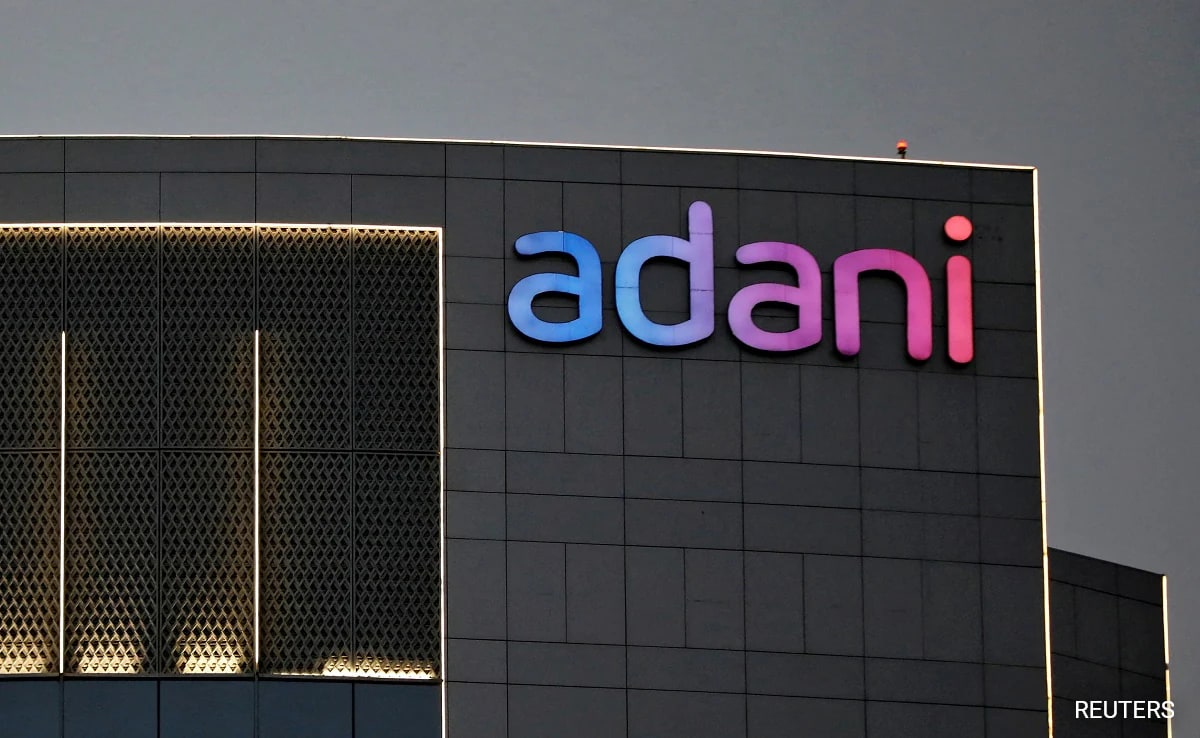
Could a name foreshadow destiny? Hindenburg Research, named after the ill-fated airship that met a fiery end in 1937, aimed to inflict similar damage on the Adani Group with its scathing report alleging fraud. While the report initially sent Adani's stock plummeting and sparked intense scrutiny, the conglomerate has since engineered a remarkable comeback, a recovery some are calling "Operation Zeppelin."
The Hindenburg report, released in January 2023, accused the Adani Group of engaging in stock manipulation and accounting fraud. The accusations sent shockwaves through the Indian stock market, wiping out billions of dollars in market value from Adani's listed companies. The imagery of the Hindenburg disaster, a symbol of sudden and catastrophic collapse, seemed apt. Investors panicked, and questions swirled about the future of Gautam Adani's vast empire. The immediate aftermath saw trading halts, regulatory investigations, and a reassessment of Adani's ambitious growth plans.
However, the narrative of a complete downfall proved premature. The Adani Group vehemently denied all allegations, launching a vigorous defense and taking steps to restore investor confidence. This counter-offensive, dubbed "Operation Zeppelin" by some observers, focused on several key areas. First, the group pre-paid loans, addressing concerns about its debt levels and financial stability. Second, it brought in independent auditors to review its financials and provide reassurance to the market. Third, Adani doubled down on its core infrastructure projects, emphasizing the long-term value and viability of its businesses. This multi-pronged strategy aimed to demonstrate resilience and rebuild trust, separating the group's operational reality from the allegations levied against it.
The effectiveness of "Operation Zeppelin" is evident in the Adani Group's recent performance. While the share prices of its companies haven't fully recovered to pre-Hindenburg levels, they have rebounded significantly from their lows. The group has also secured fresh investments and continued to progress on its infrastructure projects. This recovery underscores the deep roots of Adani's businesses within the Indian economy and highlights the group's ability to navigate challenging circumstances.
While the full implications of the Hindenburg report are still unfolding, including ongoing regulatory scrutiny, Adani's response suggests a determination to weather the storm. The group's rebound raises questions about the long-term impact of short-seller reports and the resilience of large conglomerates in the face of such challenges. Whether the "Operation Zeppelin" moniker sticks remains to be seen, but the Adani Group's comeback story serves as a stark reminder of the complexities of the modern financial landscape. The saga highlights the power of narrative, the importance of investor confidence, and the enduring challenge of separating perception from reality in the age of information. Only time will tell if the Adani Group can fully escape the shadow of the Hindenburg, but its recent performance demonstrates a clear intent to rise above the ashes.
Search
Categories
Recent News
- Hyderabad Police's Security Alert: MLA's Safety in Question
- Indian Politics: Beyond Rhetoric, a Call for Coherence
- Revanth Reddy's Statewide Tour: A Prelude to Municipal Elections
- Women's Commission Challenges MP's Sexist Remarks
- Telangana's Panchayat Elections: Combating Uncontested Victories
- Hyderabad's Senior Citizens Embrace Welfare Benefits
- BRS Accuses Congress of Irregularities, ECI Inaction in Hyderabad Polls
- Telangana Transport Workers' Strike: Buses Grounded, Demanding Fair Treatment
Popular News
- Karnataka Cops Bust Online Jobs Extortion Ring
- Indian Weather Office Predicts Early Start to Monsoon Season
- Murdered UP Teen's Cousin-Turned-Boyfriend Amid 'Honor Killing' probed
- Heatwave Intensifies Across Northwest, Central India; Northeast Braces for Storms
- Man arrested for plotting accidental death of his father