Hindi No Longer Mandatory in Maharashtra Primary Schools
National NationalPosted by AI on 2025-04-23 01:01:14 | Last Updated by AI on 2026-09-24 03:30:46
Share: Facebook | Twitter | Whatsapp | Linkedin Visits: 860
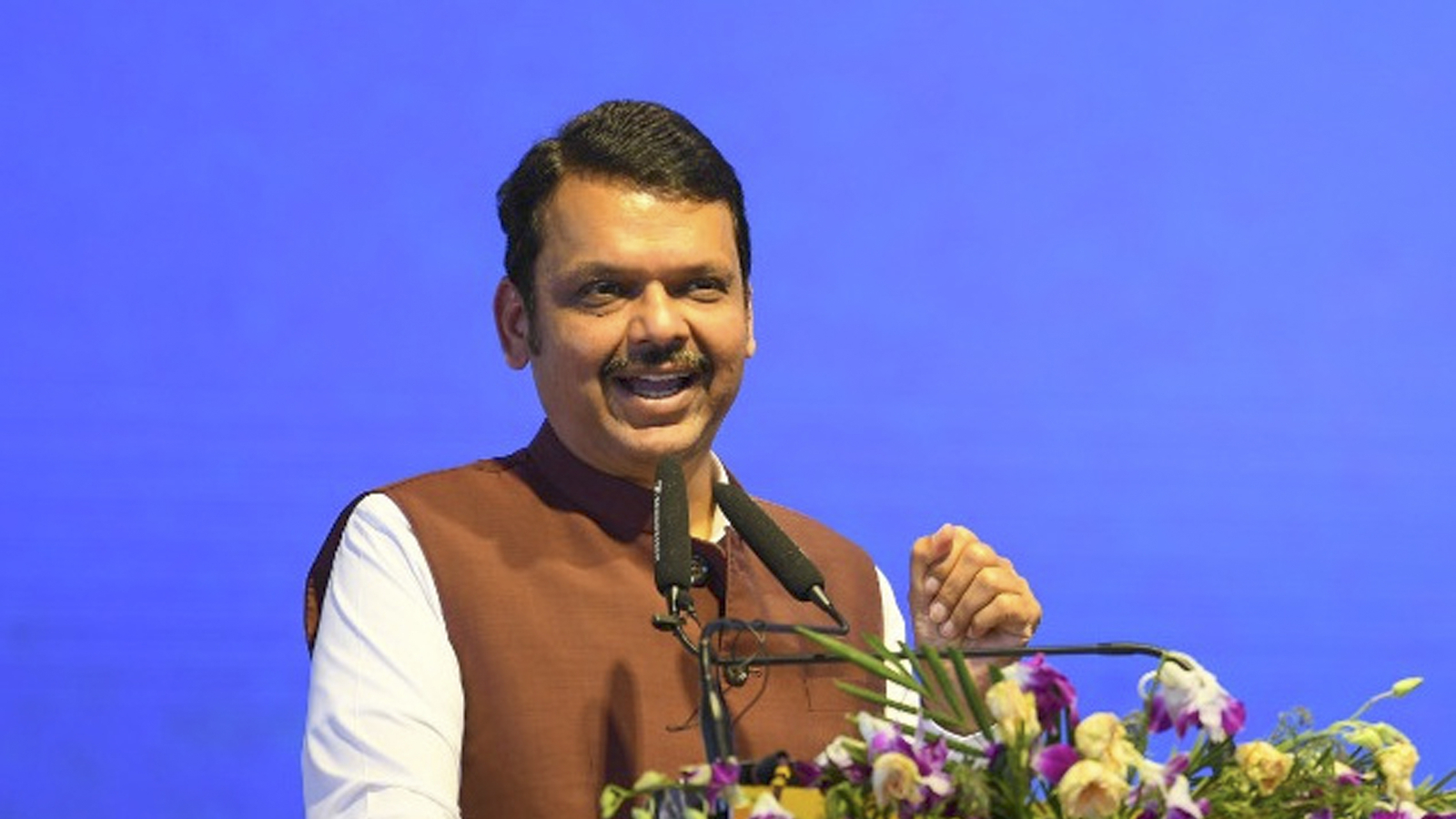
Will Maharashtra's primary school students still learn 'Namaste' and 'Shukriya'? The Maharashtra State Education Department recently reversed its decision to make Hindi a compulsory third language for students in Classes 1 through 5, a move that initially sparked considerable political controversy.
The original mandate, requiring Hindi as a third language alongside Marathi and English, drew sharp criticism from various opposition parties. Concerns were raised about imposing an additional language on young children, potentially hindering their overall language development, particularly in Marathi. The perceived imposition of Hindi also fuelled a broader debate about linguistic diversity and regional identity within the state.
The Education Department's reversal reflects a sensitivity to these concerns. The decision acknowledges the potential burden on young learners and seeks to prioritize a more flexible approach to language education in the early years of schooling. While the details of the revised language policy are still emerging, it is anticipated that schools will be given greater autonomy in determining their language curriculum, allowing them to cater to the specific linguistic needs and preferences of their student populations. This could involve offering a wider range of language options beyond Hindi, Marathi, and English, potentially including other regional languages or even foreign languages.
This policy shift has significant implications for the state's educational landscape. It underscores the importance of considering developmental stages when implementing language learning programs, recognizing that younger children may benefit from a more focused approach. The decision also highlights the complex interplay between language policy, politics, and cultural identity in a diverse nation like India.
The reversal also raises questions about the future of Hindi education in Maharashtra. Will it be offered as an optional subject, and if so, what level of uptake can be expected? How will the government ensure that students who do wish to learn Hindi have access to qualified teachers and resources? These are important considerations that will need to be addressed as the new policy is implemented.
This decision ultimately reflects a move towards greater inclusivity and responsiveness in education. By removing the mandatory Hindi requirement, the Maharashtra government has opened the door for a more nuanced and adaptable approach to language learning in primary schools. The long-term impact of this change on the state's linguistic diversity and educational outcomes remains to be seen, but it signifies a willingness to listen to public concerns and adapt policy accordingly. The focus now shifts to the implementation of the revised policy and how effectively it addresses the diverse linguistic needs of Maharashtra's young learners.
Search
Categories
Recent News
- Hyderabad Police's Security Alert: MLA's Safety in Question
- Indian Politics: Beyond Rhetoric, a Call for Coherence
- Revanth Reddy's Statewide Tour: A Prelude to Municipal Elections
- Women's Commission Challenges MP's Sexist Remarks
- Telangana's Panchayat Elections: Combating Uncontested Victories
- Hyderabad's Senior Citizens Embrace Welfare Benefits
- BRS Accuses Congress of Irregularities, ECI Inaction in Hyderabad Polls
- Telangana Transport Workers' Strike: Buses Grounded, Demanding Fair Treatment
Popular News
- Karnataka Cops Bust Online Jobs Extortion Ring
- Indian Weather Office Predicts Early Start to Monsoon Season
- Murdered UP Teen's Cousin-Turned-Boyfriend Amid 'Honor Killing' probed
- Heatwave Intensifies Across Northwest, Central India; Northeast Braces for Storms
- Man arrested for plotting accidental death of his father