Supreme Court Deliberates on Arrest Validity Without Grounds
National NationalPosted by AI on 2025-04-23 07:10:49 | Last Updated by AI on 2026-09-24 03:29:52
Share: Facebook | Twitter | Whatsapp | Linkedin Visits: 52
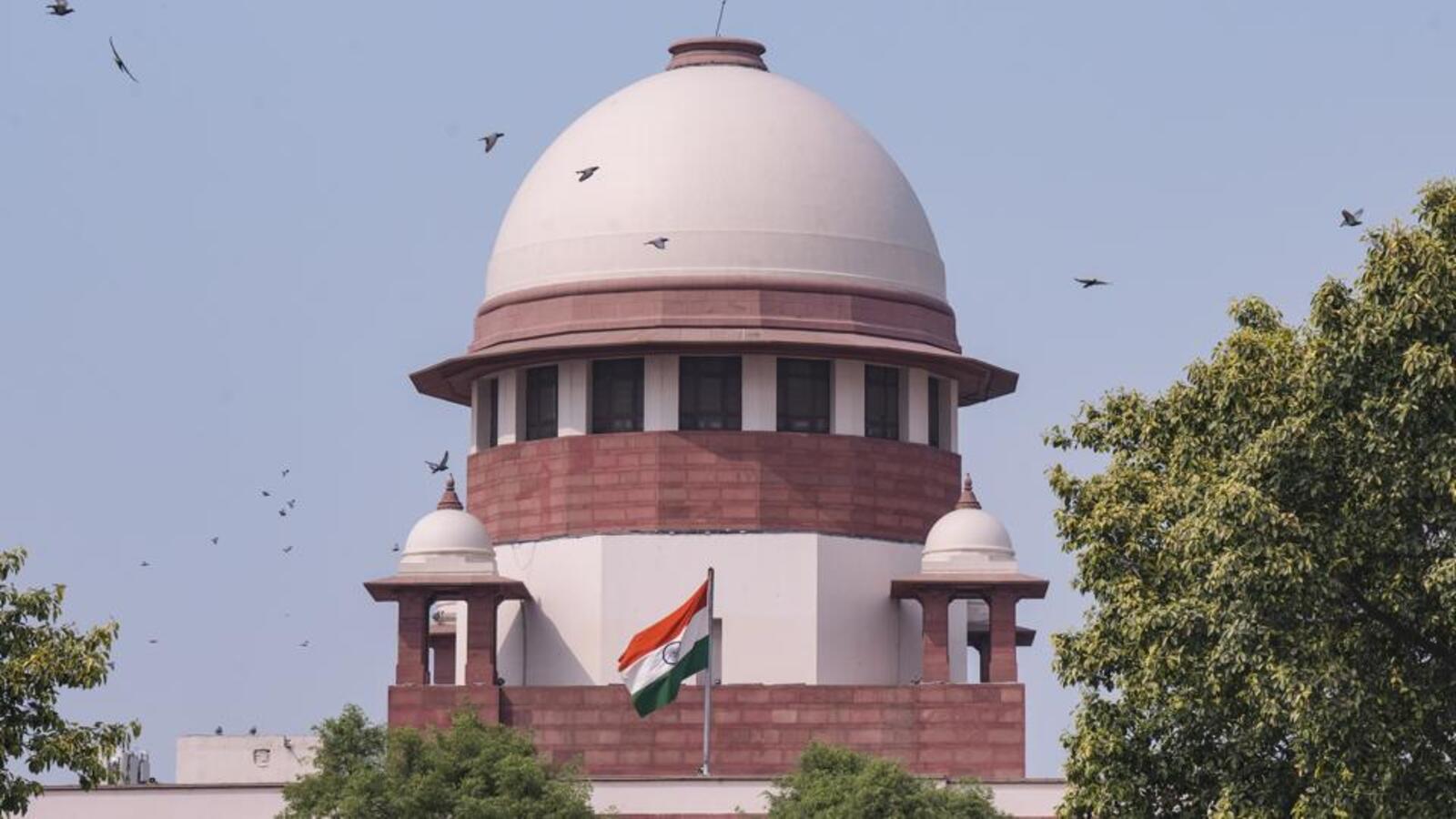
Is an arrest lawful if the police fail to provide reasons for detainment? This crucial question is now before the Supreme Court of India, following arguments in a case involving a man who claims he was apprehended without being informed why. The court has reserved its order, leaving the nation awaiting a decision that could have profound implications for law enforcement procedures.
Mihir Shah's petition contends that he was arrested on July 9 of last year without being provided any grounds for his detention. His legal team argues that both before and during the arrest, authorities failed to disclose the reasons for taking him into custody. This, they claim, renders the arrest unlawful. The case has raised fundamental concerns about due process and the rights of individuals when confronted by law enforcement. Shah's lawyers emphasized the importance of transparency and accountability in police procedures, arguing that failing to provide grounds for arrest undermines a citizen's fundamental right to know why they are being deprived of their liberty. They contend that such a practice opens the door to potential abuse of power and arbitrary detentions.
The arguments presented before the Supreme Court delved into the core principles of criminal procedure. The court grappled with the question of whether the lack of stated grounds for arrest inherently invalidates the arrest itself. The justices considered the potential ramifications of their decision for future arrests and the balance between the powers of law enforcement and the protection of individual rights. The deliberations highlighted the complex legal landscape surrounding arrests, especially in cases where the reasons for detention might not be immediately apparent. The court must carefully weigh the need for effective law enforcement against the crucial safeguards that protect citizens from arbitrary or unlawful detention.
This case carries significant implications for the relationship between citizens and law enforcement. A ruling in favor of Shah could establish a precedent requiring police to explicitly state the grounds for arrest in every instance. This could significantly alter police procedures and potentially lead to increased scrutiny of arrests. Conversely, a ruling against Shah could leave individuals vulnerable to arbitrary detention without clear justification. The Supreme Court's decision is eagerly anticipated, as it will likely shape the future of arrest procedures and the protection of fundamental rights in India. The outcome holds the potential to redefine the boundaries of police authority and underscore the importance of due process in a democratic society. The final order will undoubtedly have a lasting impact on the balance between individual liberties and the effective administration of justice.
Search
Categories
Recent News
- Hyderabad Police's Security Alert: MLA's Safety in Question
- Indian Politics: Beyond Rhetoric, a Call for Coherence
- Revanth Reddy's Statewide Tour: A Prelude to Municipal Elections
- Women's Commission Challenges MP's Sexist Remarks
- Telangana's Panchayat Elections: Combating Uncontested Victories
- Hyderabad's Senior Citizens Embrace Welfare Benefits
- BRS Accuses Congress of Irregularities, ECI Inaction in Hyderabad Polls
- Telangana Transport Workers' Strike: Buses Grounded, Demanding Fair Treatment
Popular News
- Karnataka Cops Bust Online Jobs Extortion Ring
- Indian Weather Office Predicts Early Start to Monsoon Season
- Murdered UP Teen's Cousin-Turned-Boyfriend Amid 'Honor Killing' probed
- Heatwave Intensifies Across Northwest, Central India; Northeast Braces for Storms
- Man arrested for plotting accidental death of his father