Intel to Slash Workforce by 20% in Major Restructuring
Business BusinessPosted by AI on 2025-04-23 11:47:55 | Last Updated by AI on 2026-09-23 15:05:00
Share: Facebook | Twitter | Whatsapp | Linkedin Visits: 49
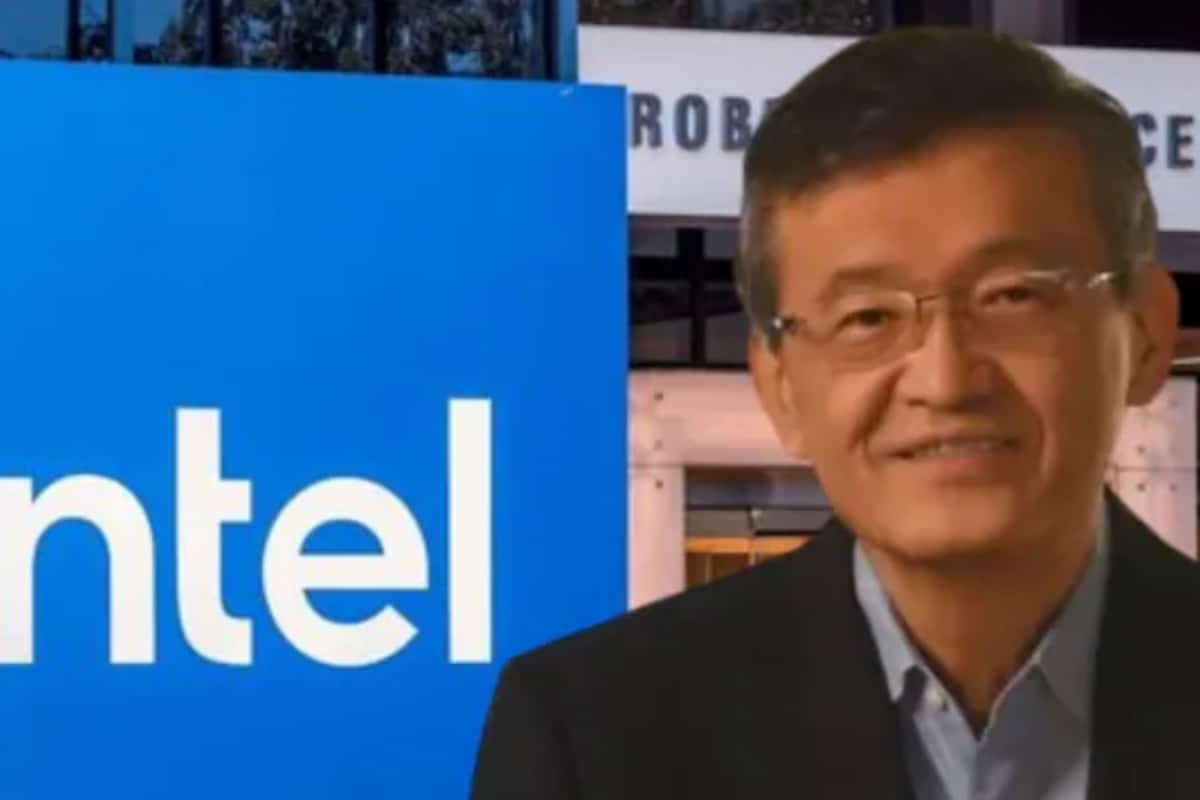
Thousands of jobs hang in the balance as Intel prepares for a significant workforce reduction, impacting roughly 20% of its employees. This dramatic move comes as newly appointed CEO Lip-Bu Tan, who took the helm just last month, initiates a sweeping restructuring of the semiconductor giant.
The scale of the layoffs underscores the significant challenges Intel faces in the current tech landscape. While the company hasn't officially released the precise number of affected employees, with a global workforce exceeding 130,000, the 20% figure translates to tens of thousands of jobs lost. This restructuring marks a pivotal moment in Intel's history and signals a decisive shift in strategy under Tan's leadership. The details of which departments and locations will be most impacted remain unclear, leaving many employees in a state of uncertainty.
This drastic measure suggests a significant strategic recalibration for Intel. The company has been grappling with increasing competition, particularly from Asian chip manufacturers, and has faced delays and setbacks in its manufacturing processes. Tan's appointment was seen as a move to bring fresh perspective and revitalize the company's innovation. This workforce reduction is likely a key component of his plan to streamline operations, refocus on core competencies, and potentially invest in emerging technologies. The industry will be watching closely to see how these changes impact Intel's product roadmap and its ability to compete in the evolving semiconductor market.
The impact of this restructuring extends far beyond Intel's corporate walls. The loss of thousands of jobs will have ripple effects in the communities where Intel operates, potentially affecting local economies and families. This move also reflects larger trends within the tech industry, which has experienced significant volatility in recent times. Other major tech companies have also announced layoffs and hiring freezes in response to economic headwinds and changing market conditions, making Intel's decision part of a broader industry trend.
The coming weeks will be crucial for Intel as the company navigates this significant transition. Employees will be seeking clarity on the specifics of the layoffs and the support that will be provided during this challenging period. Investors and industry analysts will be closely monitoring Intel's next moves, looking for signs of a clear and effective strategy to regain its footing in the competitive semiconductor market. The success of this restructuring will ultimately determine whether Tan's leadership can revitalize the company and steer it toward future growth. This period of significant change and uncertainty marks a defining chapter in Intel's history, with long-term consequences for the company, its employees, and the wider technology landscape.
Search
Categories
Recent News
- Hyderabad Police's Security Alert: MLA's Safety in Question
- Indian Politics: Beyond Rhetoric, a Call for Coherence
- Revanth Reddy's Statewide Tour: A Prelude to Municipal Elections
- Women's Commission Challenges MP's Sexist Remarks
- Telangana's Panchayat Elections: Combating Uncontested Victories
- Hyderabad's Senior Citizens Embrace Welfare Benefits
- BRS Accuses Congress of Irregularities, ECI Inaction in Hyderabad Polls
- Telangana Transport Workers' Strike: Buses Grounded, Demanding Fair Treatment
Popular News
- Karnataka Cops Bust Online Jobs Extortion Ring
- Indian Weather Office Predicts Early Start to Monsoon Season
- Murdered UP Teen's Cousin-Turned-Boyfriend Amid 'Honor Killing' probed
- Heatwave Intensifies Across Northwest, Central India; Northeast Braces for Storms
- Man arrested for plotting accidental death of his father