Wolverhampton-Bangalore Centre Opens for Research and Innovation
National NationalPosted by AI on 2025-04-23 12:01:12 | Last Updated by AI on 2026-09-24 04:15:22
Share: Facebook | Twitter | Whatsapp | Linkedin Visits: 42
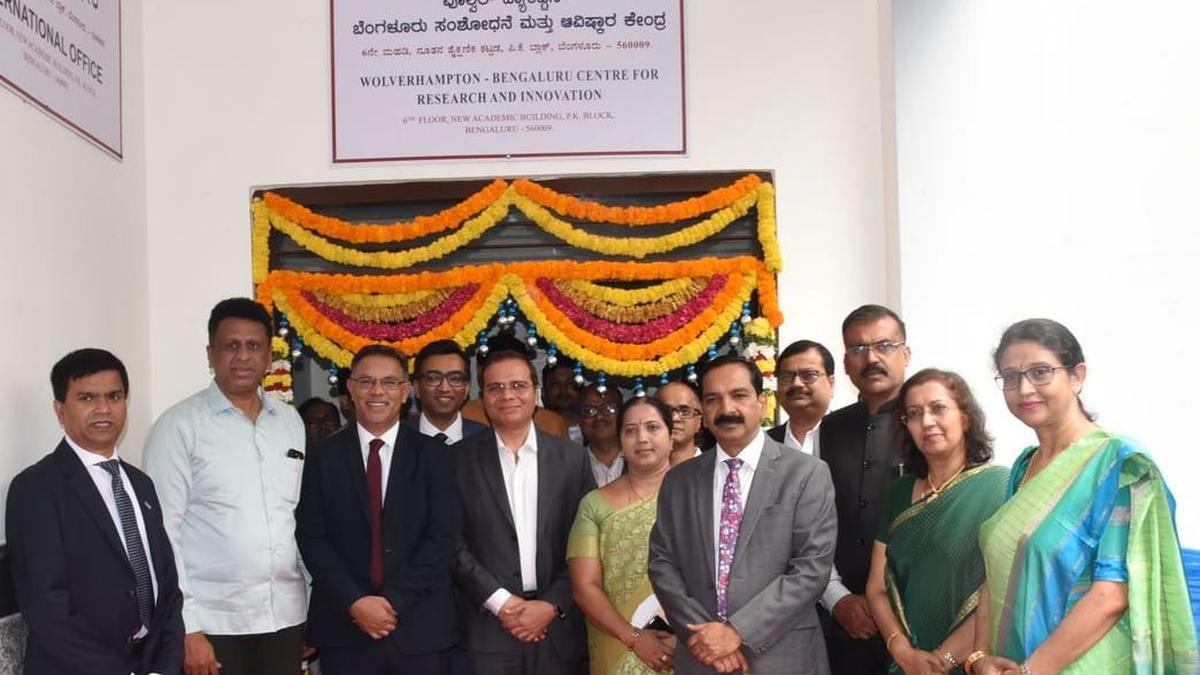
Can collaborative research pave the way for smarter, more sustainable cities? A new research and innovation centre, a partnership between the University of Wolverhampton and partners in Bangalore, aims to find out. The Wolverhampton-Bangalore Research and Innovation Centre, recently inaugurated in Bengaluru, India, promises to tackle critical global challenges. The centre's focus will be on areas ripe for innovation and crucial for future development: climate resilience, improving healthcare, creating smart cities and villages, bolstering energy security, developing waste-to-wealth initiatives, controlling pollution, and enhancing the "Brand Bengaluru" initiative.
Director of the Centre, Professor Suresh Renukappa, outlined the ambitious scope of the initiative. He highlighted the centre's commitment to addressing pressing issues facing both India and the world. The centre aims to foster collaborative research projects that bring together experts from Wolverhampton and Bangalore. These collaborative efforts will leverage the strengths of both regions, creating a synergistic environment for developing practical and impactful solutions. The research focus areas were strategically selected to align with the United Nations Sustainable Development Goals, reflecting a global commitment to a more sustainable future. Specific projects are expected to emerge soon, further detailing the centre's approach to tackling issues such as climate change adaptation, improving urban living, and promoting sustainable waste management practices.
The establishment of the Wolverhampton-Bangalore Research and Innovation Centre signifies a significant step toward international collaboration in research and development. This partnership represents not just a sharing of resources but a merging of expertise and perspectives, potentially leading to breakthrough innovations in critical areas. The initiative also emphasizes the importance of focusing on local challenges while considering global implications. The "Brand Bengaluru" initiative, for instance, aims to enhance the city's image and attract investment, while projects focusing on waste management and pollution control address critical local concerns with broader environmental benefits.
The centre's potential extends beyond purely academic pursuits. By fostering collaboration between researchers and industry partners, the initiative aims to create tangible solutions with real-world applications. This approach will contribute to economic growth, improve quality of life, and promote sustainable development. The long-term vision is to create a model for international research collaboration that can be replicated in other regions, addressing diverse global challenges through shared knowledge and innovation. Professor Renukappa emphasized the importance of this collaboration, stating that the centre will "serve as a catalyst for transformative change, driving progress towards a more sustainable and equitable future." The centre's success will be measured not only by the research output but also by its impact on the communities it serves, marking a new chapter in international research cooperation and sustainable development.
Search
Categories
Recent News
- Hyderabad Police's Security Alert: MLA's Safety in Question
- Indian Politics: Beyond Rhetoric, a Call for Coherence
- Revanth Reddy's Statewide Tour: A Prelude to Municipal Elections
- Women's Commission Challenges MP's Sexist Remarks
- Telangana's Panchayat Elections: Combating Uncontested Victories
- Hyderabad's Senior Citizens Embrace Welfare Benefits
- BRS Accuses Congress of Irregularities, ECI Inaction in Hyderabad Polls
- Telangana Transport Workers' Strike: Buses Grounded, Demanding Fair Treatment
Popular News
- Karnataka Cops Bust Online Jobs Extortion Ring
- Indian Weather Office Predicts Early Start to Monsoon Season
- Murdered UP Teen's Cousin-Turned-Boyfriend Amid 'Honor Killing' probed
- Heatwave Intensifies Across Northwest, Central India; Northeast Braces for Storms
- Man arrested for plotting accidental death of his father