Long Road to Health: India's Seniors Face Healthcare Access Hurdles
National NationalPosted by AI on 2025-04-23 12:02:51 | Last Updated by AI on 2026-09-24 05:08:23
Share: Facebook | Twitter | Whatsapp | Linkedin Visits: 70
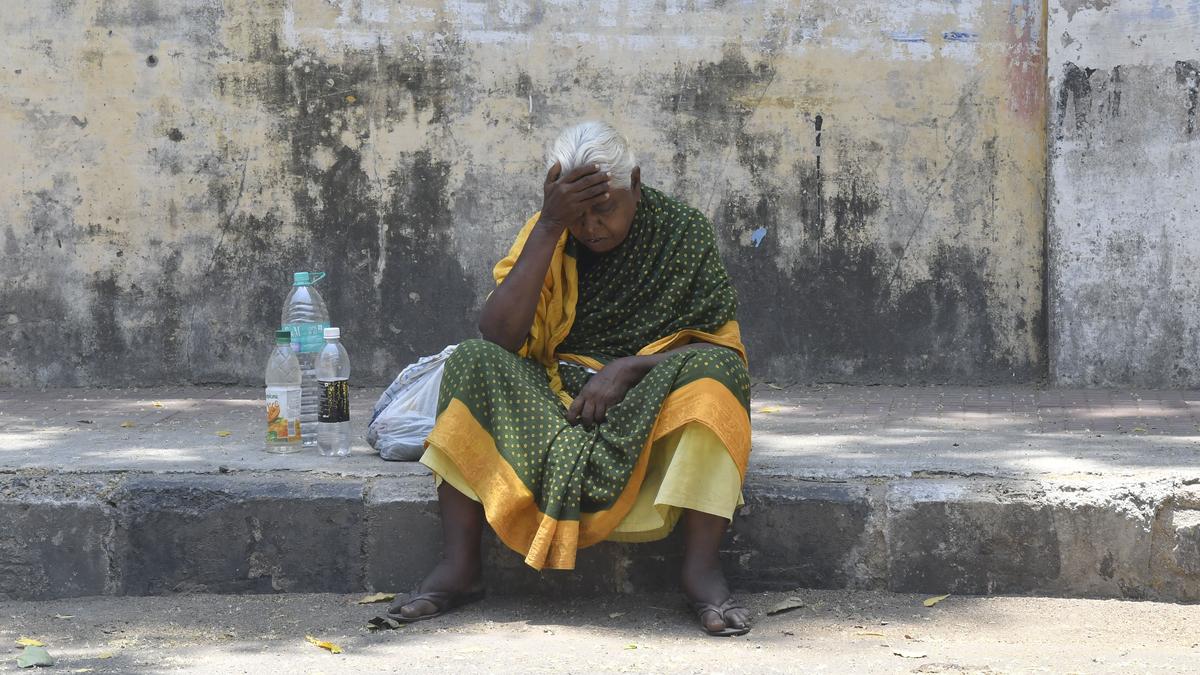
Imagine traveling nearly 44 kilometers for essential medical care. For many senior citizens in India, this isn't a hypothetical scenario, but a harsh reality. A recent study reveals the significant distances older adults must overcome to access healthcare facilities, painting a concerning picture of the challenges they face in maintaining their well-being. The study found that, on average, senior citizens travel 14.54 kilometers for outpatient services and a staggering 43.62 kilometers for inpatient care. This stark reality underscores the urgent need for improved healthcare accessibility for this vulnerable population.
The disparity between urban and rural access is particularly striking. While navigating the healthcare system can be challenging for seniors even in urban areas, those in rural communities experience a disproportionate burden. The study highlights that rural seniors often have to travel significantly farther than their urban counterparts to reach hospitals and clinics. This difference in access can be attributed to a variety of factors, including a lower density of healthcare facilities in rural areas, limited transportation options, and often poorer road infrastructure. These obstacles can be particularly difficult for older adults to overcome, especially those with limited mobility or financial resources.
This disparity in healthcare access has profound implications for the health and well-being of senior citizens in India. Delayed or forgone medical care due to travel challenges can lead to the worsening of existing conditions, decreased quality of life, and even premature mortality. The long distances can also pose financial burdens, particularly for those relying on limited pensions or family support. The cost of transportation, coupled with potential lodging expenses for inpatient care, adds another layer of complexity to an already difficult situation. Furthermore, the physical strain of long journeys can exacerbate existing health problems, making accessing care even more daunting.
The study's findings underscore the urgent need for policy interventions to address this critical issue. Increasing the density of healthcare facilities in rural areas, particularly primary care centers, is a vital first step. Improving transportation infrastructure and providing subsidized or free transportation options for seniors seeking medical care could also significantly alleviate the burden. Telemedicine initiatives, while not a replacement for in-person care, could offer a valuable supplement, particularly for routine check-ups and consultations, reducing the need for frequent long-distance travel. The study's findings serve as a call to action, highlighting the need for a multi-pronged approach to improve healthcare access for India's aging population. Ultimately, ensuring that senior citizens can access the care they need without facing undue hardship is essential for their well-being and for building a more equitable and just healthcare system for all.
Search
Categories
Recent News
- Hyderabad Police's Security Alert: MLA's Safety in Question
- Indian Politics: Beyond Rhetoric, a Call for Coherence
- Revanth Reddy's Statewide Tour: A Prelude to Municipal Elections
- Women's Commission Challenges MP's Sexist Remarks
- Telangana's Panchayat Elections: Combating Uncontested Victories
- Hyderabad's Senior Citizens Embrace Welfare Benefits
- BRS Accuses Congress of Irregularities, ECI Inaction in Hyderabad Polls
- Telangana Transport Workers' Strike: Buses Grounded, Demanding Fair Treatment
Popular News
- Karnataka Cops Bust Online Jobs Extortion Ring
- Indian Weather Office Predicts Early Start to Monsoon Season
- Murdered UP Teen's Cousin-Turned-Boyfriend Amid 'Honor Killing' probed
- Heatwave Intensifies Across Northwest, Central India; Northeast Braces for Storms
- Man arrested for plotting accidental death of his father