LeT's TRF: Skilled Lashkar Terrorists Pose New Threat
National NationalPosted by AI on 2025-04-23 12:10:42 | Last Updated by AI on 2026-09-24 05:09:08
Share: Facebook | Twitter | Whatsapp | Linkedin Visits: 53
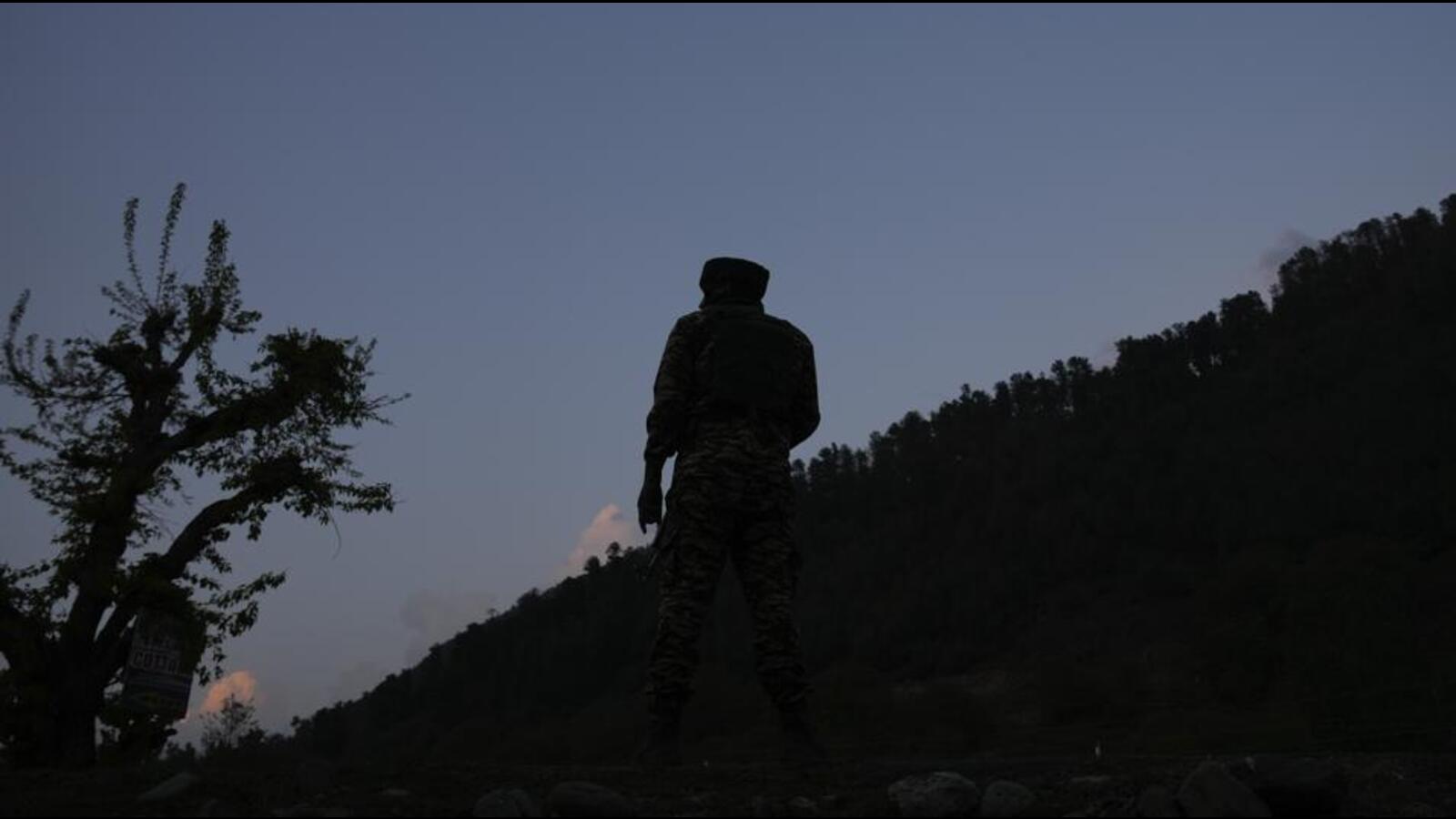
Are seemingly new terrorist threats in Kashmir actually a wolf in sheep's clothing? Intelligence officials reveal that The Resistance Front (TRF), a purportedly indigenous Kashmiri militant group, is in fact a proxy organization for the notorious Lashkar-e-Taiba (LeT), and its ranks include highly trained terrorists drawn from LeT's core group. This revelation raises serious concerns about the escalating security situation in the region and Pakistan's continued use of proxy groups to destabilize Kashmir.
The TRF's modus operandi, according to officials, centers around instilling fear and disrupting normalcy. Their targets include both local civilians and visitors to the region, creating an atmosphere of unease and jeopardizing the fragile peace. This tactic aligns with Pakistan's long-standing strategy of using proxy groups to exert pressure and maintain a climate of instability in Kashmir, officials assert. By distancing themselves from the actions of the TRF, Pakistan aims to avoid international scrutiny and maintain plausible deniability. However, the presence of seasoned Lashkar operatives within the TRF exposes the thinly veiled connection and underscores Pakistan's continued involvement in fueling the conflict.
The revelation about TRF's true nature highlights the complex security challenges faced by India. The use of proxy groups allows organizations like LeT to operate under the guise of local resistance movements, making it difficult to distinguish between genuine indigenous grievances and externally orchestrated violence. This blurring of lines complicates counter-terrorism efforts and risks further alienating the local population. Moreover, the involvement of highly skilled terrorists from LeT's core group within TRF signifies a potential increase in the sophistication and lethality of attacks, posing a significant threat to security forces and civilians alike.
The presence of these experienced operatives within the TRF raises concerns about the group's potential to carry out more complex and coordinated attacks. Their expertise in areas such as weapons training, explosives handling, and tactical planning could lead to a surge in violence and further destabilize the region. This development also has implications for regional stability, as it could escalate tensions between India and Pakistan and further complicate efforts to resolve the long-standing Kashmir dispute.
The unmasking of the TRF as a LeT proxy underscores the need for increased vigilance and enhanced intelligence gathering to counter the evolving threat landscape in Kashmir. It also calls for greater international pressure on Pakistan to dismantle its support infrastructure for terrorist groups and end its policy of using proxies to fuel instability in the region. The future of Kashmir hangs precariously in the balance, demanding a concerted and resolute approach to address the root causes of the conflict and bring lasting peace to the valley. The international community must hold Pakistan accountable for its actions and work towards a solution that ensures the safety and security of all Kashmiris.
Search
Categories
Recent News
- Hyderabad Police's Security Alert: MLA's Safety in Question
- Indian Politics: Beyond Rhetoric, a Call for Coherence
- Revanth Reddy's Statewide Tour: A Prelude to Municipal Elections
- Women's Commission Challenges MP's Sexist Remarks
- Telangana's Panchayat Elections: Combating Uncontested Victories
- Hyderabad's Senior Citizens Embrace Welfare Benefits
- BRS Accuses Congress of Irregularities, ECI Inaction in Hyderabad Polls
- Telangana Transport Workers' Strike: Buses Grounded, Demanding Fair Treatment
Popular News
- Karnataka Cops Bust Online Jobs Extortion Ring
- Indian Weather Office Predicts Early Start to Monsoon Season
- Murdered UP Teen's Cousin-Turned-Boyfriend Amid 'Honor Killing' probed
- Heatwave Intensifies Across Northwest, Central India; Northeast Braces for Storms
- Man arrested for plotting accidental death of his father