Five from Bengal state-run center crack Civil Services
National NationalPosted by AI on 2025-04-23 12:45:14 | Last Updated by AI on 2026-09-24 05:08:23
Share: Facebook | Twitter | Whatsapp | Linkedin Visits: 649
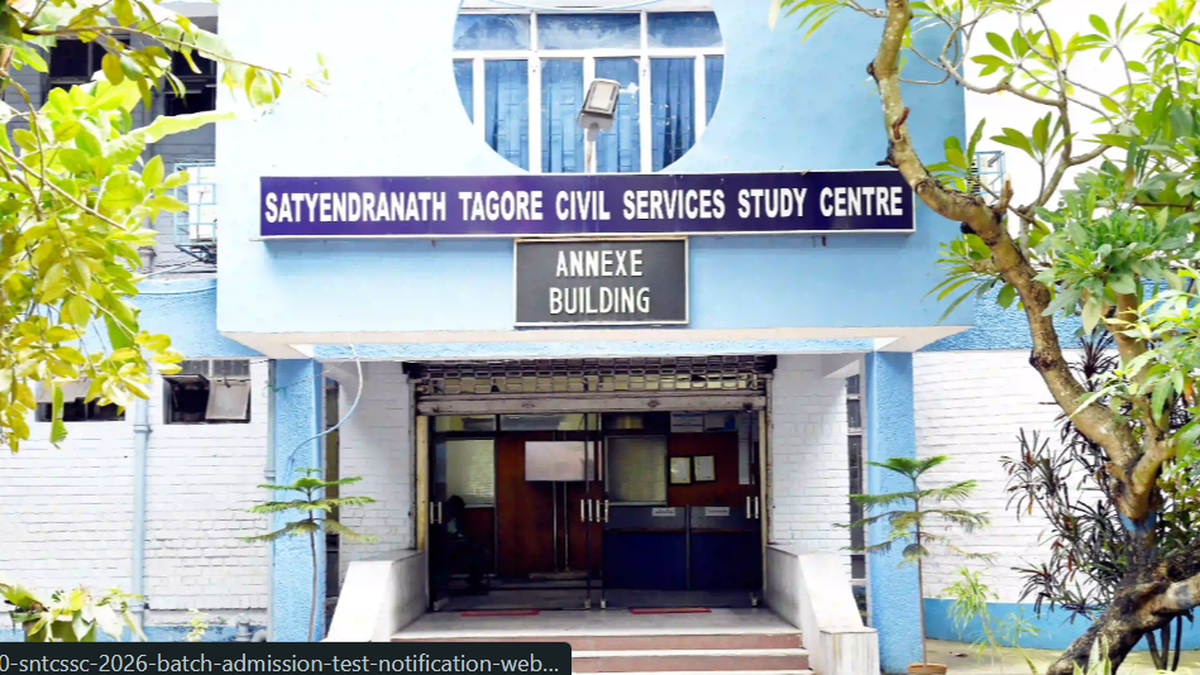
Can a government-run coaching center be the key to cracking one of India's toughest exams? For five students from the State Nodal Training Centre for Scheduled Castes and Scheduled Tribes Candidates Study Centre (SNTCSSC) in West Bengal, the answer is a resounding yes. They have emerged victorious, earning coveted spots on the Civil Services merit list, a testament to their hard work and the center's effective coaching program.
The SNTCSSC, designed to provide specialized training and guidance to candidates from Scheduled Castes and Scheduled Tribes communities, has been steadily building a reputation for success. While these five successful candidates represent the pinnacle of achievement, they are not isolated cases. Officials from the SNTCSSC revealed a consistent track record of strong performance in the Civil Services Examination. Over the past few years, the center has sent between 15 and 20 candidates to the interview stage of the examination, a significant achievement in itself. Even more impressively, they consistently see five to six candidates ultimately make it to the final merit list each year. This sustained success rate speaks volumes about the quality of training and support provided at the SNTCSSC.
The center likely offers a structured curriculum that covers the extensive syllabus of the Civil Services Examination, including subjects like history, geography, polity, economics, and current affairs. Beyond academic knowledge, the coaching likely focuses on developing crucial skills for success, such as answer writing techniques, time management, and interview skills. The focus on candidates from Scheduled Castes and Scheduled Tribes backgrounds addresses historical disparities in access to quality education and resources, empowering these communities to compete on a level playing field.
The success of these five candidates, along with the consistently strong performance of others from the SNTCSSC, underscores the importance of targeted support systems in enabling individuals from marginalized communities to achieve their full potential. Their achievement is not only a personal triumph but a beacon of hope and inspiration for aspiring civil servants from similar backgrounds across the state. It exemplifies the transformative power of accessible, quality coaching in creating a more inclusive and representative civil service. The SNTCSSCs ongoing commitment to nurturing talent suggests we can expect to see more such success stories emerge in the future, contributing to a more diverse and representative bureaucracy in India.
Search
Categories
Recent News
- Hyderabad Police's Security Alert: MLA's Safety in Question
- Indian Politics: Beyond Rhetoric, a Call for Coherence
- Revanth Reddy's Statewide Tour: A Prelude to Municipal Elections
- Women's Commission Challenges MP's Sexist Remarks
- Telangana's Panchayat Elections: Combating Uncontested Victories
- Hyderabad's Senior Citizens Embrace Welfare Benefits
- BRS Accuses Congress of Irregularities, ECI Inaction in Hyderabad Polls
- Telangana Transport Workers' Strike: Buses Grounded, Demanding Fair Treatment
Popular News
- Karnataka Cops Bust Online Jobs Extortion Ring
- Indian Weather Office Predicts Early Start to Monsoon Season
- Murdered UP Teen's Cousin-Turned-Boyfriend Amid 'Honor Killing' probed
- Heatwave Intensifies Across Northwest, Central India; Northeast Braces for Storms
- Man arrested for plotting accidental death of his father