SSC Chairman Freed After 40-Hour Gherao by Jobless Protesters
National NationalPosted by AI on 2025-04-23 13:44:42 | Last Updated by AI on 2026-09-24 06:05:32
Share: Facebook | Twitter | Whatsapp | Linkedin Visits: 50
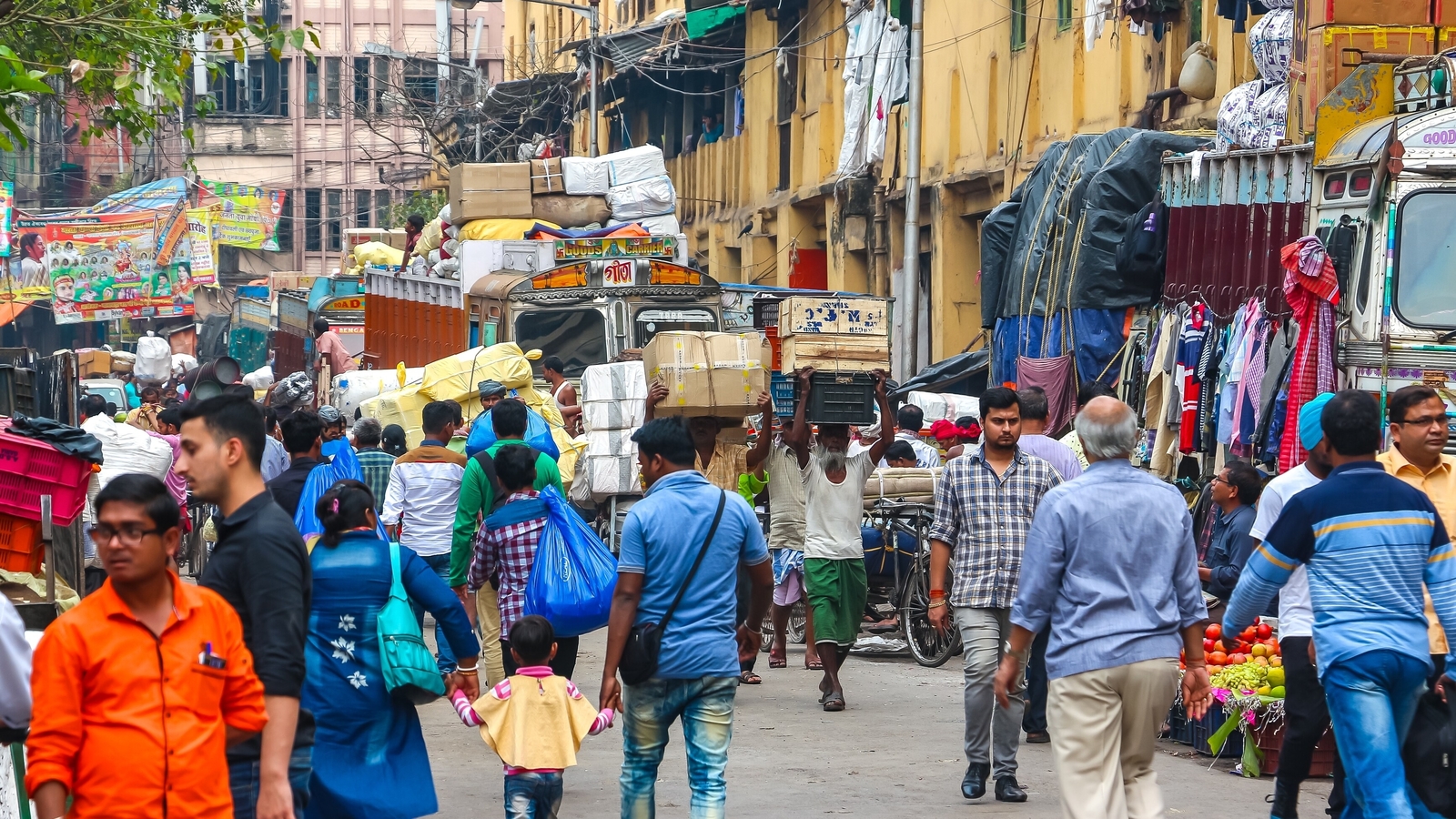
After a tense 40-hour standoff, the chairman of the Staff Selection Commission (SSC) was finally allowed to leave his office. He had been confined within the building by a group of protesting job seekers demanding resolution to their employment concerns. The protest, a dramatic display of frustration and desperation, highlights the growing anxieties surrounding unemployment and the pressure on government agencies to deliver on job creation promises.
The gherao, a form of protest where demonstrators surround a building preventing anyone from entering or leaving, began two days prior. The protesters, primarily composed of individuals who had appeared for various SSC examinations, voiced their concerns regarding alleged irregularities in the examination process, delays in result declarations, and the scarcity of available government jobs. Their demands included a transparent investigation into the alleged irregularities, expedited release of pending results, and an increase in government vacancies. The atmosphere outside the SSC office was charged with tension as the protesters, holding banners and chanting slogans, made their demands heard.
The extended confinement of the SSC chairman brought the issue into sharp focus, attracting significant media attention and public debate. The protest underscored the plight of educated youth struggling to secure employment in a competitive job market. It also exposed the mounting pressure on institutions like the SSC, responsible for recruiting candidates for various government positions. The situation became a symbolic representation of the wider unemployment crisis faced by many countries and the desperation of individuals seeking secure livelihoods.
Negotiations between the protesters and government officials continued throughout the gherao. While initial discussions proved fruitless, a breakthrough was finally achieved after extended deliberations and assurances from authorities to address the protesters concerns. The agreement included the formation of a committee to investigate the alleged examination irregularities, a commitment to expedite the release of pending results within a specified timeframe, and a promise to explore possibilities for increasing government job vacancies.
Following the agreement, the protesters decided to lift the gherao, allowing the SSC chairman to finally leave his office. While the immediate crisis was averted, the underlying issues remain. The protest serves as a stark reminder of the challenges faced by job seekers and the need for governments to address the concerns of the unemployed. The incidents long-term impact remains to be seen, but it has undoubtedly brought the issue of unemployment to the forefront of public discourse. The next crucial step will be the government's follow-through on its promises and the effectiveness of the measures taken to address the protesters' concerns. Only then can a lasting solution be achieved and the anxieties of the unemployed truly be alleviated.
Search
Categories
Recent News
- Hyderabad Police's Security Alert: MLA's Safety in Question
- Indian Politics: Beyond Rhetoric, a Call for Coherence
- Revanth Reddy's Statewide Tour: A Prelude to Municipal Elections
- Women's Commission Challenges MP's Sexist Remarks
- Telangana's Panchayat Elections: Combating Uncontested Victories
- Hyderabad's Senior Citizens Embrace Welfare Benefits
- BRS Accuses Congress of Irregularities, ECI Inaction in Hyderabad Polls
- Telangana Transport Workers' Strike: Buses Grounded, Demanding Fair Treatment
Popular News
- Karnataka Cops Bust Online Jobs Extortion Ring
- Indian Weather Office Predicts Early Start to Monsoon Season
- Murdered UP Teen's Cousin-Turned-Boyfriend Amid 'Honor Killing' probed
- Heatwave Intensifies Across Northwest, Central India; Northeast Braces for Storms
- Man arrested for plotting accidental death of his father