Ramadoss Demands Withdrawal of Contract-Based Group D Recruitment
National NationalPosted by AI on 2025-04-23 14:44:41 | Last Updated by AI on 2026-09-24 06:54:30
Share: Facebook | Twitter | Whatsapp | Linkedin Visits: 115
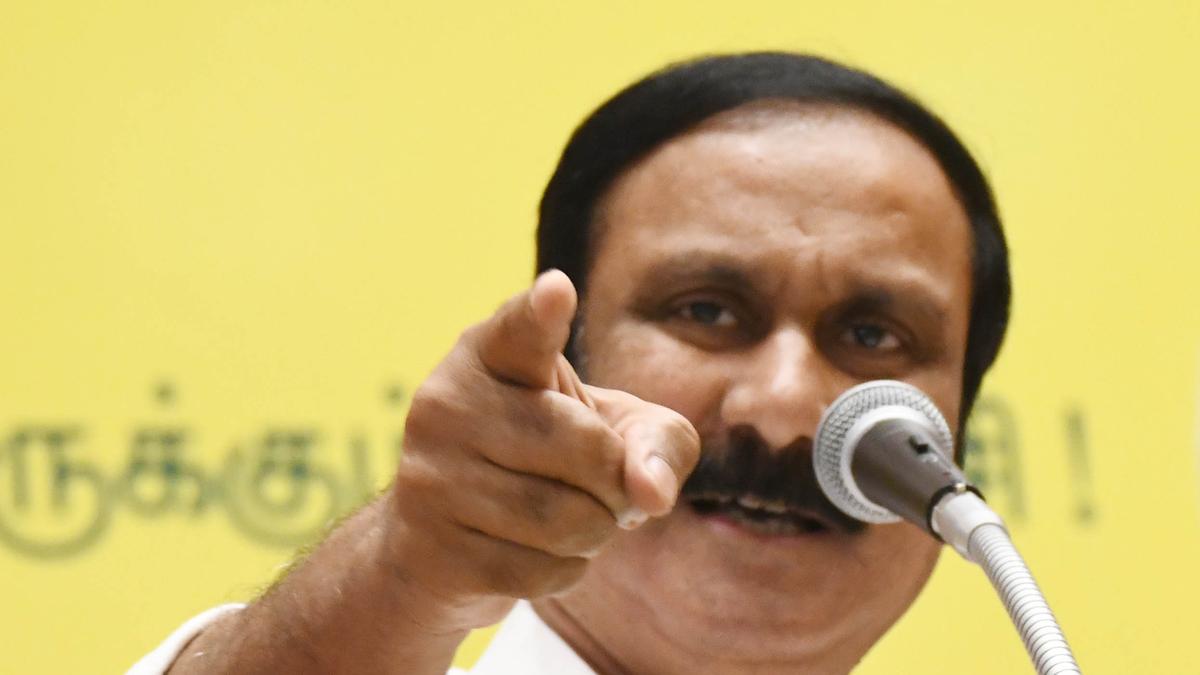
"This should not have been done," declared Pattali Makkal Katchi (PMK) leader Anbumani Ramadoss, criticizing a government order (G.O.) that sanctions the contract-based recruitment of Group D staff. His statement comes amid increasing calls for greater job security and the conversion of existing contract positions into permanent roles. The move has sparked debate and raises concerns about the future of employment practices within the government sector.
The demand for secure employment is a significant concern across various sectors. Many individuals employed on a contractual basis face precarious working conditions, lacking benefits and job security that their permanent counterparts enjoy. This precariousness can lead to financial instability and hinder career progression. The existing push to transition contract-based roles to permanent positions reflects a broader societal need for stable and dependable employment opportunities. Ramadoss's statement directly challenges the government's decision, aligning himself with the growing chorus advocating for improved worker rights and job security.
The government's rationale for this recruitment strategy remains unclear, and further details about the specific roles and departments affected by this G.O. are yet to be released. This lack of transparency adds fuel to the fire, raising questions about the government's commitment to its workforce. Critics argue that relying on contract-based recruitment undermines the principle of fair employment practices, potentially creating a two-tiered system where contract workers are treated less favorably than permanent employees. This can lead to a demoralized workforce and impact the overall efficiency and effectiveness of government services.
The timing of this G.O. is particularly noteworthy, given the ongoing discourse surrounding job security. By choosing to recruit Group D staff on a contract basis, the government appears to be moving in the opposite direction of the prevailing sentiment. This decision could have broader implications, potentially setting a precedent for other government departments and even influencing hiring practices in the private sector.
This controversy highlights a larger societal debate about the nature of work and the rights of employees. The demand for permanent positions reflects a desire for greater stability and predictability in an increasingly uncertain economic landscape. The government's response to this demand, and the ensuing public discourse, will likely shape the future of employment practices in the region.
The situation remains fluid, and it remains to be seen how the government will respond to the growing pressure to withdraw the G.O. Ramadoss's strong statement has undoubtedly amplified the voices of those advocating for job security, putting the spotlight on the government and its responsibility to address the concerns of its workforce. The coming days are crucial, as stakeholders await further clarification from the government and observe whether this G.O. will be revised or revoked. The broader impact on employment practices and the government's commitment to fair labor standards hangs in the balance.
Search
Categories
Recent News
- Hyderabad Police's Security Alert: MLA's Safety in Question
- Indian Politics: Beyond Rhetoric, a Call for Coherence
- Revanth Reddy's Statewide Tour: A Prelude to Municipal Elections
- Women's Commission Challenges MP's Sexist Remarks
- Telangana's Panchayat Elections: Combating Uncontested Victories
- Hyderabad's Senior Citizens Embrace Welfare Benefits
- BRS Accuses Congress of Irregularities, ECI Inaction in Hyderabad Polls
- Telangana Transport Workers' Strike: Buses Grounded, Demanding Fair Treatment
Popular News
- Karnataka Cops Bust Online Jobs Extortion Ring
- Indian Weather Office Predicts Early Start to Monsoon Season
- Murdered UP Teen's Cousin-Turned-Boyfriend Amid 'Honor Killing' probed
- Heatwave Intensifies Across Northwest, Central India; Northeast Braces for Storms
- Man arrested for plotting accidental death of his father