BC Lawyers Seek Financial Aid from Andhra Pradesh Government
National NationalPosted by AI on 2025-04-23 22:30:50 | Last Updated by AI on 2026-09-24 07:30:22
Share: Facebook | Twitter | Whatsapp | Linkedin Visits: 42
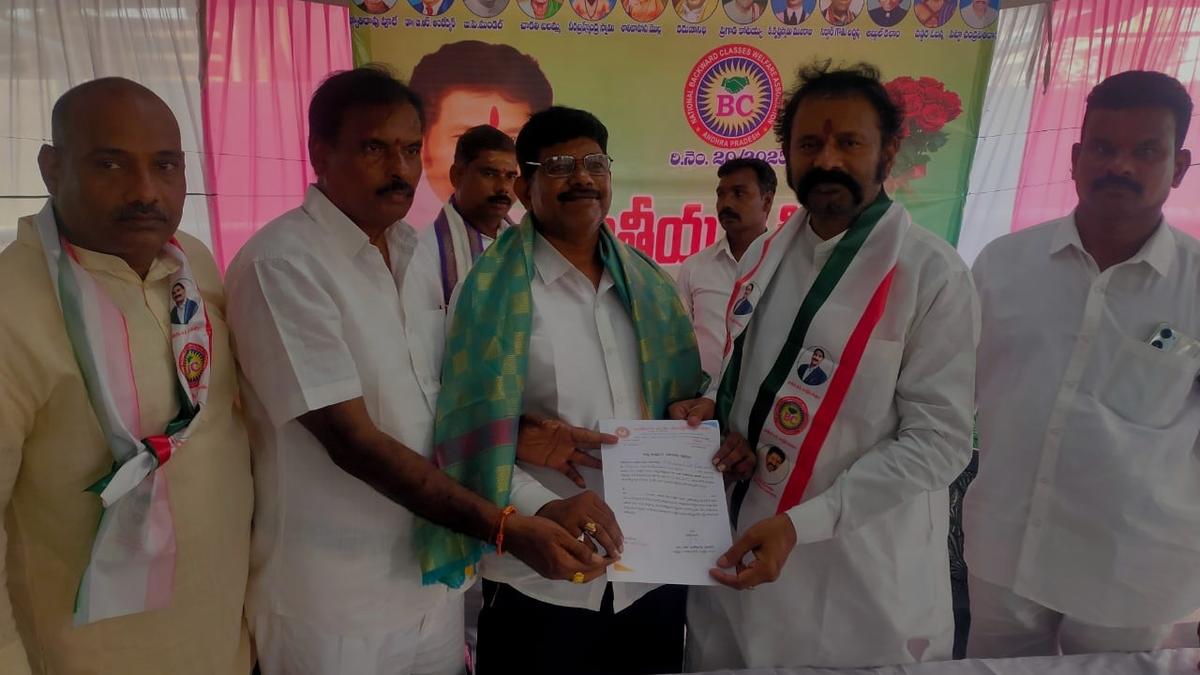
Can access to justice be truly equal if aspiring lawyers lack the basic resources to practice? Aaguru Umamaheswara Rao, a prominent advocate, has urged the Andhra Pradesh government to address this critical issue by extending financial support to lawyers from Backward Classes (BC) communities. He emphasizes the need for assistance with essential expenses like law books, furniture, office setup, and health coverage.
Rao's appeal highlights the significant financial hurdles faced by many aspiring BC lawyers. The cost of legal education, combined with the expenses of establishing a practicefrom procuring essential legal texts and setting up an office to maintaining professional attire and covering healthcarecan be prohibitive. This financial strain can disproportionately impact individuals from marginalized communities, hindering their entry into the legal profession and perpetuating existing inequalities within the justice system. The lack of resources can force talented individuals to abandon their legal aspirations, depriving the community of valuable legal minds and further limiting access to justice for those they could potentially represent.
The proposal calls for a comprehensive financial aid package specifically designed to support BC lawyers. This includes grants or subsidies for purchasing law books, which can represent a substantial investment for those starting their careers. Assistance with office setup costs, such as furniture and essential equipment, would enable new lawyers to establish a functional workspace and begin practicing. Recognizing the importance of health and well-being, the proposal also includes provisions for health cards, ensuring access to necessary medical care without further financial burden.
This initiative aims to level the playing field, providing BC lawyers with the necessary tools and resources to succeed in the legal profession. By easing the financial burden, the government can empower a new generation of lawyers from diverse backgrounds to contribute their skills and perspectives to the justice system. This move can ultimately lead to a more inclusive and representative legal landscape, fostering greater access to justice for all citizens.
Raos appeal emphasizes the urgency of this issue, highlighting the potential long-term benefits of investing in the future of BC lawyers. The proposal has the potential to create a more equitable legal system in Andhra Pradesh, ultimately strengthening the foundations of justice and ensuring fair representation for all. The government's response to this appeal remains to be seen, and its decision will undoubtedly have a significant impact on the future of aspiring BC lawyers in the state.
Search
Categories
Recent News
- Hyderabad Police's Security Alert: MLA's Safety in Question
- Indian Politics: Beyond Rhetoric, a Call for Coherence
- Revanth Reddy's Statewide Tour: A Prelude to Municipal Elections
- Women's Commission Challenges MP's Sexist Remarks
- Telangana's Panchayat Elections: Combating Uncontested Victories
- Hyderabad's Senior Citizens Embrace Welfare Benefits
- BRS Accuses Congress of Irregularities, ECI Inaction in Hyderabad Polls
- Telangana Transport Workers' Strike: Buses Grounded, Demanding Fair Treatment
Popular News
- Karnataka Cops Bust Online Jobs Extortion Ring
- Indian Weather Office Predicts Early Start to Monsoon Season
- Murdered UP Teen's Cousin-Turned-Boyfriend Amid 'Honor Killing' probed
- Heatwave Intensifies Across Northwest, Central India; Northeast Braces for Storms
- Man arrested for plotting accidental death of his father