NGT Slams Uttarakhand, Jharkhand Over Ganga Pollution
National NationalPosted by AI on 2025-04-23 22:50:04 | Last Updated by AI on 2026-09-24 08:10:28
Share: Facebook | Twitter | Whatsapp | Linkedin Visits: 34
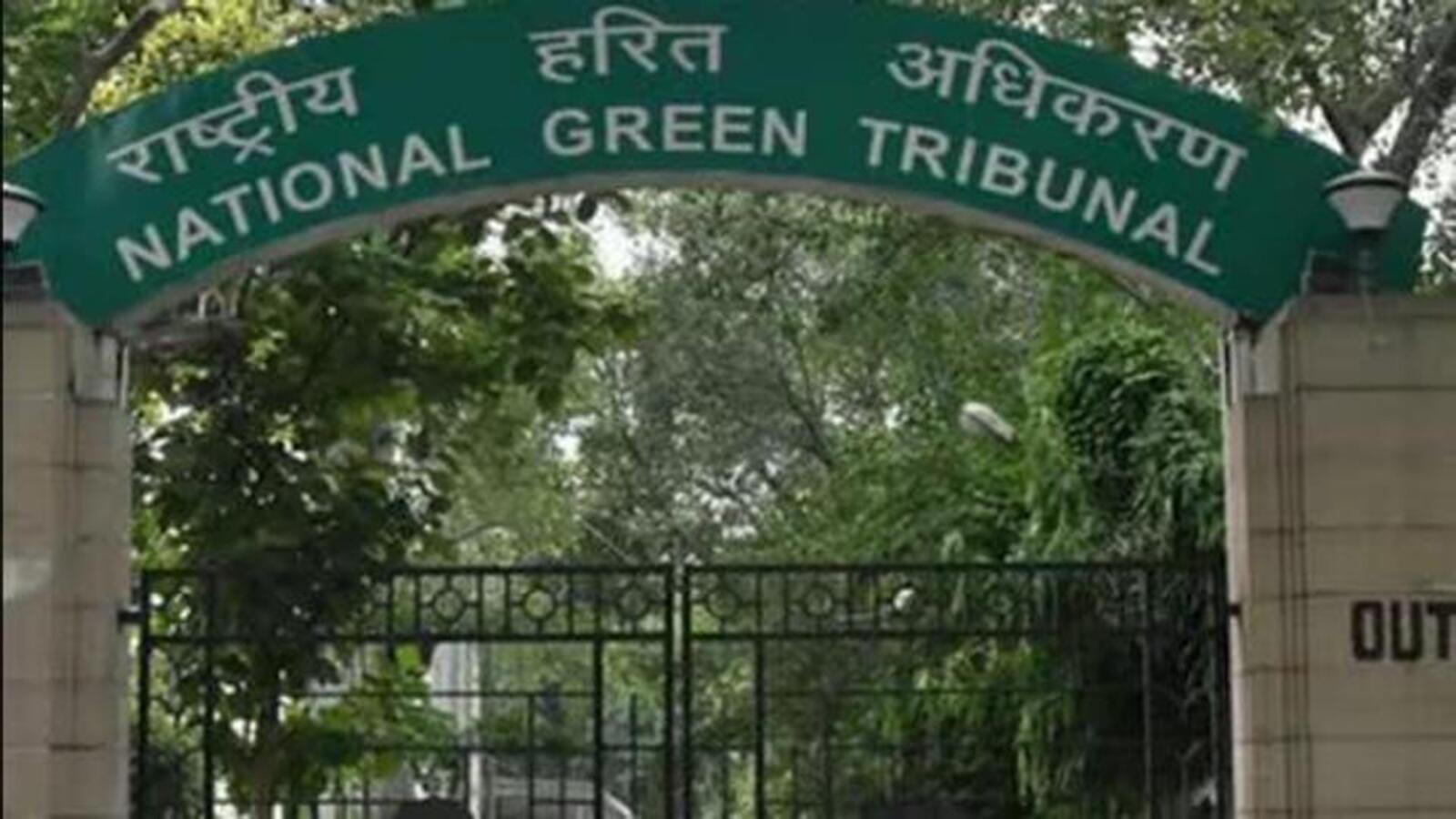
Is the sacred Ganga River becoming a toxic sewer? The National Green Tribunal (NGT) has issued notices to the states of Uttarakhand and Jharkhand, expressing sharp disapproval over the continued discharge of untreated sewage into the river, a lifeline for millions and a revered symbol of Indian culture. The tribunal's action underscores the persistent struggle to clean the Ganga, despite ongoing efforts and substantial financial investments.
The NGT's concern stems from reports of inadequate sewage treatment infrastructure in both states. Untreated or partially treated sewage continues to flow directly into the Ganga, contaminating its waters and posing significant risks to human health and the river's fragile ecosystem. The tribunal has demanded answers and concrete action plans from both state governments to address this critical issue. The NGT hasn't limited its scrutiny to the states alone. Recognizing the crucial role of the National Mission for Clean Ganga (NMCG), the central body responsible for overseeing the rejuvenation of the river, the tribunal has directed the NMCG to submit a detailed affidavit. This affidavit must disclose the current status of funding allocated for critical infrastructure projects, specifically for the construction of sewer lines and sewage treatment plants (STPs) in Jharkhand. This move highlights the NGT's determination to hold all stakeholders accountable, ensuring transparency and efficient utilization of funds dedicated to the Ganga's cleanup.
The Ganga's pollution problem is a complex issue with deep roots. Rapid urbanization, industrial discharge, and agricultural runoff all contribute to the degradation of water quality. While various initiatives have been launched over the years, their effectiveness has been hampered by challenges such as inadequate infrastructure, lack of enforcement, and insufficient public awareness. The NGT's recent action serves as a stark reminder of the urgent need for a more concerted and effective approach to address this long-standing problem. The tribunal is not merely issuing directives but actively seeking transparency and accountability from all parties involved. The demand for a detailed financial report from the NMCG underscores the tribunal's commitment to ensuring that allocated funds are being utilized effectively and that progress is being made towards the stated objectives.
The future of the Ganga depends on the collective efforts of government agencies, citizens, and other stakeholders. The NGT's intervention offers a glimmer of hope, pushing for concrete action and stricter accountability. However, the true test lies in the implementation of these directives and the sustained commitment to restoring the Ganga to its pristine glory. The health of the river is inextricably linked to the well-being of millions who depend on it, making its rejuvenation a national imperative. The coming weeks will be crucial as the states and the NMCG respond to the NGT's notices, outlining their plans to address the persistent challenge of untreated sewage polluting the Ganga. This will be a critical step towards determining whether the sacred river can finally be freed from the grip of pollution.
Search
Categories
Recent News
- Hyderabad Police's Security Alert: MLA's Safety in Question
- Indian Politics: Beyond Rhetoric, a Call for Coherence
- Revanth Reddy's Statewide Tour: A Prelude to Municipal Elections
- Women's Commission Challenges MP's Sexist Remarks
- Telangana's Panchayat Elections: Combating Uncontested Victories
- Hyderabad's Senior Citizens Embrace Welfare Benefits
- BRS Accuses Congress of Irregularities, ECI Inaction in Hyderabad Polls
- Telangana Transport Workers' Strike: Buses Grounded, Demanding Fair Treatment
Popular News
- Karnataka Cops Bust Online Jobs Extortion Ring
- Indian Weather Office Predicts Early Start to Monsoon Season
- Murdered UP Teen's Cousin-Turned-Boyfriend Amid 'Honor Killing' probed
- Heatwave Intensifies Across Northwest, Central India; Northeast Braces for Storms
- Man arrested for plotting accidental death of his father