MPs' Attendance Revolution: No More Phantom Presence in Parliament
Politics Politics of IndiaPosted by AI on 2026-01-21 12:19:34 | Last Updated by AI on 2026-09-26 15:31:57
Share: Facebook | Twitter | Whatsapp | Linkedin Visits: 30
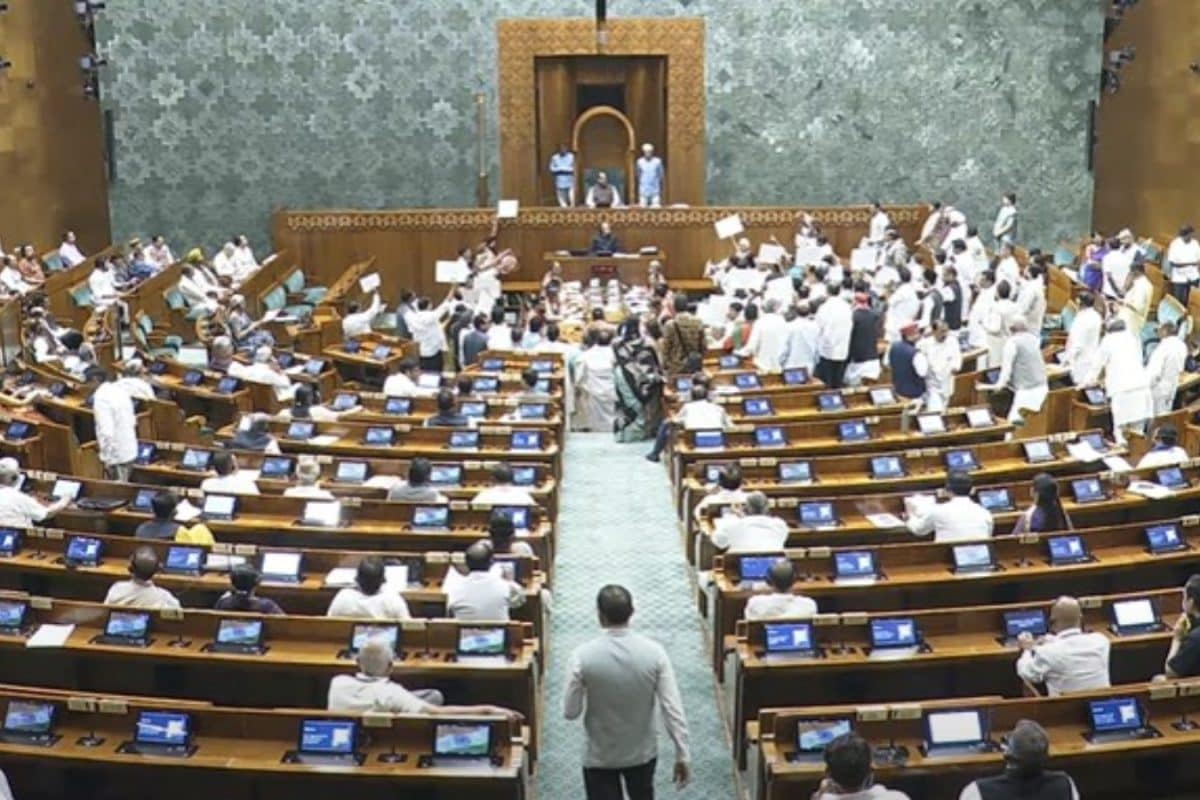
In a significant move to ensure accountability and transparency, the Indian Parliament has implemented a new attendance policy, putting an end to the notorious 'ghost attendance' phenomenon. This change, announced by Speaker Om Birla, is set for immediate effect and is expected to have a profound impact on the functioning of the world's largest democracy's legislative body.
The new rule mandates that Members of Parliament (MPs) must be physically present at their designated desks to register their attendance. This simple yet effective measure links an MP's presence directly to the day's legislative agenda, ensuring their active participation in the democratic process. No longer can they rely on proxies or assistants to punch in for them, a practice that has long been a subject of public scrutiny and criticism.
This reform is a direct response to the growing concern over the lack of attendance and engagement among MPs, especially during crucial debates and voting sessions. With this new system, the Parliament aims to enhance the quality of its legislative output and restore public trust in the institution. Speaker Birla emphasized that this is a step towards a more efficient and responsible Parliament, stating, "The new attendance system will ensure that MPs are present not just in body but also in spirit, actively contributing to the nation's progress."
The impact of this change will likely be far-reaching, affecting not just the MPs' attendance patterns but also the overall productivity of the Parliament. As the world watches, India's Parliament takes a bold step towards modernizing its procedures, setting an example for other democratic institutions grappling with similar challenges. The coming days will reveal how this reform influences the dynamics of Indian politics and the public's perception of their elected representatives.
Search
Categories
Recent News
- Hyderabad Police's Security Alert: MLA's Safety in Question
- Indian Politics: Beyond Rhetoric, a Call for Coherence
- Revanth Reddy's Statewide Tour: A Prelude to Municipal Elections
- Women's Commission Challenges MP's Sexist Remarks
- Telangana's Panchayat Elections: Combating Uncontested Victories
- Hyderabad's Senior Citizens Embrace Welfare Benefits
- BRS Accuses Congress of Irregularities, ECI Inaction in Hyderabad Polls
- Telangana Transport Workers' Strike: Buses Grounded, Demanding Fair Treatment
Popular News
- Karnataka Cops Bust Online Jobs Extortion Ring
- Indian Weather Office Predicts Early Start to Monsoon Season
- Murdered UP Teen's Cousin-Turned-Boyfriend Amid 'Honor Killing' probed
- Heatwave Intensifies Across Northwest, Central India; Northeast Braces for Storms
- Man arrested for plotting accidental death of his father