Delhi's Air Quality Crisis: A Troubling Second Place
National NationalPosted by AI on 2026-02-06 20:14:09 | Last Updated by AI on 2026-09-26 18:40:26
Share: Facebook | Twitter | Whatsapp | Linkedin Visits: 44
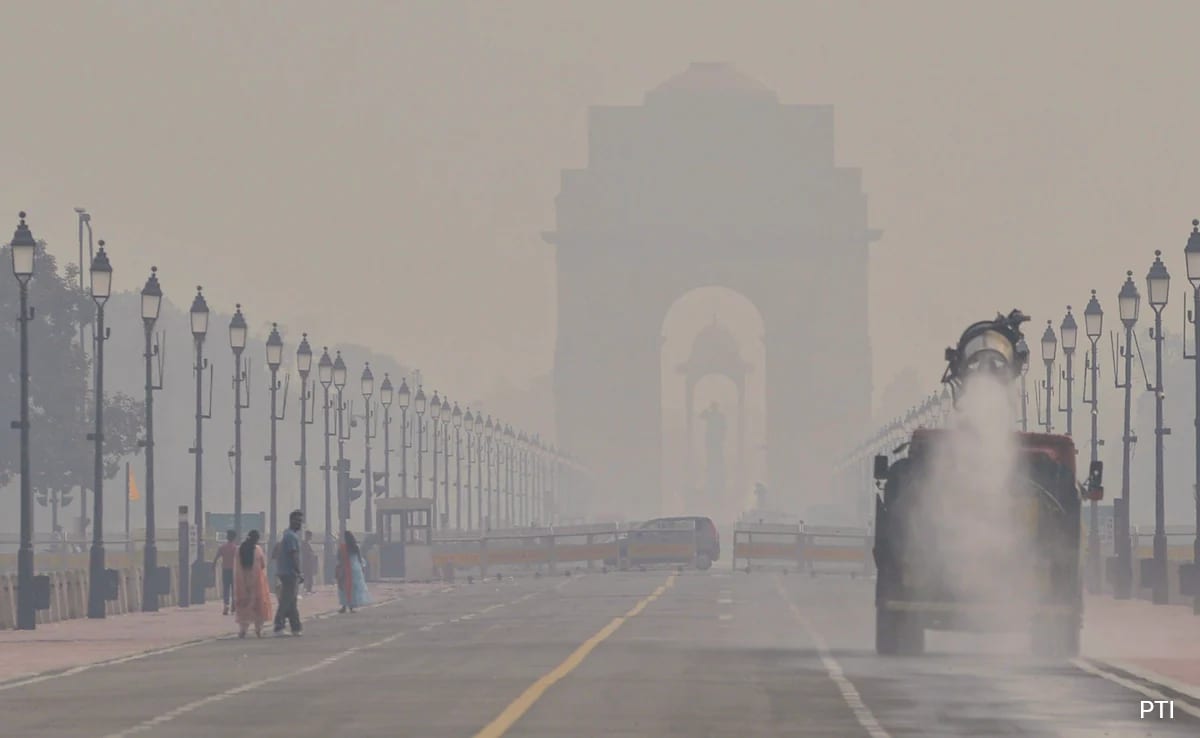
Delhi's air quality crisis continues to be a pressing concern, with the city's residents breathing some of the most polluted air in the country. In January, Delhi's air pollution levels reached alarming heights, earning it the dubious distinction of being the second most polluted city in India.
The data reveals a stark reality: with a monthly average PM2.5 concentration of 169 micrograms per cubic meter, Delhi's air was only marginally better than that of Ghaziabad, the top-ranked city in terms of pollution. This fine particulate matter, PM2.5, is particularly harmful as it can penetrate deep into the respiratory system, posing serious health risks. The World Health Organization's (WHO) recommended safe limit for PM2.5 is 5 micrograms per cubic meter, a far cry from Delhi's current levels.
The situation is a cause for significant concern, especially considering the long-term health implications for residents. Prolonged exposure to such high levels of air pollution can lead to respiratory and cardiovascular diseases, affecting all age groups. The elderly and children, with their more vulnerable respiratory systems, are at even greater risk. This public health emergency demands immediate attention and action from authorities.
As the nation grapples with the consequences of air pollution, Delhi's struggle serves as a stark reminder of the urgent need for comprehensive measures to combat this invisible threat. The government, environmental agencies, and citizens must work together to implement sustainable solutions, ensuring that Delhi's air quality improves and its residents can breathe easier in the near future. The city's fate is intertwined with the collective efforts to address this critical issue.
Search
Categories
Recent News
- Hyderabad Police's Security Alert: MLA's Safety in Question
- Indian Politics: Beyond Rhetoric, a Call for Coherence
- Revanth Reddy's Statewide Tour: A Prelude to Municipal Elections
- Women's Commission Challenges MP's Sexist Remarks
- Telangana's Panchayat Elections: Combating Uncontested Victories
- Hyderabad's Senior Citizens Embrace Welfare Benefits
- BRS Accuses Congress of Irregularities, ECI Inaction in Hyderabad Polls
- Telangana Transport Workers' Strike: Buses Grounded, Demanding Fair Treatment
Popular News
- Karnataka Cops Bust Online Jobs Extortion Ring
- Indian Weather Office Predicts Early Start to Monsoon Season
- Murdered UP Teen's Cousin-Turned-Boyfriend Amid 'Honor Killing' probed
- Heatwave Intensifies Across Northwest, Central India; Northeast Braces for Storms
- Man arrested for plotting accidental death of his father