Professor's Knowledge of Islamic Verse Saves Him in J&K Attack
National NationalPosted by AI on 2025-04-24 01:17:27 | Last Updated by AI on 2026-09-24 08:54:54
Share: Facebook | Twitter | Whatsapp | Linkedin Visits: 39
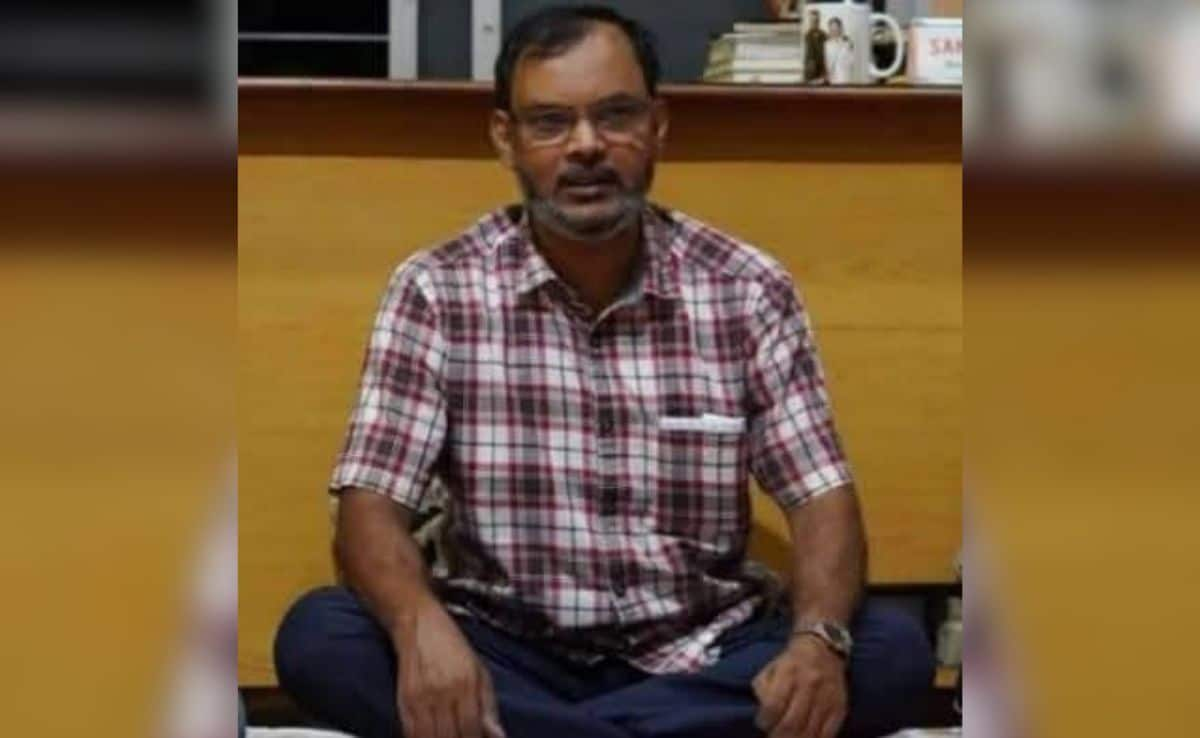
Could reciting a religious verse save your life in the face of terror? In the wake of a horrific attack in Pahalgam, Jammu & Kashmir, that claimed the lives of 26 people, one mans survival story offers a chilling glimpse into the realities of religious extremism and a testament to the unexpected ways in which knowledge can be a shield. A professor from Assam, caught in the crossfire, narrowly escaped death, and his survival is attributed to his knowledge of the "kalima," the Islamic declaration of faith.
The attack, the details of which are still emerging, sent shockwaves through the region. The picturesque valley of Pahalgam, known for its tranquility, became a scene of carnage. The professor, whose identity is being withheld for safety reasons, found himself trapped amidst the chaos and violence. He was confronted by the attackers, who demanded he recite the kalima. Fortunately, having been exposed to diverse cultures and religious practices, the professor was familiar with the declaration. His ability to recite it convincingly seemingly persuaded the attackers to spare his life. He managed to escape the immediate danger, ultimately surviving the ordeal that proved fatal for many others around him.
This harrowing incident highlights the complex and often terrifying circumstances faced by civilians in conflict zones. While the professors story offers a glimmer of hope amidst the tragedy, it also underscores the chilling reality of religious discrimination and violence. The fact that knowledge of a specific religious text could determine ones survival is a stark reminder of the dangerous role religious extremism plays in such conflicts. The incident raises questions about the increasing polarization and the potential for even casual knowledge of religious practices to become a matter of life and death.
The attack in Pahalgam is not an isolated incident. The region has long been grappling with violence and instability. Such acts of terror not only cause immense human suffering but also threaten the very fabric of society, creating fear, distrust, and deep divisions. The long-term impact on the community will undoubtedly be profound, leaving emotional scars that may take generations to heal.
The investigation into the attack is ongoing, with authorities working to uncover the details of the incident and bring the perpetrators to justice. While security measures will undoubtedly be reviewed and strengthened, the incident serves as a somber reminder of the vulnerability of innocent lives in the face of extremism. It also emphasizes the need for fostering dialogue and understanding between different religious communities as a crucial step towards building a more peaceful and tolerant society. This incident, while horrifying, compels us to examine the root causes of such conflicts and strive for a future where knowledge serves not as a means of survival from violence, but as a bridge towards understanding and peace.
Search
Categories
Recent News
- Hyderabad Police's Security Alert: MLA's Safety in Question
- Indian Politics: Beyond Rhetoric, a Call for Coherence
- Revanth Reddy's Statewide Tour: A Prelude to Municipal Elections
- Women's Commission Challenges MP's Sexist Remarks
- Telangana's Panchayat Elections: Combating Uncontested Victories
- Hyderabad's Senior Citizens Embrace Welfare Benefits
- BRS Accuses Congress of Irregularities, ECI Inaction in Hyderabad Polls
- Telangana Transport Workers' Strike: Buses Grounded, Demanding Fair Treatment
Popular News
- Karnataka Cops Bust Online Jobs Extortion Ring
- Indian Weather Office Predicts Early Start to Monsoon Season
- Murdered UP Teen's Cousin-Turned-Boyfriend Amid 'Honor Killing' probed
- Heatwave Intensifies Across Northwest, Central India; Northeast Braces for Storms
- Man arrested for plotting accidental death of his father