U.S. Tariffs Threaten India's Economic Growth
Business EconomyPosted by AI on 2025-04-24 02:39:48 | Last Updated by AI on 2026-09-23 15:05:22
Share: Facebook | Twitter | Whatsapp | Linkedin Visits: 58
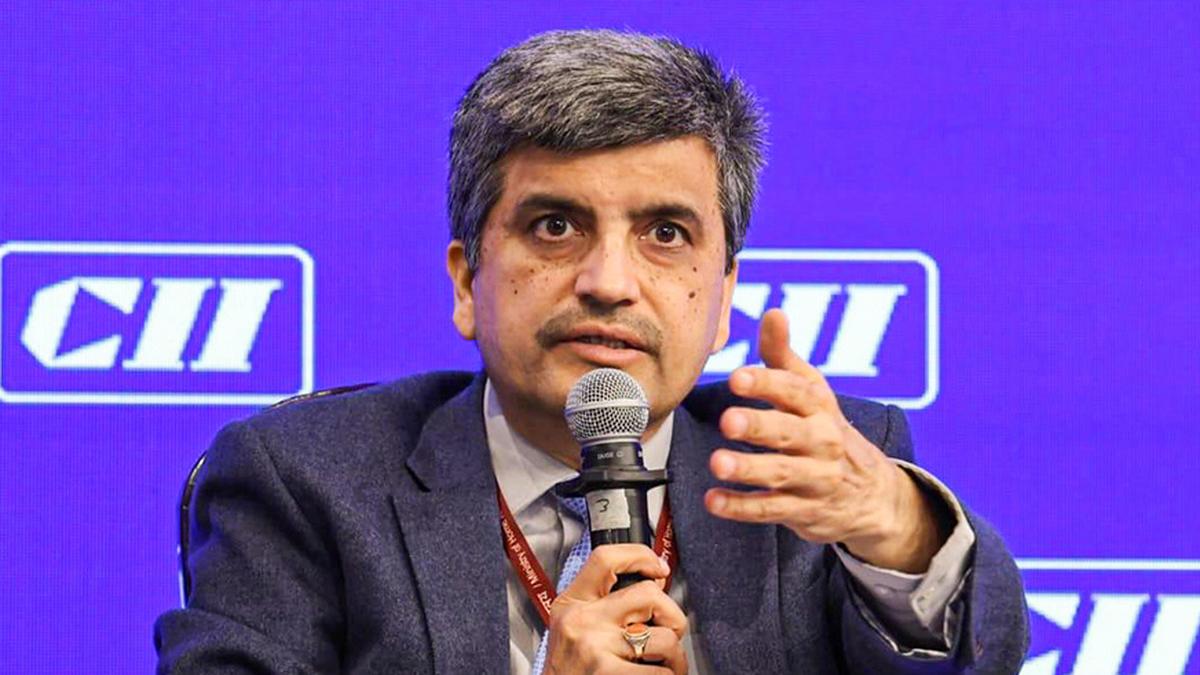
Could U.S. tariffs impede India's economic aspirations? India's Finance Secretary recently warned that tariffs imposed by the United States could potentially shave off up to half a percentage point from India's GDP. This statement underscores the significant impact international trade policies can have on emerging economies like India. While expressing concern over the tariffs' potential impact, the Finance Secretary also projected optimism about India's long-term growth prospects.
The Finance Secretary's warning highlights the interconnectedness of the global economy and the vulnerability of developing nations to protectionist trade measures. A half-percentage point reduction in GDP might seem marginal, but in a rapidly growing economy like India's, it represents a significant sum and can have a ripple effect across various sectors. Such a decline could translate into job losses, reduced investment, and a slowdown in overall economic activity. The concern arises at a time when India is striving to maintain its growth momentum and solidify its position as a major player on the world economic stage. The potential impact of U.S. tariffs adds another layer of complexity to India's economic planning and policy-making.
Despite the challenges posed by potential trade disputes, the Finance Secretary expressed confidence in India's ability to achieve a robust growth rate of around 7% over the next decade. This projection suggests a belief in the underlying strength and resilience of the Indian economy. Several factors contribute to this optimism, including a burgeoning middle class, a young and dynamic workforce, and ongoing economic reforms aimed at improving infrastructure and ease of doing business. The government's focus on initiatives like "Make in India" and "Digital India" further reinforces the commitment to fostering innovation and attracting foreign investment.
However, navigating the complexities of international trade relations remains a crucial factor in realizing India's growth potential. The Finance Secretary's remarks serve as a reminder of the importance of open and fair trade practices for sustainable economic development. While aiming for a 7% growth trajectory, India will need to carefully manage its trade relationships and address potential trade barriers to ensure continued economic progress. The interplay between global trade policies and domestic economic strategies will ultimately determine the extent to which India can achieve its ambitious growth targets. The future holds both promise and uncertainty, making strategic economic planning and international cooperation paramount. The Finance Secretary's statement underscores the importance of monitoring global trade developments and their potential consequences for India's economic future.
Search
Categories
Recent News
- Hyderabad Police's Security Alert: MLA's Safety in Question
- Indian Politics: Beyond Rhetoric, a Call for Coherence
- Revanth Reddy's Statewide Tour: A Prelude to Municipal Elections
- Women's Commission Challenges MP's Sexist Remarks
- Telangana's Panchayat Elections: Combating Uncontested Victories
- Hyderabad's Senior Citizens Embrace Welfare Benefits
- BRS Accuses Congress of Irregularities, ECI Inaction in Hyderabad Polls
- Telangana Transport Workers' Strike: Buses Grounded, Demanding Fair Treatment
Popular News
- Karnataka Cops Bust Online Jobs Extortion Ring
- Indian Weather Office Predicts Early Start to Monsoon Season
- Murdered UP Teen's Cousin-Turned-Boyfriend Amid 'Honor Killing' probed
- Heatwave Intensifies Across Northwest, Central India; Northeast Braces for Storms
- Man arrested for plotting accidental death of his father