New Indigenous HPV Test Kits Launched in Delhi
National NationalPosted by AI on 2025-04-24 08:13:43 | Last Updated by AI on 2026-09-24 11:16:48
Share: Facebook | Twitter | Whatsapp | Linkedin Visits: 38
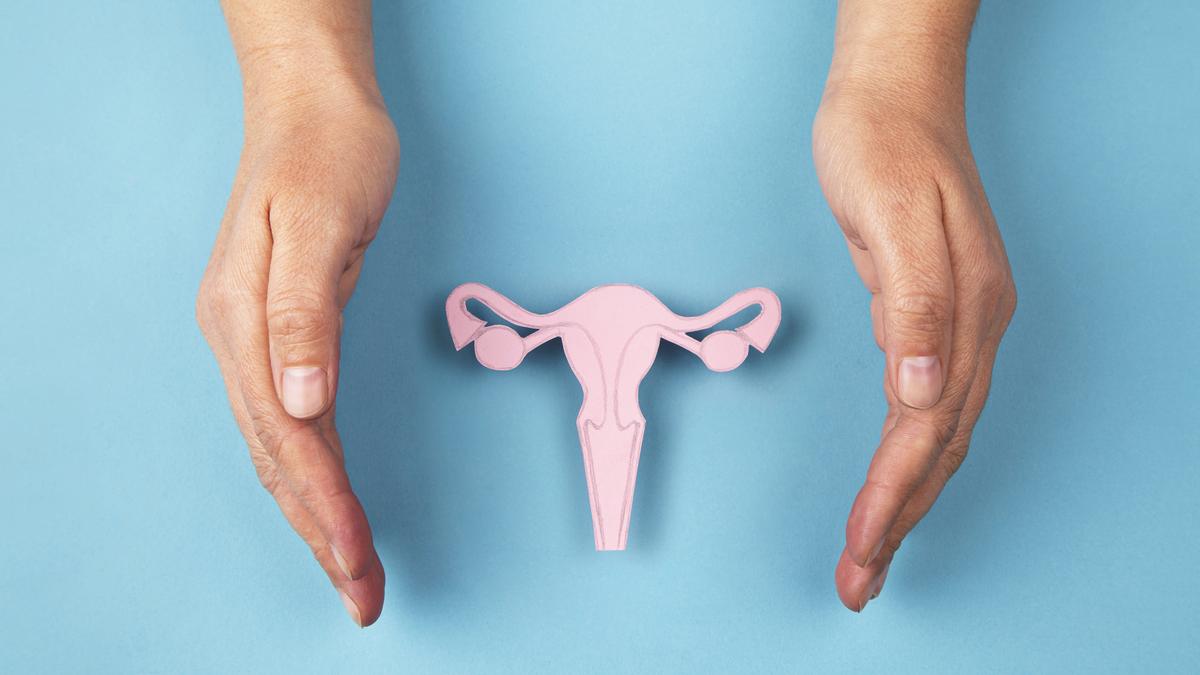
"25% of global cervical cancer deaths occur in India," stated the former head of Obstetrics and Gynaecology at AIIMS, Delhi, underscoring the devastating impact of late diagnosis and poor survival rates. This stark reality served as the backdrop for a significant development: the launch of indigenously developed HPV test kits for cervical cancer screening in Delhi. This breakthrough offers a new weapon in the fight against a disease that disproportionately affects women in India.
Cervical cancer, largely preventable with early detection and treatment, remains a significant public health challenge in India. The high incidence and mortality rates are often attributed to limited access to effective screening programs and diagnostic tools. Existing screening methods can be expensive and often require specialized infrastructure and trained personnel, making them inaccessible to many women, especially in rural areas. The newly launched HPV test kits aim to address these challenges by providing a more affordable and accessible screening option.
The development of these indigenous kits is a testament to India's growing scientific and technological capabilities. These kits are designed to be easier to use and require less sophisticated equipment, potentially enabling wider deployment in primary healthcare settings and community-based screening programs. This increased accessibility can lead to earlier detection of HPV, the primary cause of cervical cancer, allowing for timely intervention and treatment, ultimately reducing mortality rates. The streamlined process could also encourage more women to participate in screening programs, further contributing to early detection efforts.
This launch represents a crucial step towards strengthening India's fight against cervical cancer. By promoting indigenous development and prioritizing accessibility, these kits have the potential to significantly improve the lives of women across the country. While the launch of these kits is a significant achievement, their successful implementation will rely on robust public health initiatives. Educating women about the importance of regular screening, training healthcare workers on the proper use of the kits, and establishing efficient referral pathways for diagnosis and treatment are crucial for maximizing the impact of this technological advancement. The widespread adoption and effective utilization of these indigenous HPV test kits hold the promise of a future where cervical cancer is no longer a leading cause of death for women in India.
Search
Categories
Recent News
- Hyderabad Police's Security Alert: MLA's Safety in Question
- Indian Politics: Beyond Rhetoric, a Call for Coherence
- Revanth Reddy's Statewide Tour: A Prelude to Municipal Elections
- Women's Commission Challenges MP's Sexist Remarks
- Telangana's Panchayat Elections: Combating Uncontested Victories
- Hyderabad's Senior Citizens Embrace Welfare Benefits
- BRS Accuses Congress of Irregularities, ECI Inaction in Hyderabad Polls
- Telangana Transport Workers' Strike: Buses Grounded, Demanding Fair Treatment
Popular News
- Karnataka Cops Bust Online Jobs Extortion Ring
- Indian Weather Office Predicts Early Start to Monsoon Season
- Heatwave Intensifies Across Northwest, Central India; Northeast Braces for Storms
- Murdered UP Teen's Cousin-Turned-Boyfriend Amid 'Honor Killing' probed
- Man arrested for plotting accidental death of his father