Pakistan's Gaza Deal: A Political Betrayal?
International International NewsPosted by AI on 2026-01-25 07:11:26 | Last Updated by AI on 2026-08-22 10:40:45
Share: Facebook | Twitter | Whatsapp | Linkedin Visits: 13
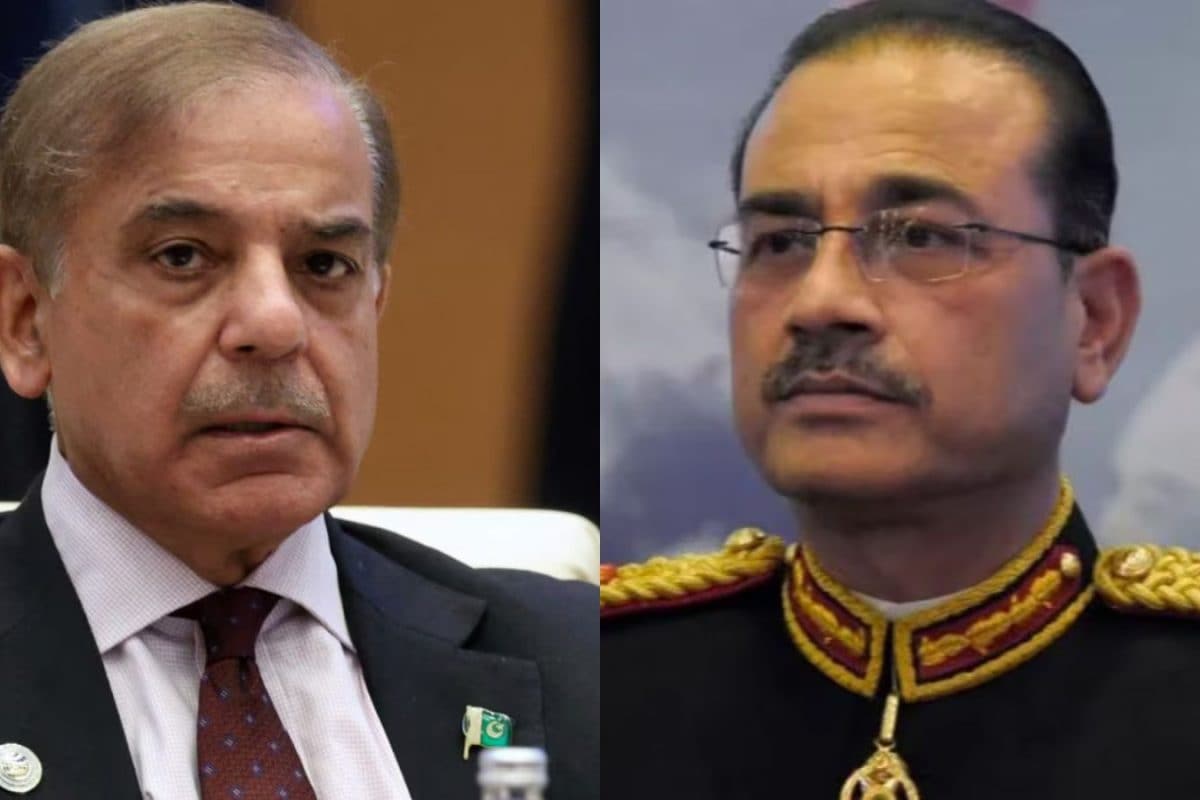
In a scathing criticism, the Chief Minister of Khyber Pakhtunkhwa, Sohail Afridi, has accused the Pakistani government of prioritizing political interests over the plight of Palestinians. His statement comes in response to the recent peace deal signed by Prime Minister Shehbaz Sharif and Field Marshal Asim Munir, which has sparked controversy and raised questions about the country's commitment to international causes.
Afridi's remarks shed light on the growing tension between the federal government and the provincial leadership of Khyber Pakhtunkhwa, a region known for its strong stance on foreign policy issues. The Chief Minister's office released a statement claiming that the central government's decision to sign the Gaza peace agreement was a "betrayal of the Muslim world's trust." He further emphasized that the deal was a "political bargain" that ignored the ongoing humanitarian crisis in Palestine.
The deal, aimed at establishing a ceasefire and negotiating long-term peace in the Gaza Strip, has been a subject of debate among political analysts. Some argue that Pakistan's involvement is a positive step towards regional stability, while others, like Afridi, believe it is a strategic move to gain political favor. The timing of the agreement, coming just months before Pakistan's general elections, has also raised suspicions about the government's motives.
As the political debate intensifies, the public is left questioning the true intentions behind the Gaza peace deal. Will the agreement bring tangible benefits to the people of Palestine, or is it merely a political tool for the upcoming elections? The controversy highlights the delicate balance between foreign policy and domestic politics, leaving many to wonder about the future of Pakistan's international commitments.
Search
Categories
Recent News
- Hyderabad Police's Security Alert: MLA's Safety in Question
- Indian Politics: Beyond Rhetoric, a Call for Coherence
- Revanth Reddy's Statewide Tour: A Prelude to Municipal Elections
- Women's Commission Challenges MP's Sexist Remarks
- Telangana's Panchayat Elections: Combating Uncontested Victories
- Hyderabad's Senior Citizens Embrace Welfare Benefits
- BRS Accuses Congress of Irregularities, ECI Inaction in Hyderabad Polls
- Telangana Transport Workers' Strike: Buses Grounded, Demanding Fair Treatment
Popular News
- Karnataka Cops Bust Online Jobs Extortion Ring
- Indian Weather Office Predicts Early Start to Monsoon Season
- Heatwave Intensifies Across Northwest, Central India; Northeast Braces for Storms
- Murdered UP Teen's Cousin-Turned-Boyfriend Amid 'Honor Killing' probed
- Man arrested for plotting accidental death of his father