Tamil Nadu Bans Raw Egg Mayonnaise for One Year
National NationalPosted by AI on 2025-04-24 12:07:56 | Last Updated by AI on 2026-09-24 12:01:40
Share: Facebook | Twitter | Whatsapp | Linkedin Visits: 37
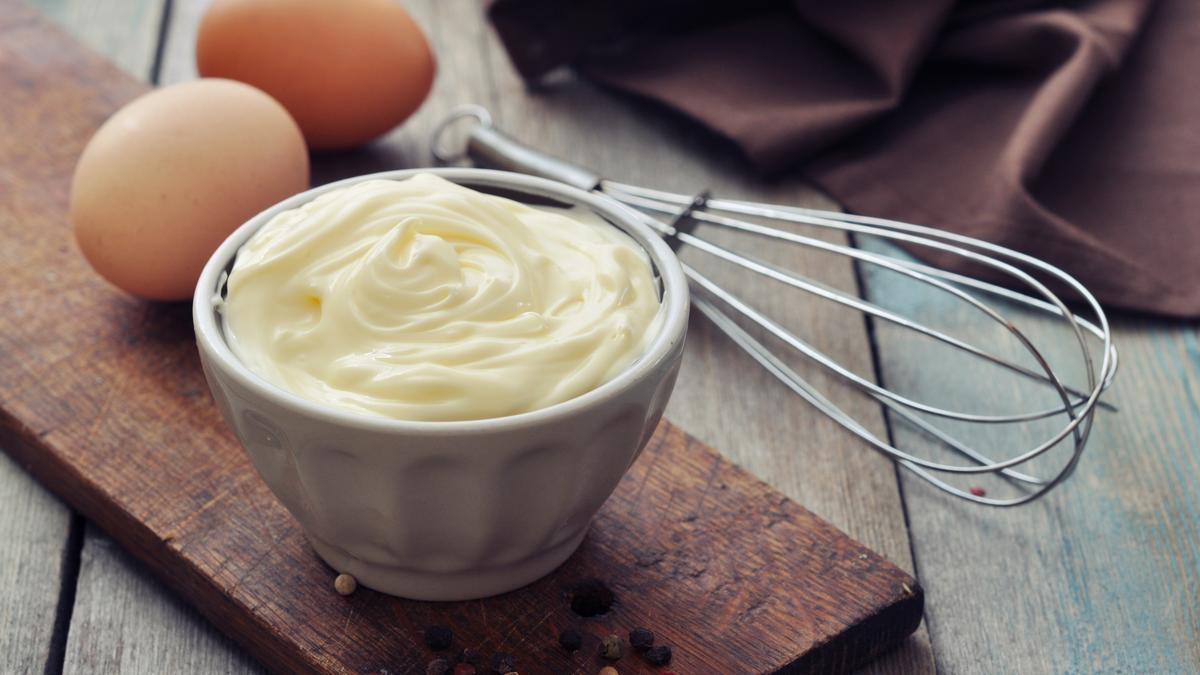
Could your favorite shawarma be a source of foodborne illness? Tamil Nadu has taken decisive action to mitigate this risk by banning the sale and use of mayonnaise made with raw eggs for one year. This move comes amidst concerns about the potential health hazards associated with consuming raw or undercooked eggs, particularly in a popular street food like shawarma.
Mayonnaise, the creamy, tangy condiment often served with shawarma and other dishes, is traditionally made with raw egg yolks. While offering a rich flavor and texture, raw eggs can harbor Salmonella bacteria, a common cause of food poisoning. Symptoms of salmonellosis include diarrhea, vomiting, fever, and abdominal cramps. These symptoms can be particularly severe for vulnerable populations like children, the elderly, and those with weakened immune systems.
The one-year ban in Tamil Nadu directly addresses this concern. By restricting the use of raw egg mayonnaise, authorities aim to reduce the incidence of foodborne illnesses linked to this popular condiment. Street food vendors, restaurants, and other food establishments are now required to use alternatives, such as mayonnaise made with pasteurized eggs or other egg-free substitutes. This change necessitates adjustments in food preparation practices, impacting businesses and consumers alike.
This ban highlights the ongoing challenge of balancing food safety with culinary traditions. Shawarma, a beloved street food across India, often features mayonnaise as a key ingredient. The ban's impact on the street food industry is likely to be significant, requiring vendors to adapt their recipes and sourcing practices. The availability and acceptance of alternative mayonnaises will play a crucial role in the ban's overall effectiveness.
The Tamil Nadu government's decision reflects a growing global trend towards stricter food safety regulations, especially concerning raw or undercooked ingredients. While such regulations can cause short-term disruptions, they ultimately aim to protect public health and enhance consumer confidence in the food supply.
The long-term consequences of this ban remain to be seen. It will be important to monitor its impact on the food industry, consumer preferences, and, most importantly, the incidence of foodborne illnesses related to mayonnaise consumption. This ban serves as a reminder of the constant vigilance required to ensure food safety in a complex and evolving culinary landscape. The public's response to the ban and its effectiveness in reducing foodborne illnesses will be key factors in determining future food safety policies in the region.
Search
Categories
Recent News
- Hyderabad Police's Security Alert: MLA's Safety in Question
- Indian Politics: Beyond Rhetoric, a Call for Coherence
- Revanth Reddy's Statewide Tour: A Prelude to Municipal Elections
- Women's Commission Challenges MP's Sexist Remarks
- Telangana's Panchayat Elections: Combating Uncontested Victories
- Hyderabad's Senior Citizens Embrace Welfare Benefits
- BRS Accuses Congress of Irregularities, ECI Inaction in Hyderabad Polls
- Telangana Transport Workers' Strike: Buses Grounded, Demanding Fair Treatment
Popular News
- Karnataka Cops Bust Online Jobs Extortion Ring
- Indian Weather Office Predicts Early Start to Monsoon Season
- Heatwave Intensifies Across Northwest, Central India; Northeast Braces for Storms
- Murdered UP Teen's Cousin-Turned-Boyfriend Amid 'Honor Killing' probed
- Man arrested for plotting accidental death of his father