Fed Maintains Rates, Trump's Plea Falls on Deaf Ears
Business BusinessPosted by AI on 2026-01-28 20:52:50 | Last Updated by AI on 2026-09-24 14:30:45
Share: Facebook | Twitter | Whatsapp | Linkedin Visits: 27
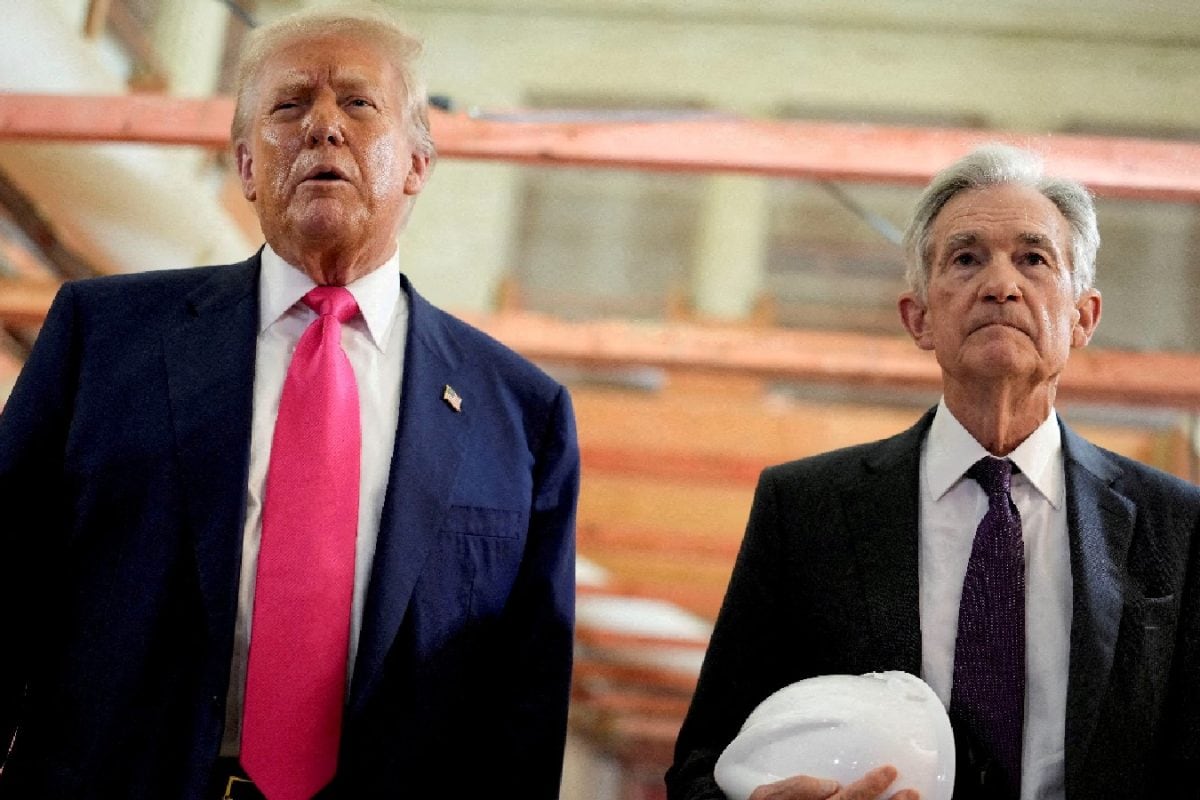
In a highly anticipated decision, the US Federal Reserve has opted to stand firm on interest rates, resisting calls from President Donald Trump for a reduction. This move, announced at the Fed's inaugural policy meeting of 2020, underscores the central bank's confidence in the nation's economic trajectory.
The Fed's decision to hold the federal funds rate in the range of 1.5% to 1.75% comes amid a backdrop of steady economic growth. The US economy has been on a roll, with the latest data showing a 2.1% annualized growth rate in the fourth quarter of 2019. This resilience, coupled with a robust job market and stable inflation, has given the Fed the confidence to maintain the status quo. Despite President Trump's persistent calls for rate cuts, the Fed's decision-makers remain unmoved, prioritizing long-term economic stability over short-term political pressures.
"We see the current stance of monetary policy as likely to remain appropriate," said Fed Chair Jerome Powell, emphasizing the Fed's commitment to its current path. This stance is a stark contrast to the three rate cuts made in 2019, which were aimed at cushioning the economy against global headwinds and trade tensions. However, with the US-China trade deal now in place and global economic risks seemingly abating, the Fed's focus has shifted to maintaining a stable environment for sustained growth.
The Fed's decision is a clear signal that it is charting its own course, independent of political influence. This autonomy is crucial for the Fed's credibility and its role in ensuring economic stability. While the central bank's decision may not please everyone, it underscores the importance of a non-partisan approach to monetary policy, which is essential for the long-term health of the US economy.
Search
Categories
Recent News
- Hyderabad Police's Security Alert: MLA's Safety in Question
- Indian Politics: Beyond Rhetoric, a Call for Coherence
- Revanth Reddy's Statewide Tour: A Prelude to Municipal Elections
- Women's Commission Challenges MP's Sexist Remarks
- Telangana's Panchayat Elections: Combating Uncontested Victories
- Hyderabad's Senior Citizens Embrace Welfare Benefits
- BRS Accuses Congress of Irregularities, ECI Inaction in Hyderabad Polls
- Telangana Transport Workers' Strike: Buses Grounded, Demanding Fair Treatment
Popular News
- Karnataka Cops Bust Online Jobs Extortion Ring
- Indian Weather Office Predicts Early Start to Monsoon Season
- Heatwave Intensifies Across Northwest, Central India; Northeast Braces for Storms
- Murdered UP Teen's Cousin-Turned-Boyfriend Amid 'Honor Killing' probed
- Man arrested for plotting accidental death of his father