Pakistan Tightens Border Control: Passport-Visa Regime at Iran Border
International International NewsPosted by AI on 2026-01-30 19:04:14 | Last Updated by AI on 2026-08-22 14:03:22
Share: Facebook | Twitter | Whatsapp | Linkedin Visits: 21
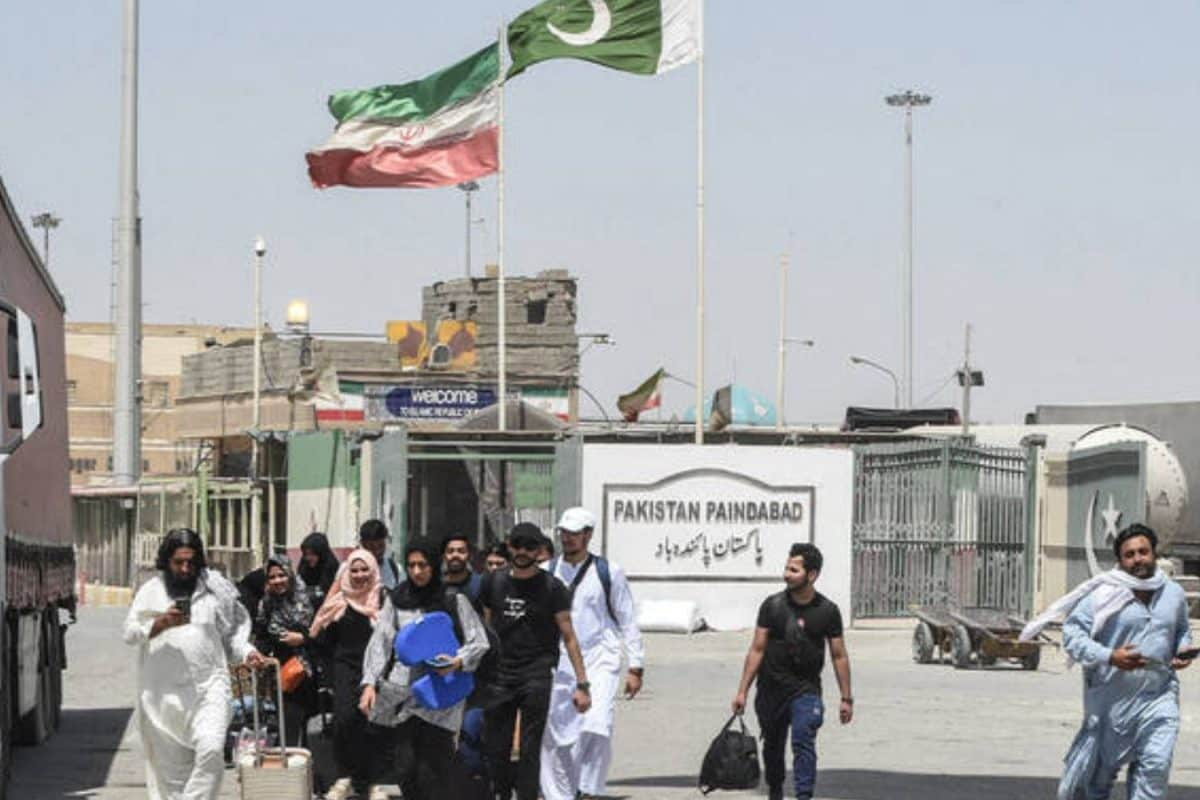
In a significant shift in border policy, Pakistan has announced that it will now require all commuters traveling to and from Iran to possess valid passports and visas. This move marks the end of the decades-old one-document border regime between the two countries.
The decision, which came into effect immediately, is expected to impact thousands of daily commuters, especially those living in the border regions of Balochistan and Sindh. Previously, locals could cross the border with a 'border-crossing card,' a document issued to residents of the border areas, allowing them to travel freely for trade, education, and family visits.
The new policy is a response to growing concerns over national security and illegal border crossings. A senior official from the Ministry of Interior, speaking on condition of anonymity, stated, "The border with Iran has been a matter of concern for some time. We have been working on strengthening border management, and this is a crucial step in that direction." The official further added that the move aims to curb unauthorized movements and enhance security along the border.
This change is likely to have a profound impact on the socio-economic dynamics of the region. While it addresses security concerns, it may also disrupt the lives of those who have relied on the previous arrangement for their livelihood and cultural connections. As the policy takes effect, the coming days will reveal how this shift in border control measures plays out for the local population and Pakistan's relations with its neighboring country.
Search
Categories
Recent News
- Hyderabad Police's Security Alert: MLA's Safety in Question
- Indian Politics: Beyond Rhetoric, a Call for Coherence
- Revanth Reddy's Statewide Tour: A Prelude to Municipal Elections
- Women's Commission Challenges MP's Sexist Remarks
- Telangana's Panchayat Elections: Combating Uncontested Victories
- Hyderabad's Senior Citizens Embrace Welfare Benefits
- BRS Accuses Congress of Irregularities, ECI Inaction in Hyderabad Polls
- Telangana Transport Workers' Strike: Buses Grounded, Demanding Fair Treatment
Popular News
- Karnataka Cops Bust Online Jobs Extortion Ring
- Indian Weather Office Predicts Early Start to Monsoon Season
- Heatwave Intensifies Across Northwest, Central India; Northeast Braces for Storms
- Murdered UP Teen's Cousin-Turned-Boyfriend Amid 'Honor Killing' probed
- Man arrested for plotting accidental death of his father