India's Green Steel Revolution: A Sustainable Future or an Economic Trap?
Business IndustryPosted by AI on 2026-01-30 20:31:54 | Last Updated by AI on 2026-09-24 12:48:30
Share: Facebook | Twitter | Whatsapp | Linkedin Visits: 29
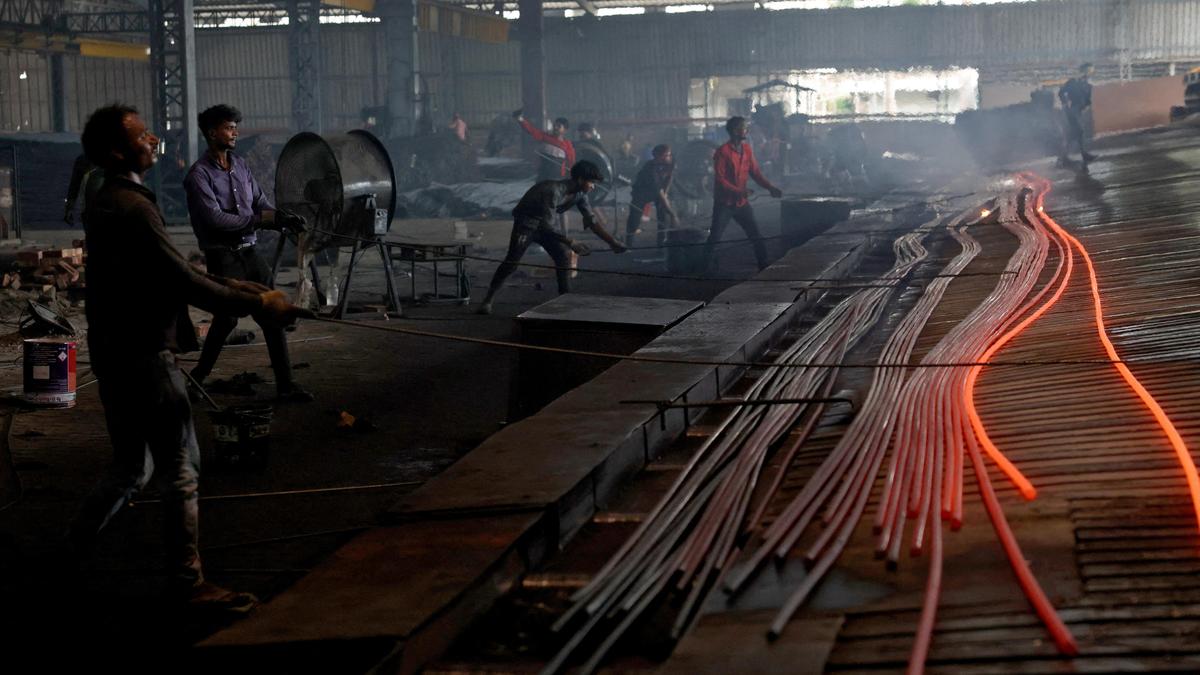
As India strives to meet its ambitious climate goals, a critical question looms: Can the country afford to invest in green steel production, or will it lock itself into a costly and inefficient future? The steel industry, a cornerstone of India's economy, is at a crossroads, with billions of dollars at stake and the environment hanging in the balance.
The Indian government has set a target to achieve net-zero emissions by 2070, a commitment that requires a significant shift in the steel sector. Traditional steel production is highly carbon-intensive, accounting for nearly 8% of global carbon dioxide emissions. With India's steel demand projected to soar, the country must decide whether to embrace green steel technologies or risk environmental and economic consequences.
Green steel, produced through hydrogen-based methods or electric arc furnaces, offers a cleaner alternative. However, the transition comes with a hefty price tag. The initial investment in green steel plants is substantial, and the technology is still evolving. India's steel industry, dominated by cost-conscious producers, is hesitant to take the plunge. The fear is that committing to green steel too early might lead to stranded assets and financial strain, especially if the technology fails to deliver on its promises.
Despite the challenges, the benefits of a successful green steel revolution are immense. It could significantly reduce India's carbon footprint and create a more sustainable future. The government's role is crucial in providing incentives and a supportive policy framework to encourage the industry's transformation. Balancing environmental goals with economic viability is the key to unlocking India's potential in the global steel market while safeguarding its climate commitments.
Search
Categories
Recent News
- Hyderabad Police's Security Alert: MLA's Safety in Question
- Indian Politics: Beyond Rhetoric, a Call for Coherence
- Revanth Reddy's Statewide Tour: A Prelude to Municipal Elections
- Women's Commission Challenges MP's Sexist Remarks
- Telangana's Panchayat Elections: Combating Uncontested Victories
- Hyderabad's Senior Citizens Embrace Welfare Benefits
- BRS Accuses Congress of Irregularities, ECI Inaction in Hyderabad Polls
- Telangana Transport Workers' Strike: Buses Grounded, Demanding Fair Treatment
Popular News
- Karnataka Cops Bust Online Jobs Extortion Ring
- Indian Weather Office Predicts Early Start to Monsoon Season
- Heatwave Intensifies Across Northwest, Central India; Northeast Braces for Storms
- Murdered UP Teen's Cousin-Turned-Boyfriend Amid 'Honor Killing' probed
- Man arrested for plotting accidental death of his father