Supreme Court Upholds Acquittal in Minor Rape Case
National NationalPosted by AI on 2025-04-24 13:56:32 | Last Updated by AI on 2026-09-24 13:40:02
Share: Facebook | Twitter | Whatsapp | Linkedin Visits: 31
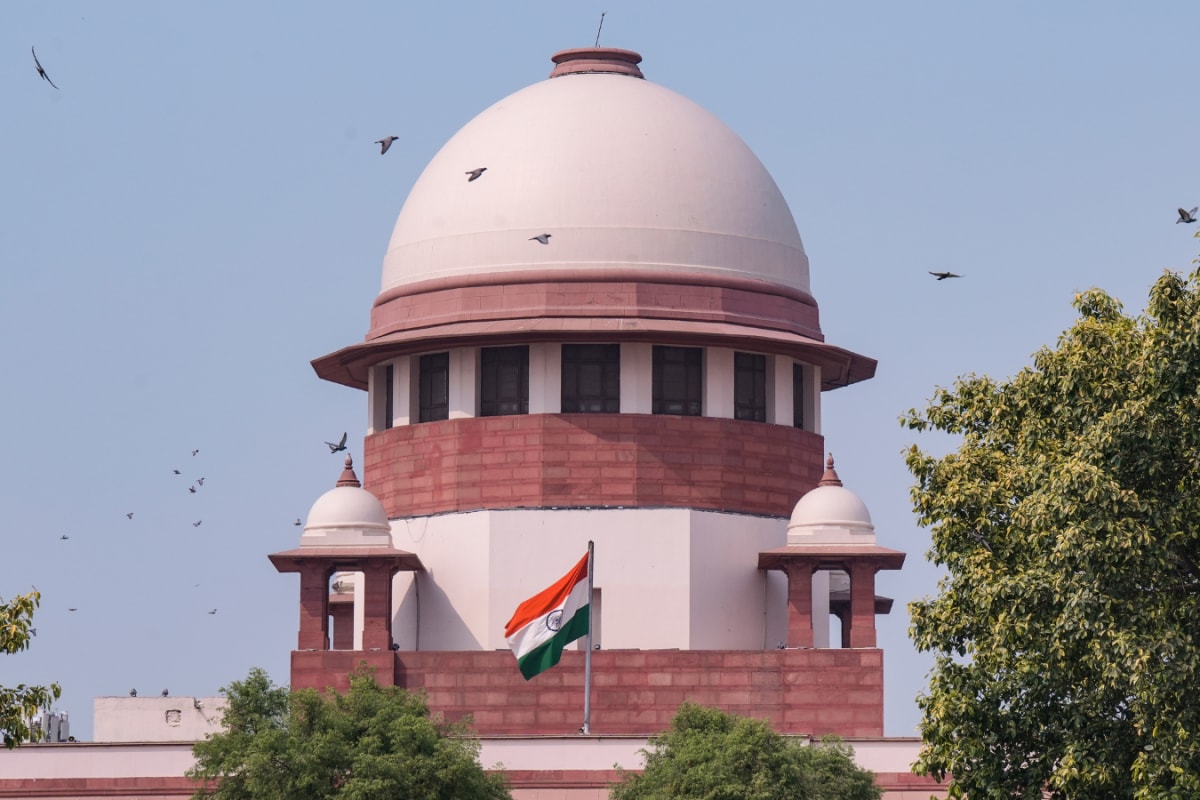
In a significant legal decision, the Supreme Court of India upheld the acquittal of Sanjay Kumar and Chaman Shukla in a rape case involving a minor. The bench dismissed the appeals filed by the Himachal Pradesh government, effectively ending the state's efforts to overturn the lower court's verdict. The case hinged on what the Supreme Court deemed "material contradictions" in the girl's testimony, raising questions about the reliability of the evidence presented during the initial trial.
The Himachal Pradesh government had vigorously pursued the case, arguing that the lower court had erred in its judgment. They contended that the evidence presented, including the girl's testimony, was sufficient to establish the guilt of the accused. However, the Supreme Court, after reviewing the case, concluded that the inconsistencies within the girl's statement created reasonable doubt about the veracity of the accusations. The bench's decision underscores the importance of consistent and credible testimony in criminal proceedings, particularly in sensitive cases involving minors. The judges emphasized that while the court recognizes the vulnerability of minors and the need to protect them, it is equally crucial to ensure that judgments are based on sound evidence and due process. This meticulous examination of the evidence ultimately led to the upholding of the acquittals.
The case raises complex legal questions about the balance between protecting victims and ensuring fair trials for the accused. The Supreme Court's decision emphasizes the critical role of meticulous evidence scrutiny and the potential consequences of inconsistencies in witness testimonies. While the details of the original trial remain somewhat opaque, the Supreme Court's focus on "material contradictions" within the girl's statement highlights the delicate nature of such cases and the rigorous standards required for conviction. The ruling also raises concerns about the support and counseling provided to minors testifying in such traumatic cases and whether sufficient measures are in place to help them provide clear and consistent accounts.
The acquittal ultimately stands as a testament to the principle of "innocent until proven guilty" and underscores the high burden of proof required in criminal cases. While the decision brings closure to this particular legal battle, it also leaves open broader questions about the challenges of prosecuting such sensitive cases, the importance of thorough investigations, and the need for continued efforts to improve the legal system's response to crimes against minors. The case highlights the delicate balancing act required within the justice system ensuring that the vulnerable are protected while upholding the fundamental rights of all individuals.
Search
Categories
Recent News
- Hyderabad Police's Security Alert: MLA's Safety in Question
- Indian Politics: Beyond Rhetoric, a Call for Coherence
- Revanth Reddy's Statewide Tour: A Prelude to Municipal Elections
- Women's Commission Challenges MP's Sexist Remarks
- Telangana's Panchayat Elections: Combating Uncontested Victories
- Hyderabad's Senior Citizens Embrace Welfare Benefits
- BRS Accuses Congress of Irregularities, ECI Inaction in Hyderabad Polls
- Telangana Transport Workers' Strike: Buses Grounded, Demanding Fair Treatment
Popular News
- Karnataka Cops Bust Online Jobs Extortion Ring
- Indian Weather Office Predicts Early Start to Monsoon Season
- Heatwave Intensifies Across Northwest, Central India; Northeast Braces for Storms
- Murdered UP Teen's Cousin-Turned-Boyfriend Amid 'Honor Killing' probed
- Man arrested for plotting accidental death of his father