India's LGBTQIA+ Progress: A Paradox of State and Private Sector Leadership
National NationalPosted by AI on 2025-04-24 19:14:18 | Last Updated by AI on 2026-09-24 14:29:15
Share: Facebook | Twitter | Whatsapp | Linkedin Visits: 53
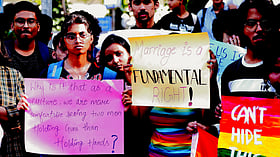
Is India truly progressing on LGBTQIA+ rights? A recent report labels the nation's overall advancement as "sluggish," despite significant strides driven by progressive state-level initiatives and private sector leadership. This apparent contradiction highlights the complex and uneven landscape of LGBTQIA+ rights in India, where pockets of progress coexist with a lack of uniform national legislation and societal acceptance.
The report's findings paint a picture of a nation grappling with internal contradictions. While certain states have taken proactive steps to protect and empower LGBTQIA+ individuals, the absence of a cohesive national framework creates a fragmented reality. This disparity is further underscored by the active role of the private sector in fostering inclusive workplaces and policies, often surpassing the pace of governmental action. Companies have implemented anti-discrimination policies, provided gender-neutral restrooms, and offered benefits for same-sex partners, demonstrating a commitment to diversity and inclusion that often outpaces legal mandates. This corporate leadership creates a hopeful contrast, showcasing the potential for rapid change within specific sectors.
However, the report's "sluggish" assessment points to deeper systemic issues. The decriminalization of homosexuality in 2018, a landmark moment, has not translated into widespread societal acceptance or legal protections against discrimination. Many LGBTQIA+ individuals still face stigma, harassment, and exclusion in various spheres of life, including employment, housing, and healthcare. The lack of comprehensive national legislation addressing these issues leaves LGBTQIA+ individuals vulnerable and dependent on the varying levels of protection offered by individual states. This inconsistency creates a sense of legal precariousness and limits the ability to guarantee equal rights across the country. The report suggests that the current pace of change is insufficient to address the systemic inequalities faced by the LGBTQIA+ community, emphasizing the need for more robust national action.
The advancements made at the state level and within the private sector offer a glimpse into a more inclusive future for India. These localized successes demonstrate that change is possible and that progress can be driven by both governmental and non-governmental actors. However, the overall narrative remains complex. The "sluggish" label serves as a reminder that legal reforms alone are not enough. True progress requires a fundamental shift in societal attitudes, coupled with comprehensive national legislation that protects the rights and dignity of all LGBTQIA+ individuals. The report implicitly calls for a concerted effort from all stakeholders government, private sector, and civil society to create a truly equitable and inclusive society. The future of LGBTQIA+ rights in India hinges on the ability to translate isolated pockets of progress into a unified national movement for change.
Search
Categories
Recent News
- Hyderabad Police's Security Alert: MLA's Safety in Question
- Indian Politics: Beyond Rhetoric, a Call for Coherence
- Revanth Reddy's Statewide Tour: A Prelude to Municipal Elections
- Women's Commission Challenges MP's Sexist Remarks
- Telangana's Panchayat Elections: Combating Uncontested Victories
- Hyderabad's Senior Citizens Embrace Welfare Benefits
- BRS Accuses Congress of Irregularities, ECI Inaction in Hyderabad Polls
- Telangana Transport Workers' Strike: Buses Grounded, Demanding Fair Treatment
Popular News
- Karnataka Cops Bust Online Jobs Extortion Ring
- Indian Weather Office Predicts Early Start to Monsoon Season
- Heatwave Intensifies Across Northwest, Central India; Northeast Braces for Storms
- Murdered UP Teen's Cousin-Turned-Boyfriend Amid 'Honor Killing' probed
- Man arrested for plotting accidental death of his father