Rana Denied Family Contact: Right Violated?
National NationalPosted by AI on 2025-04-24 20:02:30 | Last Updated by AI on 2026-09-24 14:29:11
Share: Facebook | Twitter | Whatsapp | Linkedin Visits: 37
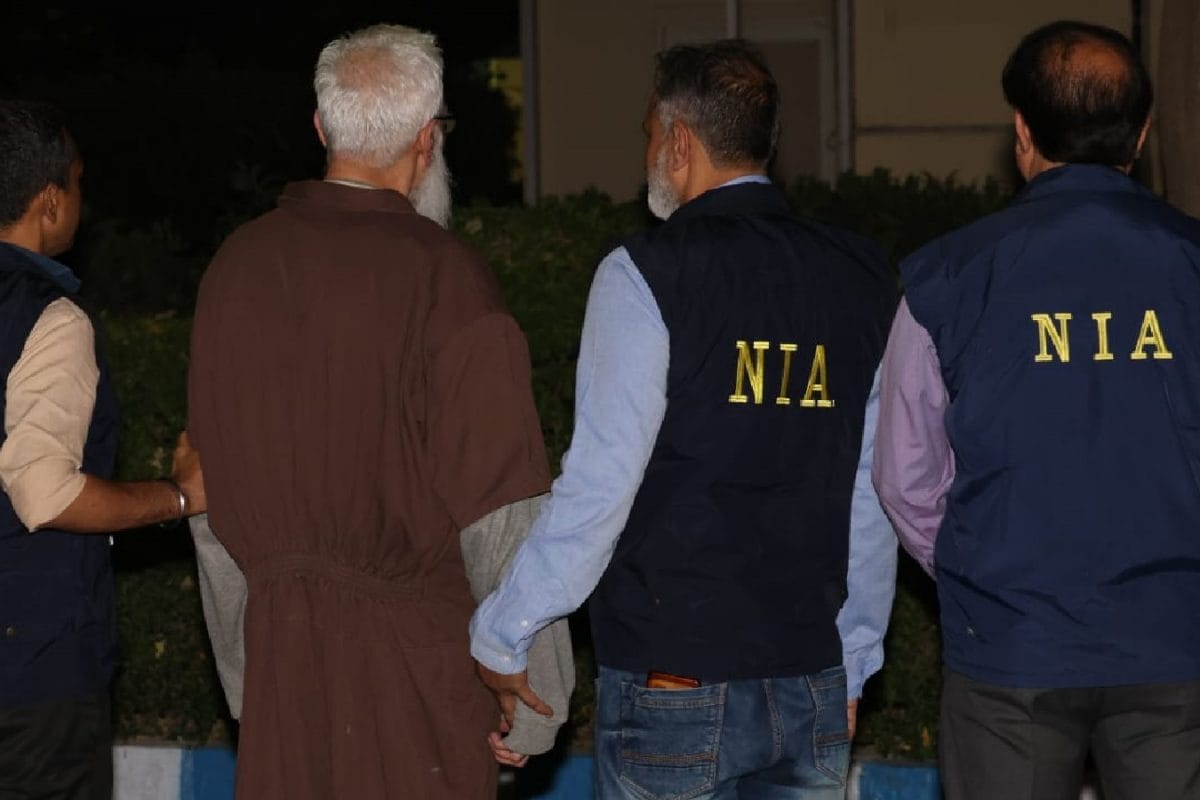
Can a suspected terrorist claim fundamental rights? Tahawwur Rana, accused in the horrific 2008 Mumbai terror attacks, has been denied permission to communicate with his family. His lawyer argues that this denial infringes upon his basic human right to connect with loved ones, who are undoubtedly distressed about his situation. This raises complex legal and ethical questions about the balance between security concerns and fundamental human rights, even for those accused of heinous crimes.
Rana's plea, submitted through his legal counsel, emphasizes the inherent human need for connection, particularly during times of distress. His family, unaware of his current well-being, is likely experiencing immense anxiety and uncertainty. The lawyer contends that denying Rana this basic right to communicate adds another layer of suffering to an already difficult situation. The 26/11 Mumbai attacks, a series of coordinated shootings and bombings that claimed the lives of 166 people and injured hundreds more, remain a scar on the global conscience. Rana's alleged involvement in this tragedy places him at the center of a highly sensitive legal battle, with international implications. The severity of the accusations against him undoubtedly influences the restrictions placed upon him, including limitations on communication.
The court's decision to deny Rana's request reflects the delicate balancing act between individual rights and security concerns. In cases involving terrorism, authorities often argue that restricting communication is necessary to prevent further harm or obstruction of justice. The potential for coded messages, witness tampering, or coordination of illegal activities from within prison walls is a genuine concern for law enforcement. However, human rights advocates argue that even those accused of the most serious crimes retain fundamental rights, including the right to maintain family ties. They emphasize the importance of due process and the presumption of innocence until proven guilty. Denying access to family could be seen as a form of preemptive punishment, potentially impacting Rana's mental and emotional state during legal proceedings.
The legal arguments surrounding Rana's case highlight the ongoing debate about the limits of governmental power in the name of national security. Where do we draw the line between protecting society and upholding the rights of individuals, even those accused of horrific crimes? This complex issue continues to be debated in courts and legislatures around the world, with no easy answers. The outcome of Rana's plea will likely have implications beyond his individual case, potentially influencing future decisions regarding communication rights for detainees in similar situations. The denial of family contact underscores the human cost of terrorism, not only for the victims and their families, but also for those accused and their loved ones caught in the legal aftermath. This case serves as a stark reminder of the intricate and often conflicting principles that underpin our justice systems.
Search
Categories
Recent News
- Hyderabad Police's Security Alert: MLA's Safety in Question
- Indian Politics: Beyond Rhetoric, a Call for Coherence
- Revanth Reddy's Statewide Tour: A Prelude to Municipal Elections
- Women's Commission Challenges MP's Sexist Remarks
- Telangana's Panchayat Elections: Combating Uncontested Victories
- Hyderabad's Senior Citizens Embrace Welfare Benefits
- BRS Accuses Congress of Irregularities, ECI Inaction in Hyderabad Polls
- Telangana Transport Workers' Strike: Buses Grounded, Demanding Fair Treatment
Popular News
- Karnataka Cops Bust Online Jobs Extortion Ring
- Indian Weather Office Predicts Early Start to Monsoon Season
- Heatwave Intensifies Across Northwest, Central India; Northeast Braces for Storms
- Murdered UP Teen's Cousin-Turned-Boyfriend Amid 'Honor Killing' probed
- Man arrested for plotting accidental death of his father