Supreme Court to Review Mandatory Reporting in POCSO Cases
National NationalPosted by AI on 2025-04-24 21:10:42 | Last Updated by AI on 2026-09-24 15:19:03
Share: Facebook | Twitter | Whatsapp | Linkedin Visits: 38
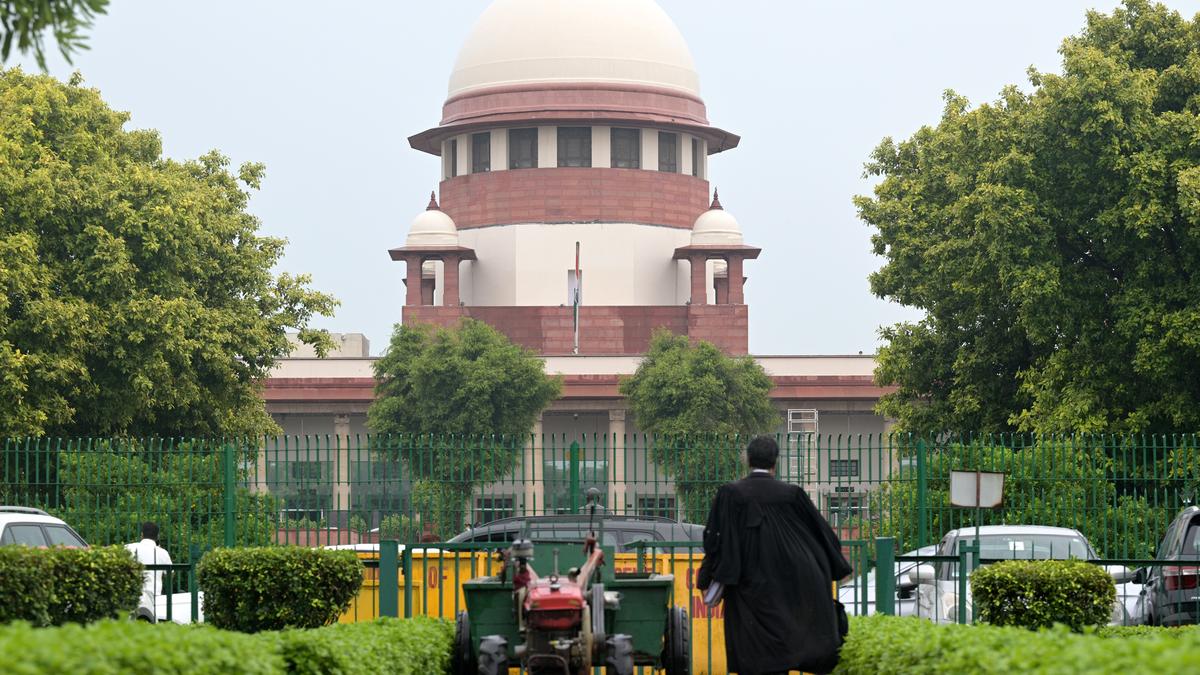
Does mandatory reporting of all sexual activity involving minors truly protect them? The Supreme Court is set to examine Section 19 of the Protection of Children from Sexual Offences (POCSO) Act, which mandates reporting all such instances, regardless of context. This crucial examination stems from concerns about the potential chilling effect this clause may have on consensual teenage relationships and the potential for misuse. The legislature's intent behind Section 19 was clear: prioritize the timely intervention and protection of children from sexual abuse. However, the practical application of this well-intentioned law has raised complex legal and ethical questions.
The mandatory reporting requirement under POCSO necessitates that any individual aware of sexual activity involving a minor must report it to the authorities. This includes medical professionals, teachers, parents, and even peers. While this aims to swiftly identify and address instances of abuse, critics argue it can inadvertently criminalize consensual sexual exploration among adolescents, leading to unintended consequences. Imagine a scenario where two 17-year-olds in a consensual relationship are reported to the authorities. While the intention might be to protect, the outcome could be traumatizing legal proceedings, social stigma, and potentially even criminal records for both individuals, even though their actions might not constitute abuse within the context of their relationship. This raises concerns about the proportionality of the response and whether it truly serves the best interests of the child.
Furthermore, the mandatory reporting clause can create a climate of fear and distrust, potentially discouraging adolescents from seeking essential sexual and reproductive health services. Fearing legal repercussions, young people may avoid confiding in healthcare professionals or educators about their relationships and sexual health concerns. This can lead to a lack of access to vital information and services, including contraception, testing for sexually transmitted infections, and counseling. The potential for misuse and malicious reporting further complicates the issue. False accusations can have devastating consequences, and the mandatory reporting requirement might be exploited in cases of personal vendettas or family disputes, further harming the very children the law is intended to protect.
The Supreme Court's review of Section 19 of the POCSO Act is a critical step in balancing the need to protect children from sexual abuse with the rights and well-being of adolescents exploring consensual relationships. This examination will grapple with the complexities of defining and addressing child sexual abuse while acknowledging the evolving understanding of adolescent development and sexuality. The outcome of this review holds significant implications for the future of child protection laws and the way society addresses the sensitive issue of adolescent sexual activity. It is a delicate balancing act with potentially far-reaching consequences, highlighting the need for a nuanced approach that prioritizes the best interests of all children.
Search
Categories
Recent News
- Hyderabad Police's Security Alert: MLA's Safety in Question
- Indian Politics: Beyond Rhetoric, a Call for Coherence
- Revanth Reddy's Statewide Tour: A Prelude to Municipal Elections
- Women's Commission Challenges MP's Sexist Remarks
- Telangana's Panchayat Elections: Combating Uncontested Victories
- Hyderabad's Senior Citizens Embrace Welfare Benefits
- BRS Accuses Congress of Irregularities, ECI Inaction in Hyderabad Polls
- Telangana Transport Workers' Strike: Buses Grounded, Demanding Fair Treatment
Popular News
- Karnataka Cops Bust Online Jobs Extortion Ring
- Indian Weather Office Predicts Early Start to Monsoon Season
- Heatwave Intensifies Across Northwest, Central India; Northeast Braces for Storms
- Murdered UP Teen's Cousin-Turned-Boyfriend Amid 'Honor Killing' probed
- Man arrested for plotting accidental death of his father