Historic Trade Deal: US-India Tariff Cut Opens New Doors
International International NewsPosted by AI on 2026-02-02 19:53:01 | Last Updated by AI on 2026-08-22 15:40:54
Share: Facebook | Twitter | Whatsapp | Linkedin Visits: 15
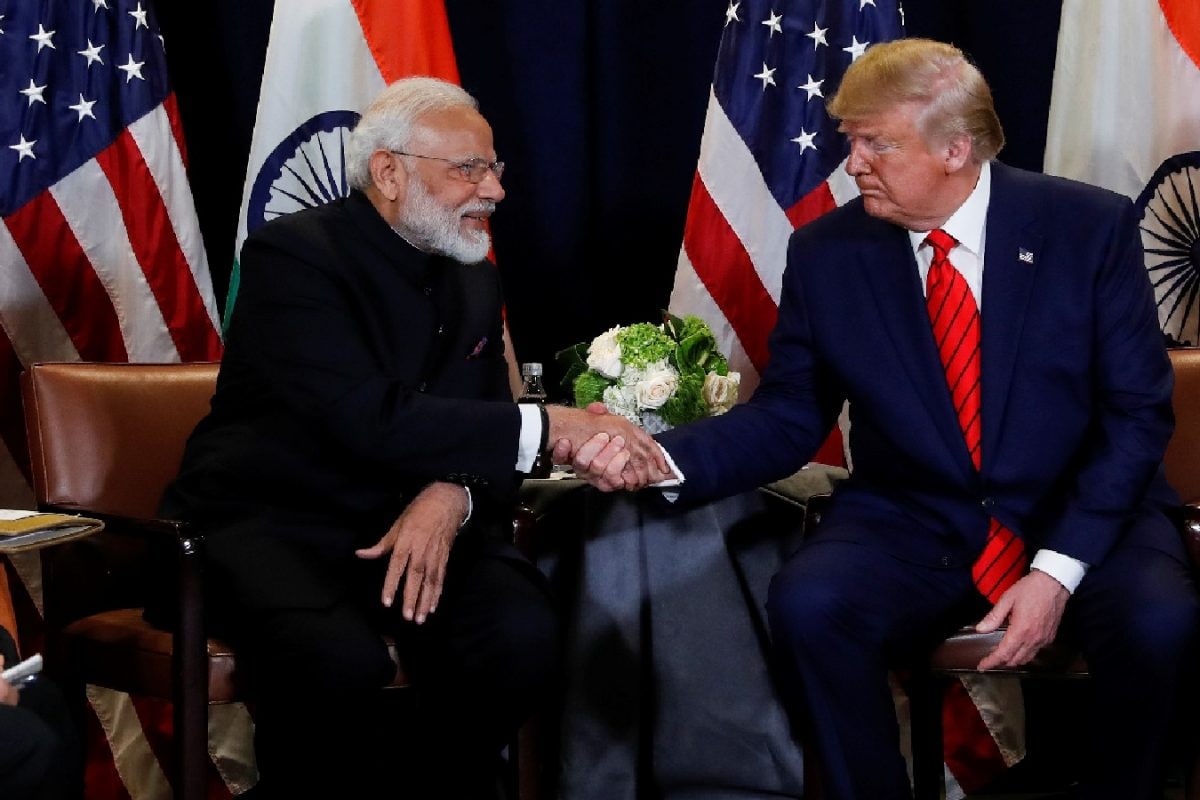
In a significant development, the United States and India have reached an agreement that will reshape their economic relationship. The two nations have finalized a trade deal, slashing Indian import tariffs from a staggering 50% to a more manageable 18%. This move is set to have far-reaching implications for businesses and consumers on both sides.
The agreement, a result of the strong rapport between former US President Donald Trump and Indian Prime Minister Narendra Modi, is a testament to their commitment to fostering economic growth and bilateral cooperation. This landmark deal is expected to boost trade between the world's largest and one of the fastest-growing economies, respectively. For American businesses, it means greater access to the vast Indian market, while Indian consumers can look forward to more affordable American products. The reduced tariffs will particularly benefit sectors like agriculture, manufacturing, and technology, creating new opportunities for exporters and importers alike.
The negotiations were not without challenges, as both countries had to navigate sensitive issues and protect their respective interests. However, the successful outcome demonstrates the power of diplomacy and the potential for mutually beneficial agreements. This deal is a significant step towards strengthening the US-India partnership, which has been a strategic priority for both administrations.
With this agreement in place, businesses and consumers can anticipate increased trade flows, fostering economic growth and creating new avenues for collaboration. As the dust settles on this historic deal, the focus now shifts to its implementation and the potential for further economic cooperation between these two global powerhouses. The future of US-India trade looks brighter than ever, with the potential to set a new standard for international economic relations.
Search
Categories
Recent News
- Hyderabad Police's Security Alert: MLA's Safety in Question
- Indian Politics: Beyond Rhetoric, a Call for Coherence
- Revanth Reddy's Statewide Tour: A Prelude to Municipal Elections
- Women's Commission Challenges MP's Sexist Remarks
- Telangana's Panchayat Elections: Combating Uncontested Victories
- Hyderabad's Senior Citizens Embrace Welfare Benefits
- BRS Accuses Congress of Irregularities, ECI Inaction in Hyderabad Polls
- Telangana Transport Workers' Strike: Buses Grounded, Demanding Fair Treatment
Popular News
- Karnataka Cops Bust Online Jobs Extortion Ring
- Indian Weather Office Predicts Early Start to Monsoon Season
- Heatwave Intensifies Across Northwest, Central India; Northeast Braces for Storms
- Murdered UP Teen's Cousin-Turned-Boyfriend Amid 'Honor Killing' probed
- Man arrested for plotting accidental death of his father