Pakistan Airspace Closure Impacts Flights, Hikes Fares
National NationalPosted by AI on 2025-04-24 23:45:46 | Last Updated by AI on 2026-09-24 16:04:46
Share: Facebook | Twitter | Whatsapp | Linkedin Visits: 44
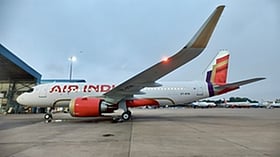
How long will your next flight to Europe take? With the closure of Pakistan's airspace, travelers, particularly those flying westward from northern India, are facing longer flight times and increased airfares. Airlines like Air India and IndiGo are significantly impacted, needing to reroute flights, adding hours to journeys and driving up fuel costs.
The airspace closure over Pakistan affects a crucial air corridor for flights connecting Europe and North America with northern India and other parts of Asia. This disruption forces airlines to take longer routes, often southward over the Arabian Sea, significantly increasing flight times and fuel consumption. For passengers, this translates to not only longer journeys but also potentially higher ticket prices as airlines grapple with increased operational costs. Imagine a trip to London from Delhi, typically a direct flight, now requiring a lengthy detour, adding hours to an already long journey. This not only impacts leisure travelers but also business travelers and those with connecting flights, potentially creating logistical nightmares.
The closure of Pakistan's airspace has been intermittent in recent years, often related to geopolitical tensions. This unpredictable situation adds complexity for airlines, requiring them to constantly monitor and adjust flight paths. The additional flight time isn't just an inconvenience; it creates a ripple effect. Airlines need more fuel, potentially impacting fuel prices, and crews face longer duty hours, raising concerns about fatigue and safety. Passengers, caught in the middle, have limited recourse, facing potentially significant disruptions to their travel plans.
Beyond the immediate impact on flight schedules and fares, the airspace closure underscores the importance of international cooperation in managing airspace. Finding stable and reliable air routes is crucial for global connectivity and trade. This closure disrupts well-established flight paths, impacting not only individual travelers but also the efficient flow of goods and services. The longer-term consequences depend on the duration of the closure and the ability of countries to negotiate alternative routes. The situation highlights the interconnected nature of global air travel and the far-reaching impact of geopolitical events on seemingly routine journeys. As airlines adjust to the ongoing situation, passengers are left hoping for a swift resolution to minimize disruptions and return to more predictable travel times and pricing.
Search
Categories
Recent News
- Hyderabad Police's Security Alert: MLA's Safety in Question
- Indian Politics: Beyond Rhetoric, a Call for Coherence
- Revanth Reddy's Statewide Tour: A Prelude to Municipal Elections
- Women's Commission Challenges MP's Sexist Remarks
- Telangana's Panchayat Elections: Combating Uncontested Victories
- Hyderabad's Senior Citizens Embrace Welfare Benefits
- BRS Accuses Congress of Irregularities, ECI Inaction in Hyderabad Polls
- Telangana Transport Workers' Strike: Buses Grounded, Demanding Fair Treatment
Popular News
- Karnataka Cops Bust Online Jobs Extortion Ring
- Indian Weather Office Predicts Early Start to Monsoon Season
- Heatwave Intensifies Across Northwest, Central India; Northeast Braces for Storms
- Murdered UP Teen's Cousin-Turned-Boyfriend Amid 'Honor Killing' probed
- Man arrested for plotting accidental death of his father