95 Gangs Plague Delhi: Special Courts Proposed
National NationalPosted by AI on 2025-04-25 00:47:28 | Last Updated by AI on 2026-09-24 17:31:29
Share: Facebook | Twitter | Whatsapp | Linkedin Visits: 62
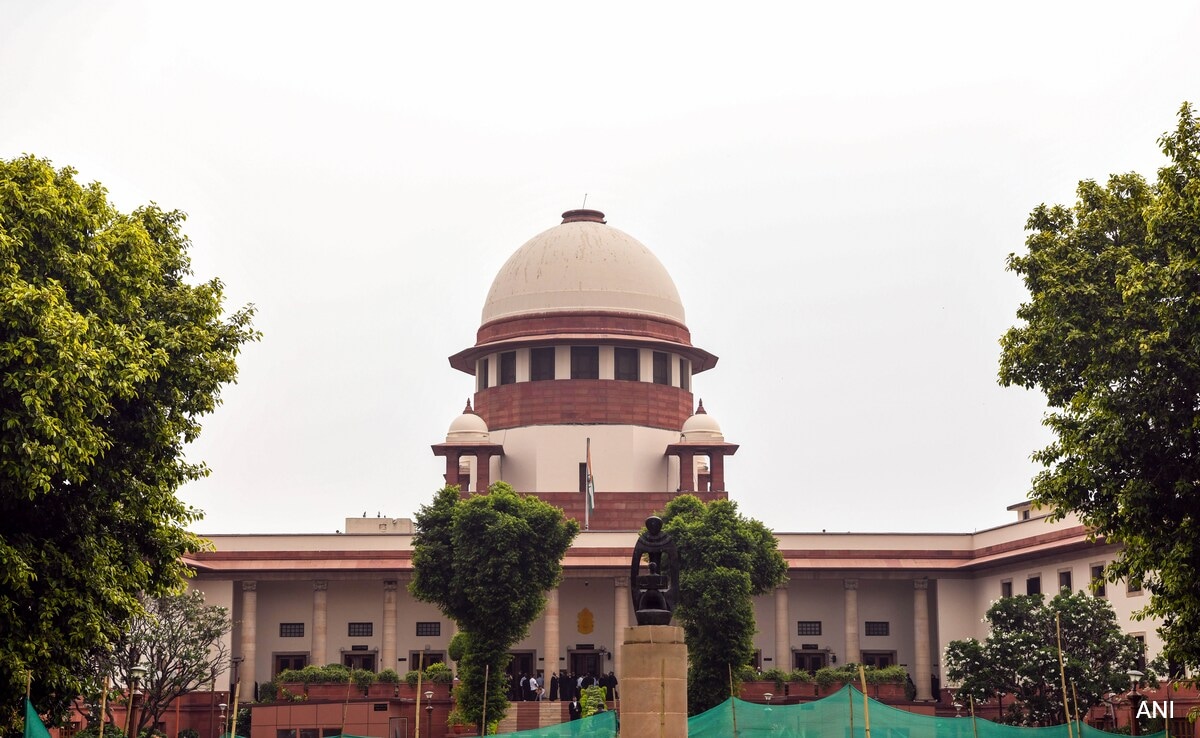
95 active criminal gangs operating within Delhi's borders this startling figure was presented to the Supreme Court on Thursday, prompting discussions about establishing special courts to expedite the trials of gang-related crimes. The Delhi government's revelation painted a concerning picture of organized crime's grip on the national capital, leading the highest court in the land to explore measures for swifter justice.
The Supreme Court's proposal for special courts reflects a growing urgency to address the complex issue of gang violence and its impact on Delhi's safety and security. The sheer number of operating gangs, as revealed by the Delhi government, underscores the scale of the challenge. These criminal networks engage in a range of illegal activities, from extortion and racketeering to violence and murder, creating an atmosphere of fear and instability. Special courts, dedicated solely to handling gang-related cases, could offer a more streamlined and efficient judicial process, potentially leading to faster convictions and deterring further criminal activity. The move aims to dismantle these sophisticated criminal enterprises and restore a sense of security to the city's residents. A quicker judicial process could also offer better protection for witnesses and victims, who often face intimidation and threats, making them hesitant to cooperate with law enforcement.
The establishment of these special courts would require careful planning and resource allocation. Considerations include the appointment of specialized judges, prosecutors, and support staff trained in handling complex gang-related cases. Infrastructure, security arrangements, and witness protection programs would also need to be strengthened. The effectiveness of such courts would hinge on their ability to operate independently, free from external pressures and with adequate resources. While the proposal is still under discussion, it signifies a significant step towards tackling the deeply entrenched problem of organized crime in Delhi. The move is not just about expediting trials; it is about sending a strong message that the justice system is committed to dismantling criminal networks and holding those responsible accountable.
The Supreme Court's proactive approach in considering special courts signifies a recognition of the seriousness of the situation and a commitment to finding practical solutions. The success of this initiative will depend on the collaborative efforts of various stakeholders, including the judiciary, law enforcement agencies, and the Delhi government. The focus remains on ensuring a safer and more secure environment for the citizens of Delhi. This move highlights the ongoing struggle between maintaining law and order and ensuring a swift and fair judicial process, especially in the face of organized crime's intricate web. The next steps, including detailed planning and implementation of the special courts, will be crucial in determining the long-term impact of this initiative.
Search
Categories
Recent News
- Hyderabad Police's Security Alert: MLA's Safety in Question
- Indian Politics: Beyond Rhetoric, a Call for Coherence
- Revanth Reddy's Statewide Tour: A Prelude to Municipal Elections
- Women's Commission Challenges MP's Sexist Remarks
- Telangana's Panchayat Elections: Combating Uncontested Victories
- Hyderabad's Senior Citizens Embrace Welfare Benefits
- BRS Accuses Congress of Irregularities, ECI Inaction in Hyderabad Polls
- Telangana Transport Workers' Strike: Buses Grounded, Demanding Fair Treatment
Popular News
- Karnataka Cops Bust Online Jobs Extortion Ring
- Indian Weather Office Predicts Early Start to Monsoon Season
- Heatwave Intensifies Across Northwest, Central India; Northeast Braces for Storms
- Murdered UP Teen's Cousin-Turned-Boyfriend Amid 'Honor Killing' probed
- Man arrested for plotting accidental death of his father