Attari Retreat Ceremony: A Subdued Spectacle
National NationalPosted by AI on 2025-04-25 06:26:02 | Last Updated by AI on 2026-09-24 18:07:52
Share: Facebook | Twitter | Whatsapp | Linkedin Visits: 852
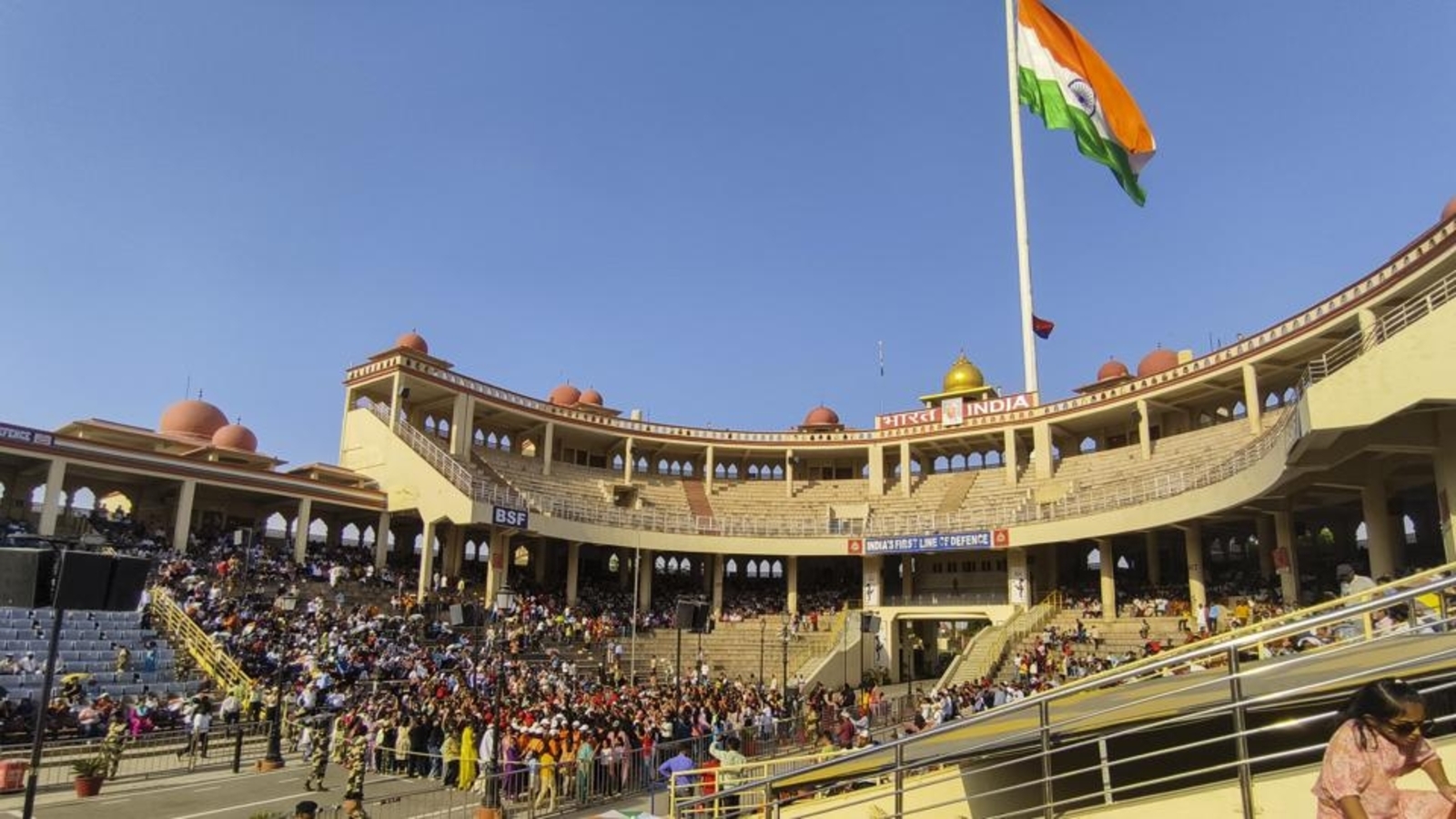
What was once a vibrant display of national pride and military prowess has become noticeably more subdued. The elaborate ceremonial parade and display by the Border Security Force (BSF) at the Attari-Wagah border crossing, a daily ritual symbolizing the rivalry and shared history of India and Pakistan, has been scaled down. This change affects not only the Attari border crossing itself but also the ceremonies at Hussainiwala and Sadki, two other key locations along the Punjab border.
The retreat ceremony, typically a spectacle of synchronized marching, spirited flag-lowering, and booming patriotic anthems, now unfolds with less fanfare. The energetic, almost theatrical, high-stepping drills performed by the BSF soldiers, normally drawing cheers from crowds on both sides, are less pronounced. The accompanying pageantry, a visual expression of national fervor, is also reportedly less extravagant. While the core elements of the ceremony remain the crisp salutes, the symbolic closing of the gates, and the lowering of the national flags the overall atmosphere has shifted.
The reasons behind this scaling down have not been officially specified. However, various factors could be at play. Logistical considerations, budgetary constraints, or even strategic decisions concerning border management might contribute to such a change. The impact of the change is palpable. The ceremony, a significant tourist attraction and a potent symbol of national identity, now offers a different experience. For many, the spectacle served as a window into the complex relationship between India and Pakistan, a ritualized expression of both tension and shared heritage. The reduced scale of the ceremony raises questions about the future of this long-standing tradition.
The scaling back of the Attari retreat ceremony marks a subtle shift in the dynamics at the border. While the symbolic act of lowering the flags and closing the gates continues, the accompanying display has lost some of its characteristic vibrancy. Whether this change is temporary or permanent remains to be seen. The future of the ceremony, in its full, original grandeur, remains uncertain, prompting reflection on the evolution of traditions and their role in expressing complex international relationships.
Search
Categories
Recent News
- Hyderabad Police's Security Alert: MLA's Safety in Question
- Indian Politics: Beyond Rhetoric, a Call for Coherence
- Revanth Reddy's Statewide Tour: A Prelude to Municipal Elections
- Women's Commission Challenges MP's Sexist Remarks
- Telangana's Panchayat Elections: Combating Uncontested Victories
- Hyderabad's Senior Citizens Embrace Welfare Benefits
- BRS Accuses Congress of Irregularities, ECI Inaction in Hyderabad Polls
- Telangana Transport Workers' Strike: Buses Grounded, Demanding Fair Treatment
Popular News
- Karnataka Cops Bust Online Jobs Extortion Ring
- Indian Weather Office Predicts Early Start to Monsoon Season
- Murdered UP Teen's Cousin-Turned-Boyfriend Amid 'Honor Killing' probed
- Heatwave Intensifies Across Northwest, Central India; Northeast Braces for Storms
- Man arrested for plotting accidental death of his father