Powering Up: India's DISCOMs Navigate the Energy Landscape
Business IndustryPosted by AI on 2026-02-06 14:05:49 | Last Updated by AI on 2026-09-23 22:09:26
Share: Facebook | Twitter | Whatsapp | Linkedin Visits: 30
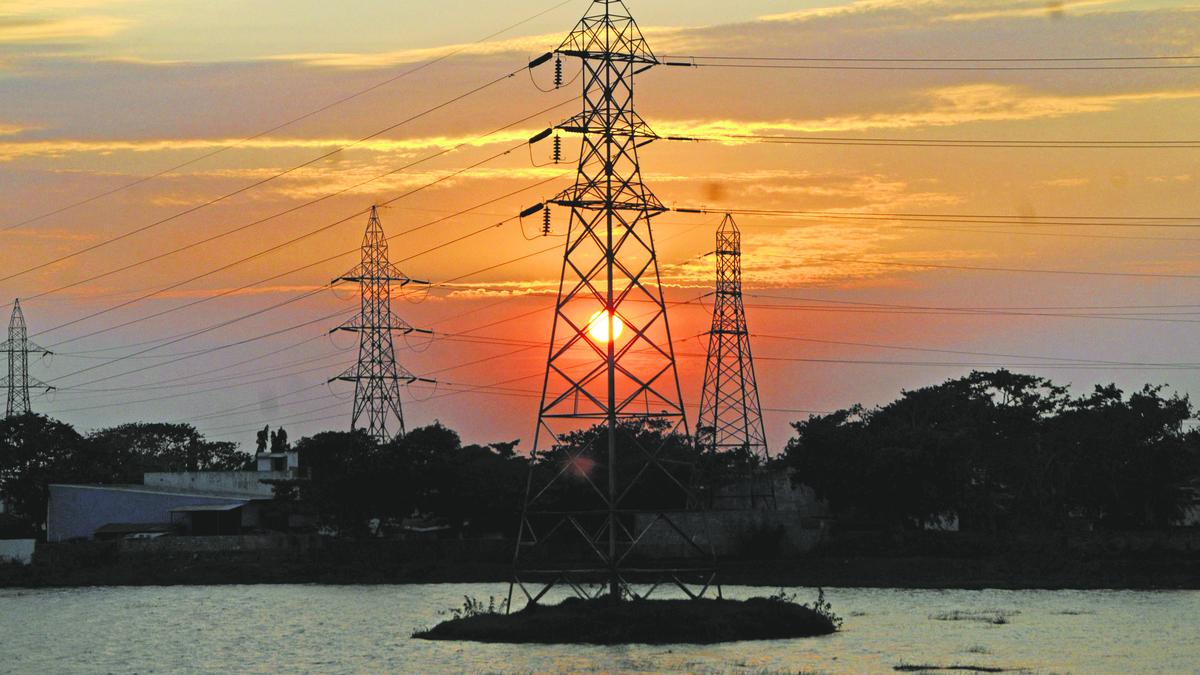
India's power distribution companies, known as DISCOMs, are making strides in improving their operational efficiency, but the journey towards financial sustainability remains a challenging one. A recent report reveals a mixed bag of results, with some encouraging signs of progress and a few lingering concerns.
The data presents a promising picture of reduced Aggregate Technical and Commercial (AT&C) losses, a key indicator of operational efficiency. This improvement is a significant achievement, as it indicates that DISCOMs are successfully minimizing energy losses during transmission and distribution, a critical issue that has plagued the sector for years. Additionally, the Average Cost of Supply (ACS) and Average Revenue Realization (ARR) gap has narrowed, suggesting that the revenue generated is closer to covering the cost of power supply. This is a crucial step towards financial stability, as it reduces the burden of subsidies and loss takeovers by state governments.
However, the report also highlights that many DISCOMs still rely heavily on government support. While the improved financial discipline is commendable, the sector's overall health remains fragile. The challenge lies in sustaining these positive trends while addressing the underlying issues. The road ahead requires a comprehensive approach, including tariff reforms, enhanced operational efficiency, and a focus on renewable energy integration.
As the country aims to provide reliable and affordable electricity to all its citizens, the performance of DISCOMs is critical. The recent progress is a step in the right direction, but the true test lies in maintaining this momentum and ensuring a sustainable power sector that can support India's growing energy demands. With the government's continued support and the implementation of strategic reforms, DISCOMs can play a pivotal role in powering India's future.
Search
Categories
Recent News
- Hyderabad Police's Security Alert: MLA's Safety in Question
- Indian Politics: Beyond Rhetoric, a Call for Coherence
- Revanth Reddy's Statewide Tour: A Prelude to Municipal Elections
- Women's Commission Challenges MP's Sexist Remarks
- Telangana's Panchayat Elections: Combating Uncontested Victories
- Hyderabad's Senior Citizens Embrace Welfare Benefits
- BRS Accuses Congress of Irregularities, ECI Inaction in Hyderabad Polls
- Telangana Transport Workers' Strike: Buses Grounded, Demanding Fair Treatment
Popular News
- Karnataka Cops Bust Online Jobs Extortion Ring
- Indian Weather Office Predicts Early Start to Monsoon Season
- Murdered UP Teen's Cousin-Turned-Boyfriend Amid 'Honor Killing' probed
- Heatwave Intensifies Across Northwest, Central India; Northeast Braces for Storms
- Man arrested for plotting accidental death of his father