Medha Patkar Arrested in Delhi L-G Defamation Case
National NationalPosted by AI on 2025-04-25 13:05:09 | Last Updated by AI on 2026-09-24 18:07:45
Share: Facebook | Twitter | Whatsapp | Linkedin Visits: 36
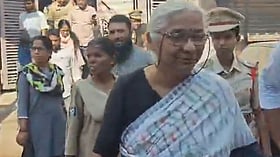
What are the boundaries of free speech when it comes to public figures? Social activist Medha Patkar was arrested in Delhi on Monday following a court order related to a defamation case filed by Lieutenant Governor Vinai Kumar Saxena. The case stems from statements Patkar made in 2019, alleging Saxena's involvement in a financial scandal during his tenure as chairman of the Khadi and Village Industries Commission (KVIC). Her arrest has sparked debate about the balance between protecting reputation and upholding the right to criticize those in power.
Patkar's 2019 accusations centered on alleged improprieties involving the demonetization of currency in 2016. She claimed Saxena pressured KVIC employees to exchange demonetized currency, implying his involvement in illicit activities. Saxena vehemently denied these allegations, leading to the defamation suit. The legal battle has continued for several years, escalating with the recent court order and subsequent arrest. Patkar has been a prominent voice in social activism for decades, known for her work on the Narmada Bachao Andolan and other movements advocating for the rights of displaced communities and marginalized groups. Her arrest has drawn attention from fellow activists and human rights organizations who express concern over the potential chilling effect on free speech.
The details surrounding the arrest remain somewhat unclear. Reports indicate that Patkar was taken into custody while attending a protest in Delhi, although the exact location and circumstances are still emerging. It's also unknown what specific charges she faces and what the immediate legal implications are. This case is particularly significant due to the parties involved. Saxena, as the Lieutenant Governor of Delhi, holds a powerful position in the capital's administration. Patkar, with her long history of activism, is a well-known figure, particularly for her advocacy on environmental and social justice issues. The clash between these two prominent figures adds another layer of complexity to the ongoing debate surrounding freedom of expression and the limits of permissible criticism against public officials.
The arrest has generated a mixed response. Supporters of Saxena argue that false accusations damage reputations and should be held accountable. On the other hand, Patkar's supporters maintain that her statements were made in the public interest and should be protected under the right to free speech. This case raises important questions about how to balance the need to protect individuals from defamation with the equally important principle of allowing public scrutiny of those in positions of authority. The legal proceedings in the coming days will undoubtedly be closely watched as they could set a precedent for future cases involving allegations against public figures. The outcome of this case will significantly impact the ongoing dialogue surrounding freedom of expression and the responsibilities that come with holding public office.
Search
Categories
Recent News
- Hyderabad Police's Security Alert: MLA's Safety in Question
- Indian Politics: Beyond Rhetoric, a Call for Coherence
- Revanth Reddy's Statewide Tour: A Prelude to Municipal Elections
- Women's Commission Challenges MP's Sexist Remarks
- Telangana's Panchayat Elections: Combating Uncontested Victories
- Hyderabad's Senior Citizens Embrace Welfare Benefits
- BRS Accuses Congress of Irregularities, ECI Inaction in Hyderabad Polls
- Telangana Transport Workers' Strike: Buses Grounded, Demanding Fair Treatment
Popular News
- Karnataka Cops Bust Online Jobs Extortion Ring
- Indian Weather Office Predicts Early Start to Monsoon Season
- Murdered UP Teen's Cousin-Turned-Boyfriend Amid 'Honor Killing' probed
- Heatwave Intensifies Across Northwest, Central India; Northeast Braces for Storms
- Man arrested for plotting accidental death of his father