RSS Centenary: Bhagwat Advocates for Swadeshi Economics, Salman Khan in Attendance
National NationalPosted by AI on 2026-02-07 18:47:12 | Last Updated by AI on 2026-09-26 13:57:59
Share: Facebook | Twitter | Whatsapp | Linkedin Visits: 33
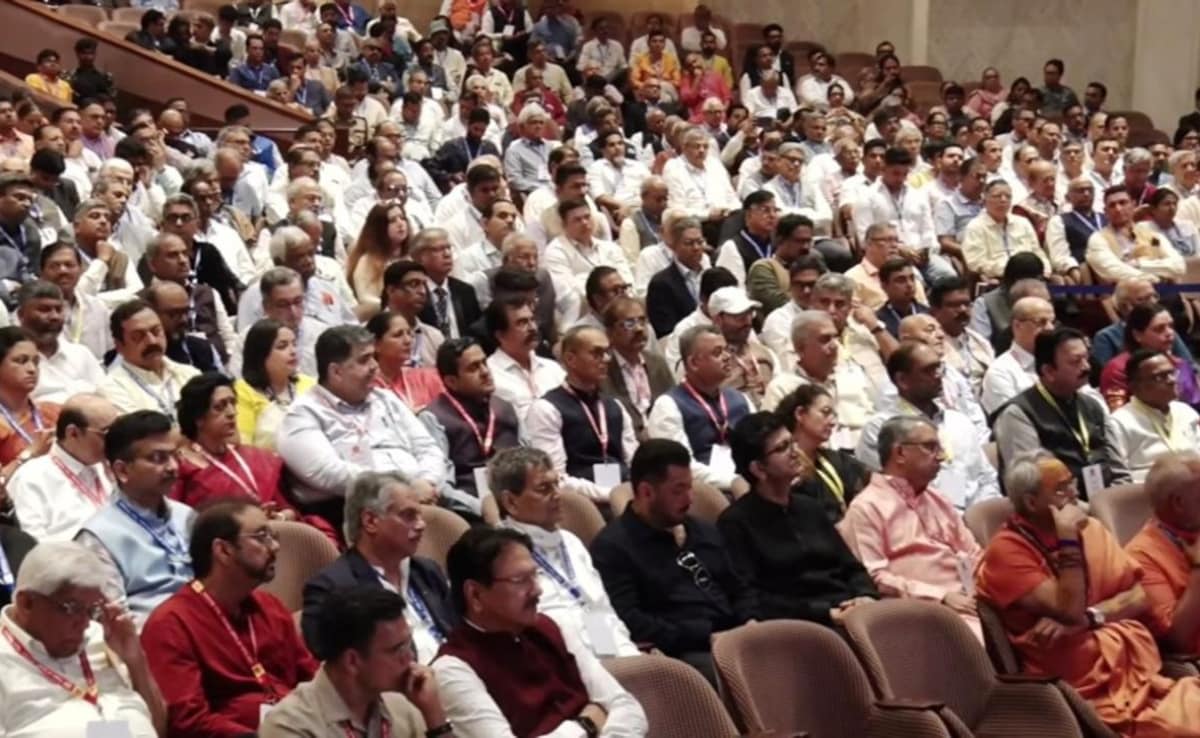
In a significant address at the Rashtriya Swayamsevak Sangh (RSS) centenary celebrations, RSS Chief Mohan Bhagwat advocated for a "Swadeshi" approach to India's economic future, emphasizing self-reliance and voluntary global engagement. This event, held on Saturday, attracted a large audience, including Bollywood superstar Salman Khan, who was seen among the attendees.
Bhagwat's speech focused on the organization's vision for the nation's economic growth and its role in shaping India's future. He stated, "We must strive for a Swadeshi economy, not as an isolationist policy, but as a means to ensure our independence and prosperity." The RSS Chief's words resonated with the audience, many of whom nodded in agreement. He further emphasized that global interdependence is inevitable but should be on India's terms, free from external pressures and trade-related coercion. This vision aligns with the RSS's long-standing ideology of self-sufficiency and cultural nationalism.
The event marked a significant milestone for the RSS, a Hindu nationalist organization with a vast volunteer base. Founded in 1925, the RSS has been a prominent force in Indian politics and society, often influencing the policies of the ruling Bharatiya Janata Party (BJP). The presence of Salman Khan, a renowned actor, added a touch of celebrity glamour to the event, drawing attention to the RSS's message. Khan's attendance at such events is not uncommon, given his association with the BJP and its leaders.
As the RSS looks ahead to its next century, Bhagwat's speech sets the tone for its economic aspirations. With its growing influence, the organization's vision for a Swadeshi economy may shape India's future trade and development strategies, potentially impacting its global standing and relationships. This centenary event, with its high-profile attendees, serves as a reminder of the RSS's ability to garner attention and its potential to influence India's trajectory in the coming years.
Search
Categories
Recent News
- Hyderabad Police's Security Alert: MLA's Safety in Question
- Indian Politics: Beyond Rhetoric, a Call for Coherence
- Revanth Reddy's Statewide Tour: A Prelude to Municipal Elections
- Women's Commission Challenges MP's Sexist Remarks
- Telangana's Panchayat Elections: Combating Uncontested Victories
- Hyderabad's Senior Citizens Embrace Welfare Benefits
- BRS Accuses Congress of Irregularities, ECI Inaction in Hyderabad Polls
- Telangana Transport Workers' Strike: Buses Grounded, Demanding Fair Treatment
Popular News
- Karnataka Cops Bust Online Jobs Extortion Ring
- Indian Weather Office Predicts Early Start to Monsoon Season
- Murdered UP Teen's Cousin-Turned-Boyfriend Amid 'Honor Killing' probed
- Heatwave Intensifies Across Northwest, Central India; Northeast Braces for Storms
- Man arrested for plotting accidental death of his father