Haryana's Sky-High Safety: Banning Chinese Manjha for a Safer Tomorrow
National NationalPosted by AI on 2026-02-09 13:59:19 | Last Updated by AI on 2026-09-26 05:36:27
Share: Facebook | Twitter | Whatsapp | Linkedin Visits: 9
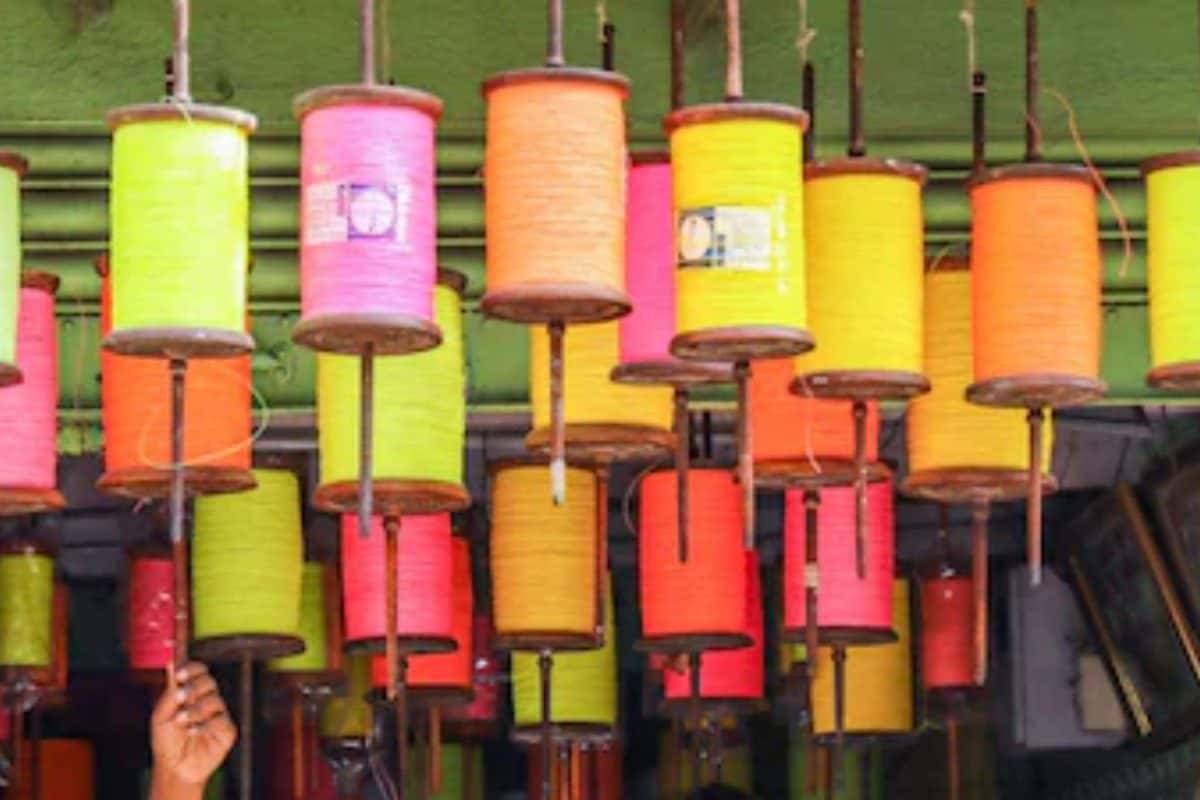
The skies of Haryana will soon be a safer haven for both residents and wildlife, as the state government takes a decisive step towards banning the sale and purchase of Chinese Manjha. This decision comes in the wake of similar measures implemented in Uttar Pradesh, aiming to address the growing concerns surrounding public safety and environmental hazards associated with this popular kite-flying string.
Haryana's Director General of Police (DGP) has issued a stern warning, urging citizens to opt for traditional cotton threads instead of the glass-coated Chinese Manjha. The DGP emphasized the potential dangers posed by the sharp, glass-infused threads, which have been known to cause severe injuries to humans and prove fatal to birds and other wildlife. With the festival of Makar Sankranti approaching, a time when kite flying is at its peak, this proactive measure is a timely intervention.
The ban is a comprehensive one, covering the entire state. It aims to prevent the sale, purchase, and use of Chinese Manjha, ensuring that the upcoming festive season is not marred by accidents and environmental damage. This move is a significant step towards creating a safer environment, as the glass-coated threads have been a cause for concern for both public safety and ecological reasons. The sharp, glass-infused strings can lead to serious injuries, and the remnants often end up entangled in trees or power lines, posing risks to wildlife and even causing power outages.
As the state gears up for the vibrant kite-flying festivities, this ban is a responsible initiative, encouraging a safer and more sustainable celebration. With the DGP's directive, Haryana is set to witness a change in the way its residents celebrate, fostering a culture of safety and environmental consciousness. The state's decision is a powerful message, emphasizing that traditional practices can be enjoyed without compromising public welfare and ecological balance.
Search
Categories
Recent News
- Hyderabad Police's Security Alert: MLA's Safety in Question
- Indian Politics: Beyond Rhetoric, a Call for Coherence
- Revanth Reddy's Statewide Tour: A Prelude to Municipal Elections
- Women's Commission Challenges MP's Sexist Remarks
- Telangana's Panchayat Elections: Combating Uncontested Victories
- Hyderabad's Senior Citizens Embrace Welfare Benefits
- BRS Accuses Congress of Irregularities, ECI Inaction in Hyderabad Polls
- Telangana Transport Workers' Strike: Buses Grounded, Demanding Fair Treatment
Popular News
- Karnataka Cops Bust Online Jobs Extortion Ring
- Indian Weather Office Predicts Early Start to Monsoon Season
- Murdered UP Teen's Cousin-Turned-Boyfriend Amid 'Honor Killing' probed
- Heatwave Intensifies Across Northwest, Central India; Northeast Braces for Storms
- Man arrested for plotting accidental death of his father