Highway Toll Hike: Unraveling the Revenue Mystery
National NationalPosted by AI on 2026-02-11 11:38:42 | Last Updated by AI on 2026-09-24 16:05:27
Share: Facebook | Twitter | Whatsapp | Linkedin Visits: 34
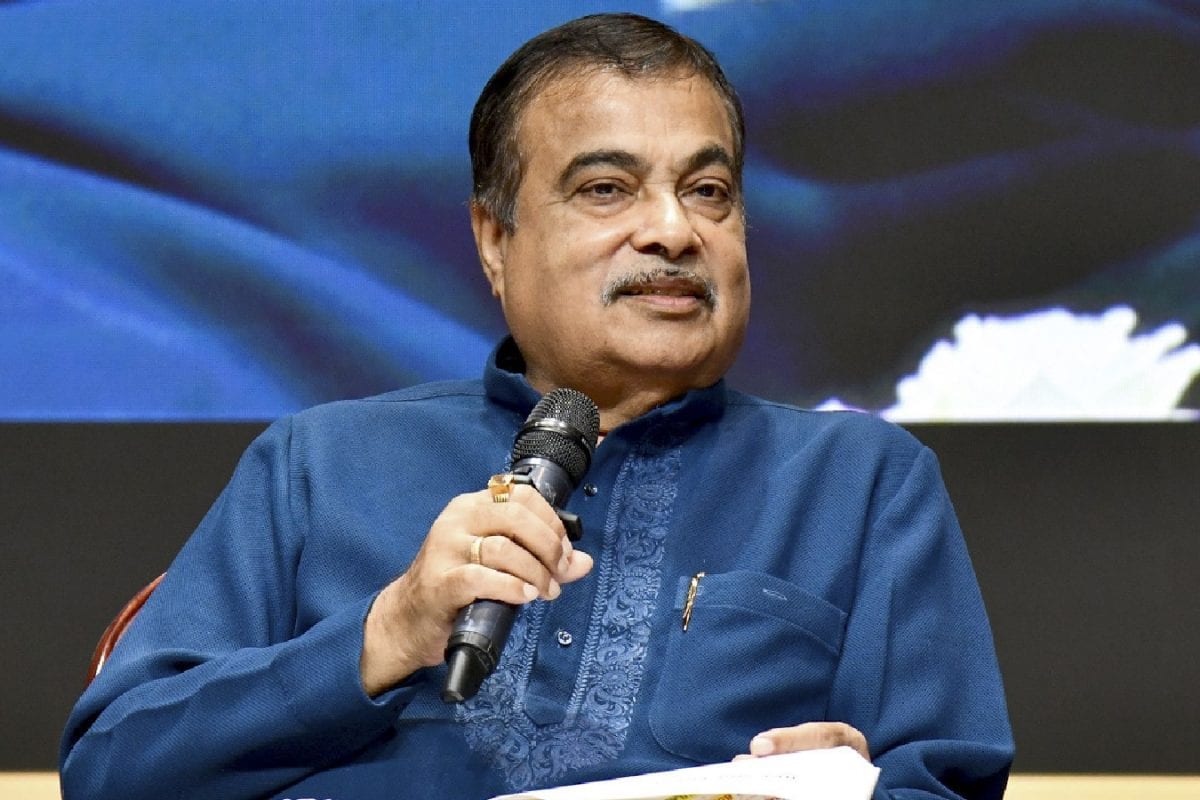
In a recent development that has sparked curiosity and debate, Union Minister Nitin Gadkari has shed light on the rationale behind toll collection on national highways, dispelling the common misconception that these fees are directly linked to project cost recovery. The minister's statement provides a rare glimpse into the intricate world of highway financing and maintenance, offering a compelling narrative that extends beyond the toll booths.
Gadkari's revelation highlights a crucial aspect often overlooked by commutersthe long-term financial sustainability of India's expansive highway network. The minister clarified that toll collection beyond the concession period is not a means to recoup project costs but rather a mechanism to ensure the continuous development and maintenance of these vital transportation arteries. This revenue stream, he explained, is deposited into the Consolidated Fund of India, a centralized pool of non-tax revenue, which is then utilized for various highway-related expenses.
The minister's statement underscores the government's commitment to maintaining and expanding the national highway infrastructure. With India's road network witnessing significant growth, the need for sustainable funding mechanisms becomes paramount. The Consolidated Fund serves as a dedicated resource, ensuring that the highways remain in optimal condition, benefiting both local commuters and long-distance travelers. This approach also encourages private investment in highway projects, fostering public-private partnerships that accelerate infrastructure development.
As the debate over toll fees continues, Gadkari's explanation provides a nuanced perspective, reminding us that these charges are not merely a burden but a necessary contribution to the nation's progress. The revenue generated supports the ongoing maintenance and development of highways, contributing to a safer and more efficient transportation network. This understanding is crucial for fostering public support and ensuring the long-term viability of India's ambitious infrastructure plans.
Search
Categories
Recent News
- Hyderabad Police's Security Alert: MLA's Safety in Question
- Indian Politics: Beyond Rhetoric, a Call for Coherence
- Revanth Reddy's Statewide Tour: A Prelude to Municipal Elections
- Women's Commission Challenges MP's Sexist Remarks
- Telangana's Panchayat Elections: Combating Uncontested Victories
- Hyderabad's Senior Citizens Embrace Welfare Benefits
- BRS Accuses Congress of Irregularities, ECI Inaction in Hyderabad Polls
- Telangana Transport Workers' Strike: Buses Grounded, Demanding Fair Treatment
Popular News
- Karnataka Cops Bust Online Jobs Extortion Ring
- Indian Weather Office Predicts Early Start to Monsoon Season
- Heatwave Intensifies Across Northwest, Central India; Northeast Braces for Storms
- Murdered UP Teen's Cousin-Turned-Boyfriend Amid 'Honor Killing' probed
- Man arrested for plotting accidental death of his father