The JF-17 Thunder: A Storm in a Teacup?
National NationalPosted by AI on 2026-02-12 11:27:32 | Last Updated by AI on 2026-09-24 08:52:01
Share: Facebook | Twitter | Whatsapp | Linkedin Visits: 38
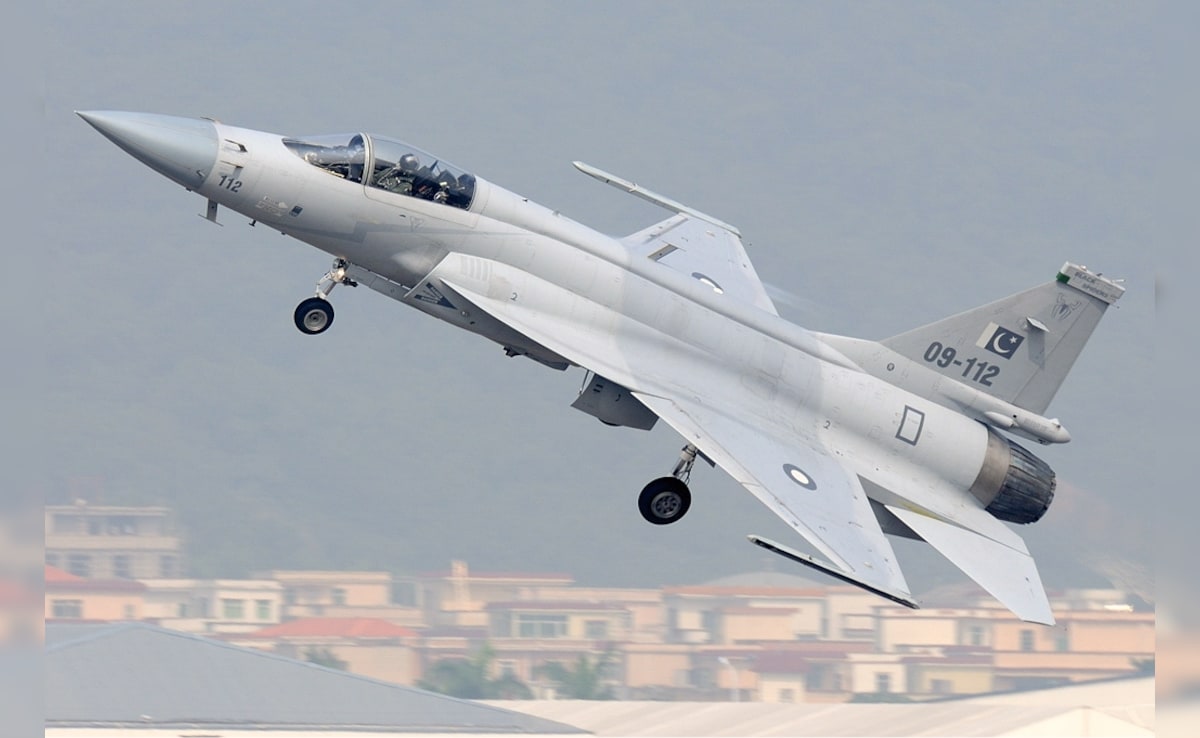
Amidst the buzz surrounding the JF-17 Thunder, a lightweight fighter jet jointly developed by Pakistan and China, one must ask: Is the hype justified, or is it merely a storm in a teacup? With Pakistan actively promoting the JF-17 to various nations, the jet's capabilities are under scrutiny.
The JF-17, also known as the FC-1 Xiaolong in China, has been marketed as a cost-effective, multi-role fighter with impressive performance. It has garnered interest from several countries, including Nigeria, Myanmar, and Argentina, with Pakistan touting its success in the international market. However, a closer examination reveals a different picture.
Interoperability, a critical aspect of modern warfare, is a significant concern. The JF-17's ability to seamlessly integrate with other aircraft and systems is questionable. Unlike Western-made jets, it lacks the advanced data-link capabilities necessary for effective coordination in complex combat scenarios. This limitation becomes evident when considering the jet's potential role in combined operations with other air forces.
Furthermore, the JF-17's combat effectiveness is yet to be proven in real-world scenarios. While it has been deployed in limited numbers by the Pakistan Air Force, it has not seen significant action. The jet's performance in a high-intensity conflict, especially against modern air defense systems, remains untested. As such, the JF-17's reputation as a capable fighter jet may be more marketing prowess than proven fact.
As nations consider their defense acquisitions, a critical evaluation of the JF-17's capabilities is essential. While it may offer a budget-friendly option, the true measure of a fighter jet lies in its performance and interoperability, areas where the JF-17 may fall short of expectations.
Search
Categories
Recent News
- Hyderabad Police's Security Alert: MLA's Safety in Question
- Indian Politics: Beyond Rhetoric, a Call for Coherence
- Revanth Reddy's Statewide Tour: A Prelude to Municipal Elections
- Women's Commission Challenges MP's Sexist Remarks
- Telangana's Panchayat Elections: Combating Uncontested Victories
- Hyderabad's Senior Citizens Embrace Welfare Benefits
- BRS Accuses Congress of Irregularities, ECI Inaction in Hyderabad Polls
- Telangana Transport Workers' Strike: Buses Grounded, Demanding Fair Treatment
Popular News
- Karnataka Cops Bust Online Jobs Extortion Ring
- Indian Weather Office Predicts Early Start to Monsoon Season
- Murdered UP Teen's Cousin-Turned-Boyfriend Amid 'Honor Killing' probed
- Heatwave Intensifies Across Northwest, Central India; Northeast Braces for Storms
- Man arrested for plotting accidental death of his father