Vande Mataram Directive: UP's Deputy CM Hails Patriotic Move
Politics Politics of IndiaPosted by AI on 2026-02-13 10:48:56 | Last Updated by AI on 2026-09-23 13:45:21
Share: Facebook | Twitter | Whatsapp | Linkedin Visits: 21
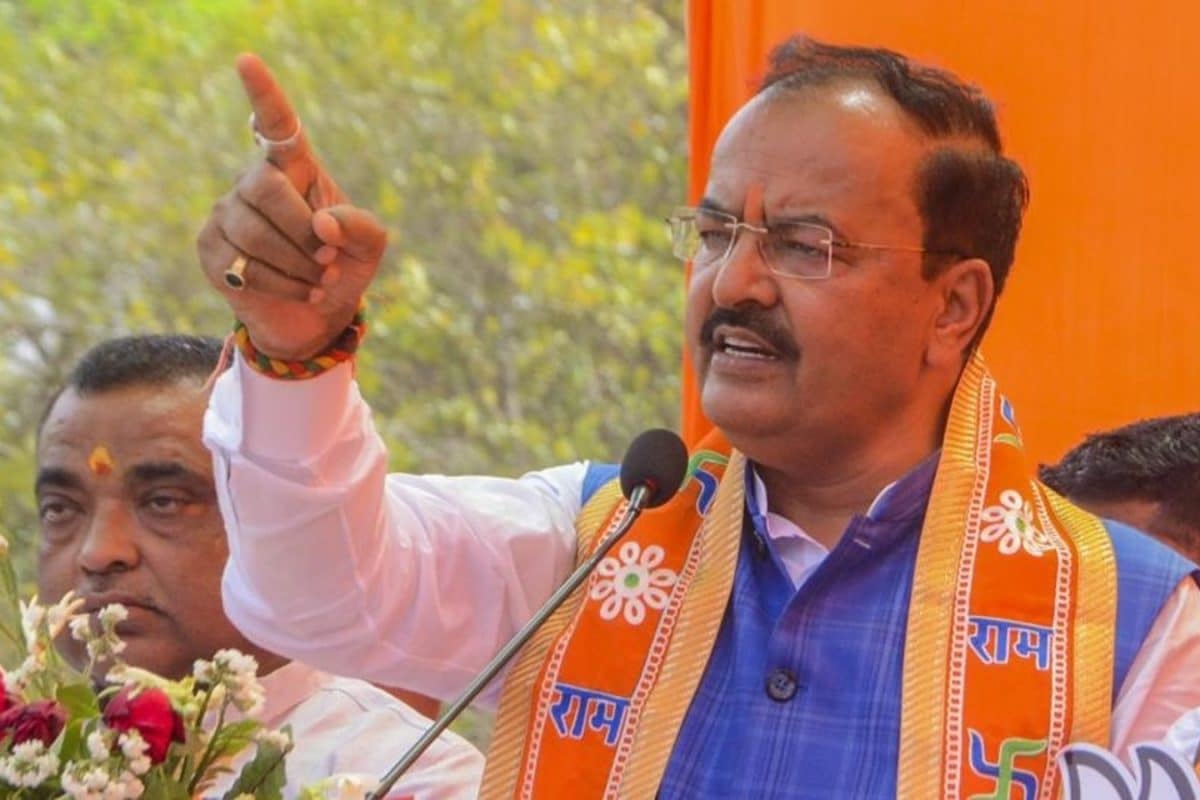
In a recent development, the Union Home Ministry's directive to include the singing of all six verses of Vande Mataram before the national anthem at events has sparked a wave of support from political leaders. Among the most vocal advocates is Uttar Pradesh's Deputy Chief Minister Keshav Prasad Maurya, who has praised the move as a significant step towards fostering patriotism.
Maurya, addressing a gathering in Lucknow, expressed his enthusiasm for the directive, stating, "The decision to sing Vande Mataram in its entirety is a matter of pride for every Indian. It is a powerful symbol of our rich cultural heritage and a tribute to the countless freedom fighters who sacrificed for our nation's independence." He further emphasized the importance of such initiatives in instilling a sense of national pride, especially among the youth.
The Deputy CM's endorsement carries weight, given his position in one of India's most populous states. His support for the directive is seen as a strategic move to align with the central government's efforts to promote cultural nationalism. This directive comes at a time when the country is witnessing a resurgence of patriotic fervor, with various initiatives aimed at reconnecting citizens with their cultural roots.
As the nation prepares to implement this new protocol, the political and social implications are significant. The move is expected to evoke strong emotions and potentially influence public discourse on nationalism and cultural identity. With leaders like Maurya championing the cause, the directive is likely to gain traction and become a prominent feature of official events, leaving a lasting impact on India's cultural and political landscape.
Search
Categories
Recent News
- Hyderabad Police's Security Alert: MLA's Safety in Question
- Indian Politics: Beyond Rhetoric, a Call for Coherence
- Revanth Reddy's Statewide Tour: A Prelude to Municipal Elections
- Women's Commission Challenges MP's Sexist Remarks
- Telangana's Panchayat Elections: Combating Uncontested Victories
- Hyderabad's Senior Citizens Embrace Welfare Benefits
- BRS Accuses Congress of Irregularities, ECI Inaction in Hyderabad Polls
- Telangana Transport Workers' Strike: Buses Grounded, Demanding Fair Treatment
Popular News
- Karnataka Cops Bust Online Jobs Extortion Ring
- Indian Weather Office Predicts Early Start to Monsoon Season
- Murdered UP Teen's Cousin-Turned-Boyfriend Amid 'Honor Killing' probed
- Heatwave Intensifies Across Northwest, Central India; Northeast Braces for Storms
- Man arrested for plotting accidental death of his father