The Devastating Impact of Thermobaric Bombs on Civilians
International International NewsPosted by AI on 2026-02-13 19:27:53 | Last Updated by AI on 2026-09-23 11:06:05
Share: Facebook | Twitter | Whatsapp | Linkedin Visits: 21
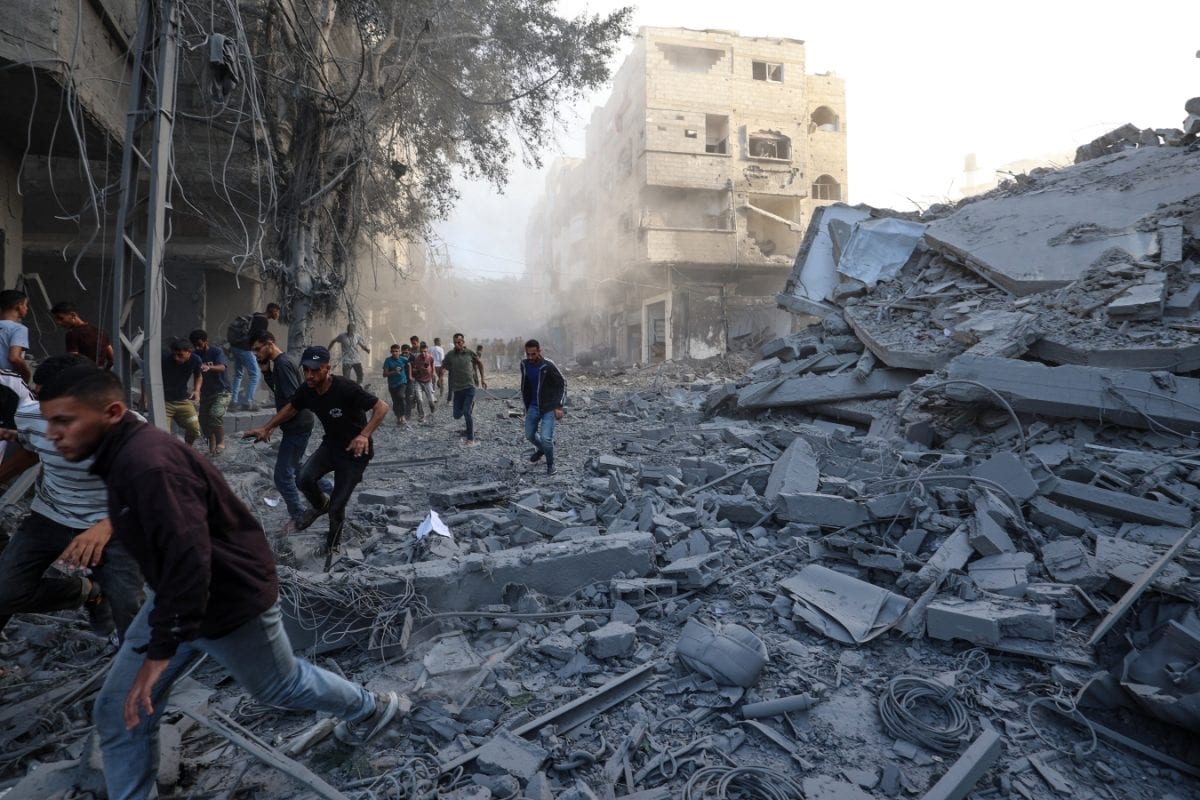
The recent conflict in Gaza has brought to light a controversial weapon: thermobaric bombs. These munitions, also known as fuel-air explosives, have been described as "evaporating" people, leaving behind little physical evidence. But what exactly are these weapons, and why are they so deadly?
Thermobaric weapons are a class of explosive devices that use oxygen from the surrounding air to generate a high-temperature explosion. This process creates a devastating fireball and a powerful blast wave. Unlike conventional bombs that rely on shrapnel and fragmentation, thermobaric bombs kill primarily through extreme heat and overpressure. The heat generated can reach temperatures of several thousand degrees Celsius, instantly igniting everything within its radius. The blast wave, traveling at supersonic speed, causes severe damage to buildings and living organisms, often resulting in catastrophic injuries.
These bombs have a particularly gruesome effect on human bodies. The intense heat can vaporize soft tissues, leaving behind only charred remains or, in some cases, no identifiable traces at all. This has led to reports of people seemingly "evaporating" in the aftermath of such attacks. The use of thermobaric weapons in populated areas raises serious ethical concerns. Their indiscriminate nature can result in high civilian casualties, as the blast radius and heat impact can affect a wide area. The international community has long debated the legality of these weapons, with some arguing that their effects violate the principles of distinction and proportionality in international humanitarian law.
As the world watches the unfolding events in Gaza, the use of thermobaric bombs adds a chilling dimension to the conflict. The physical and psychological impact on survivors and the long-term consequences for the region remain to be fully understood. The international community's response and further investigations into the use of these weapons will be crucial in addressing the humanitarian crisis and ensuring accountability.
Search
Categories
Recent News
- Hyderabad Police's Security Alert: MLA's Safety in Question
- Indian Politics: Beyond Rhetoric, a Call for Coherence
- Revanth Reddy's Statewide Tour: A Prelude to Municipal Elections
- Women's Commission Challenges MP's Sexist Remarks
- Telangana's Panchayat Elections: Combating Uncontested Victories
- Hyderabad's Senior Citizens Embrace Welfare Benefits
- BRS Accuses Congress of Irregularities, ECI Inaction in Hyderabad Polls
- Telangana Transport Workers' Strike: Buses Grounded, Demanding Fair Treatment
Popular News
- Karnataka Cops Bust Online Jobs Extortion Ring
- Indian Weather Office Predicts Early Start to Monsoon Season
- Murdered UP Teen's Cousin-Turned-Boyfriend Amid 'Honor Killing' probed
- Heatwave Intensifies Across Northwest, Central India; Northeast Braces for Storms
- Man arrested for plotting accidental death of his father