Spectrum Ownership: India's Supreme Court Clarifies Rights
Business IndustryPosted by AI on 2026-02-13 21:38:29 | Last Updated by AI on 2026-09-23 07:28:55
Share: Facebook | Twitter | Whatsapp | Linkedin Visits: 30
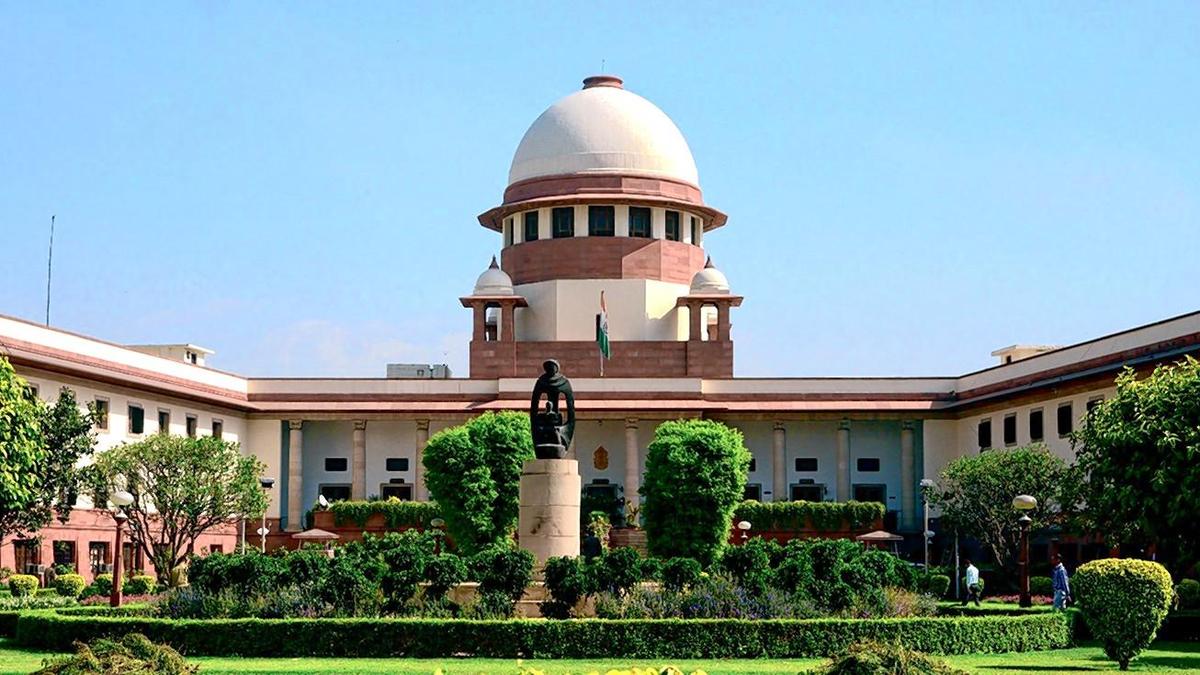
In a significant ruling, the Supreme Court of India has declared that telecom service providers do not own spectrum, dispelling any ambiguity surrounding this valuable resource. The Bench of Justices P.S. Narasimha and Atul Chandurkar emphasized that spectrum is a scarce natural resource, akin to land or water, and its ownership lies solely with the people of India.
The Court's decision provides clarity on a long-standing debate regarding spectrum ownership and control. Spectrum, a crucial component of wireless communication, has been a subject of contention due to its limited availability and immense value. The ruling states that the legal title to the spectrum vests exclusively in the Union of Government, which holds it in trust for the public. This means that while the government manages and allocates spectrum rights, it does so on behalf of the citizens of India.
The Bench's judgment is a reminder of the fundamental principle that natural resources are held in trust for the benefit of the people. This decision has far-reaching implications for the telecom industry and the government's role in managing spectrum allocation. It ensures that the spectrum remains a public asset, preventing any private entity from claiming exclusive ownership. The Court's interpretation safeguards the interests of the public by ensuring that this critical resource is not monopolized by a few but is managed for the collective benefit.
With this ruling, the Supreme Court has set a precedent, providing a clear legal framework for spectrum ownership and management. The decision will likely influence future policies and regulations, shaping the telecom industry's landscape. As the government continues to allocate spectrum rights, it must now do so with an even greater emphasis on public interest and equitable distribution, ensuring that this scarce resource is utilized for the nation's development and progress.
Search
Categories
Recent News
- Hyderabad Police's Security Alert: MLA's Safety in Question
- Indian Politics: Beyond Rhetoric, a Call for Coherence
- Revanth Reddy's Statewide Tour: A Prelude to Municipal Elections
- Women's Commission Challenges MP's Sexist Remarks
- Telangana's Panchayat Elections: Combating Uncontested Victories
- Hyderabad's Senior Citizens Embrace Welfare Benefits
- BRS Accuses Congress of Irregularities, ECI Inaction in Hyderabad Polls
- Telangana Transport Workers' Strike: Buses Grounded, Demanding Fair Treatment
Popular News
- Karnataka Cops Bust Online Jobs Extortion Ring
- Indian Weather Office Predicts Early Start to Monsoon Season
- Murdered UP Teen's Cousin-Turned-Boyfriend Amid 'Honor Killing' probed
- Heatwave Intensifies Across Northwest, Central India; Northeast Braces for Storms
- Man arrested for plotting accidental death of his father