Hezbollah's Disarmament: A Distant Prospect?
International International NewsPosted by AI on 2025-04-29 22:20:08 | Last Updated by AI on 2026-09-24 16:01:58
Share: Facebook | Twitter | Whatsapp | Linkedin Visits: 33
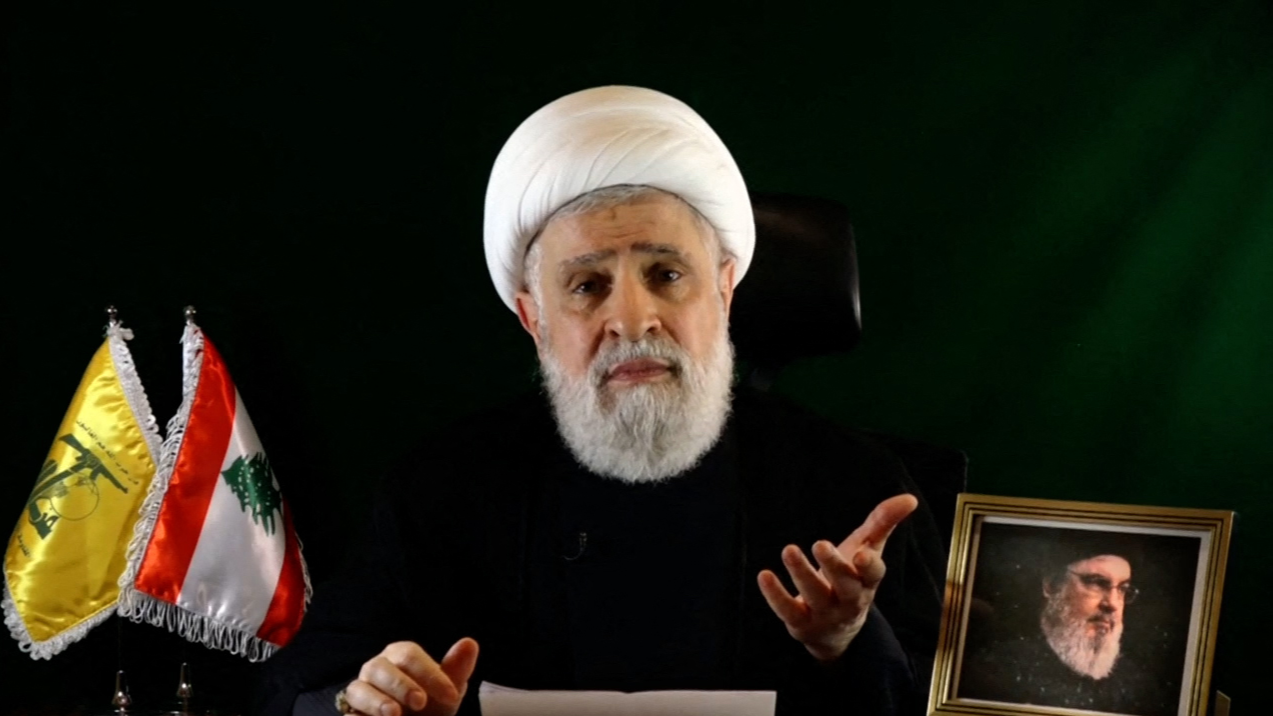
Can Hezbollah's grip on power be loosened? Israel and the United States are intensifying pressure for the Lebanese militant group's disarmament, a long-standing demand now taking center stage. But the path to achieving this goal, if it's even attainable, remains shrouded in uncertainty and fraught with complexity.
Hezbollah, a powerful political and military force deeply entrenched in Lebanon's intricate socio-political landscape, has long been a source of regional instability. Its vast arsenal, estimated to include over 100,000 rockets and missiles, poses a significant threat to Israel, fueling a cycle of conflict and escalating tensions. The group's influence extends deep into Lebanese institutions, further complicating efforts to disarm it.
The international community, spearheaded by the US and Israel, is renewing its push for Hezbollah's disarmament. Sanctions have been tightened, diplomatic pressure amplified, and the rhetoric sharpened. The argument is clear: a heavily armed non-state actor operating within a sovereign nation presents an unacceptable security risk. However, the question of how to effectively disarm Hezbollah without igniting further conflict remains a daunting challenge.
Within Lebanon, the issue of Hezbollah's weapons divides public opinion. While some view the group as a legitimate resistance movement against Israeli aggression, others see it as a destabilizing force hindering the country's progress and sovereignty. The complex sectarian dynamics within Lebanon, where Hezbollah represents a significant portion of the Shia population, add another layer of complexity. Disarming the group requires navigating these delicate sectarian balances, mitigating the risk of internal strife, and addressing the underlying grievances that fuel support for Hezbollah.
Furthermore, the regional context plays a crucial role. Hezbollah's involvement in regional conflicts, particularly in Syria, has further solidified its military capabilities and deepened its alliances with regional powers. These external factors complicate the disarmament process, as it becomes intertwined with broader geopolitical considerations and regional power struggles.
The path to disarming Hezbollah is fraught with obstacles, and the likelihood of swift progress is slim. Any successful strategy will necessitate a comprehensive approach that addresses the root causes of the group's power, including its social and political influence, while simultaneously engaging with regional actors and addressing the complex security concerns. The international community's pressure, while crucial, must be coupled with a nuanced understanding of Lebanon's internal dynamics and regional geopolitical realities. The future of Lebanon's stability hangs in the balance, and the question of Hezbollah's disarmament remains a critical, yet elusive, piece of the puzzle. The long road ahead demands careful diplomacy, strategic engagement, and a commitment to addressing the complex factors that perpetuate the status quo.
Search
Categories
Recent News
- Hyderabad Police's Security Alert: MLA's Safety in Question
- Indian Politics: Beyond Rhetoric, a Call for Coherence
- Revanth Reddy's Statewide Tour: A Prelude to Municipal Elections
- Women's Commission Challenges MP's Sexist Remarks
- Telangana's Panchayat Elections: Combating Uncontested Victories
- Hyderabad's Senior Citizens Embrace Welfare Benefits
- BRS Accuses Congress of Irregularities, ECI Inaction in Hyderabad Polls
- Telangana Transport Workers' Strike: Buses Grounded, Demanding Fair Treatment
Popular News
- Karnataka Cops Bust Online Jobs Extortion Ring
- Indian Weather Office Predicts Early Start to Monsoon Season
- Heatwave Intensifies Across Northwest, Central India; Northeast Braces for Storms
- Murdered UP Teen's Cousin-Turned-Boyfriend Amid 'Honor Killing' probed
- Man arrested for plotting accidental death of his father