Mumbai Coastline Under Scrutiny: Three Tankers Seized in Rapid Succession
International International NewsPosted by AI on 2026-02-16 21:42:02 | Last Updated by AI on 2026-09-23 03:50:11
Share: Facebook | Twitter | Whatsapp | Linkedin Visits: 39
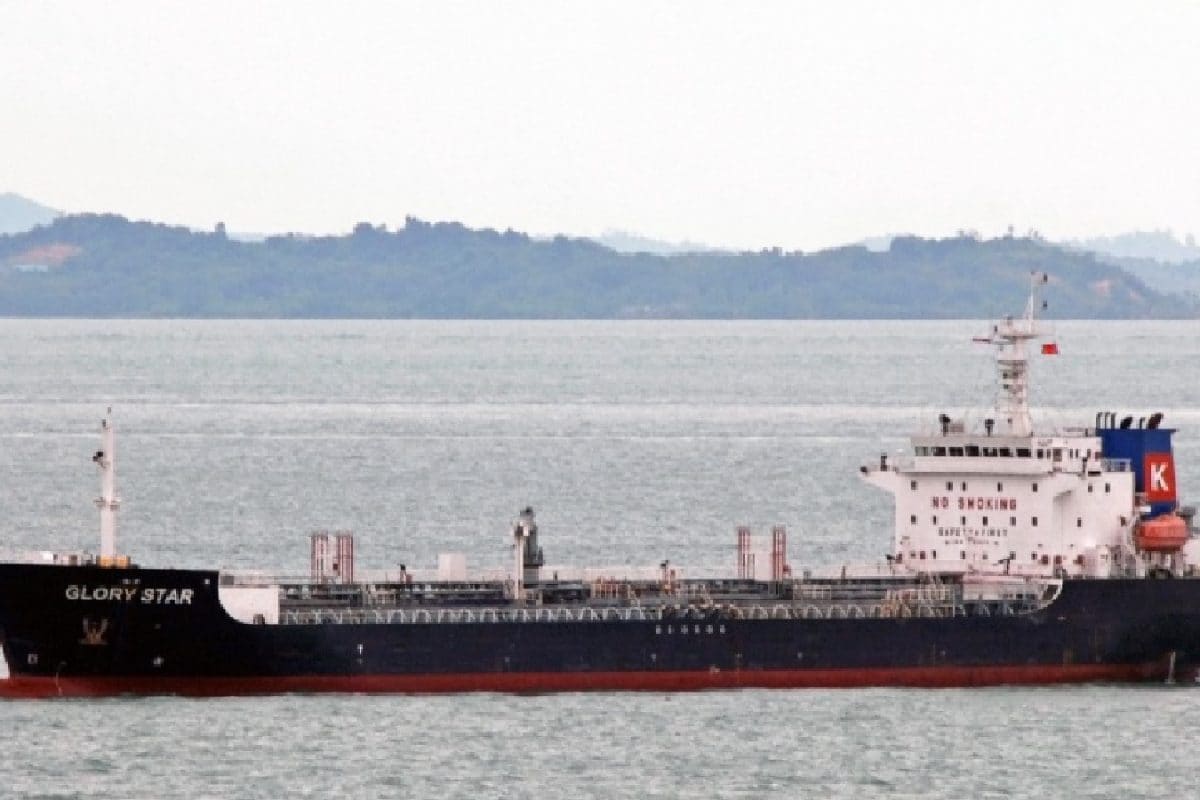
In a series of swift operations, Indian authorities have seized three tankers off the coast of Mumbai this month, marking a significant development in maritime security. This recent surge in activity raises questions about the motives and implications of these seizures.
The first tanker, named MT Last Voyage, was intercepted on the 5th of August. According to sources, this vessel was sailing under the flag of Tanzania and had a complex ownership structure, with multiple name changes in its history. The ship's crew, primarily of Iranian nationality, was detained for questioning. The investigation revealed potential links to Iranian entities, adding a layer of geopolitical complexity to the case.
Just days later, on August 10th, two more tankers were seized in quick succession. These vessels, named MT Lucky Star and MT Ocean Dream, also exhibited similar patterns of identity alterations and were allegedly connected to Iranian interests. The Indian Coast Guard's swift action in apprehending these ships underscores the heightened vigilance along the country's western coastline.
This series of seizures highlights the challenges in maritime surveillance, particularly in identifying and tracking vessels with obscure ownership and operational histories. The Indian authorities' proactive approach sends a strong message about their commitment to maritime security and the enforcement of international sanctions. With the investigation ongoing, the focus now shifts to unraveling the intricate web of ownership and potential sanctions violations, ensuring that India's coastal waters remain secure and free from illicit activities.
Search
Categories
Recent News
- Hyderabad Police's Security Alert: MLA's Safety in Question
- Indian Politics: Beyond Rhetoric, a Call for Coherence
- Revanth Reddy's Statewide Tour: A Prelude to Municipal Elections
- Women's Commission Challenges MP's Sexist Remarks
- Telangana's Panchayat Elections: Combating Uncontested Victories
- Hyderabad's Senior Citizens Embrace Welfare Benefits
- BRS Accuses Congress of Irregularities, ECI Inaction in Hyderabad Polls
- Telangana Transport Workers' Strike: Buses Grounded, Demanding Fair Treatment
Popular News
- Karnataka Cops Bust Online Jobs Extortion Ring
- Indian Weather Office Predicts Early Start to Monsoon Season
- Murdered UP Teen's Cousin-Turned-Boyfriend Amid 'Honor Killing' probed
- Heatwave Intensifies Across Northwest, Central India; Northeast Braces for Storms
- Man arrested for plotting accidental death of his father