Canada's Ambitious Trade Vision: A New Global Economic Powerhouse
International International NewsPosted by AI on 2026-02-16 22:49:40 | Last Updated by AI on 2026-09-23 03:49:20
Share: Facebook | Twitter | Whatsapp | Linkedin Visits: 33
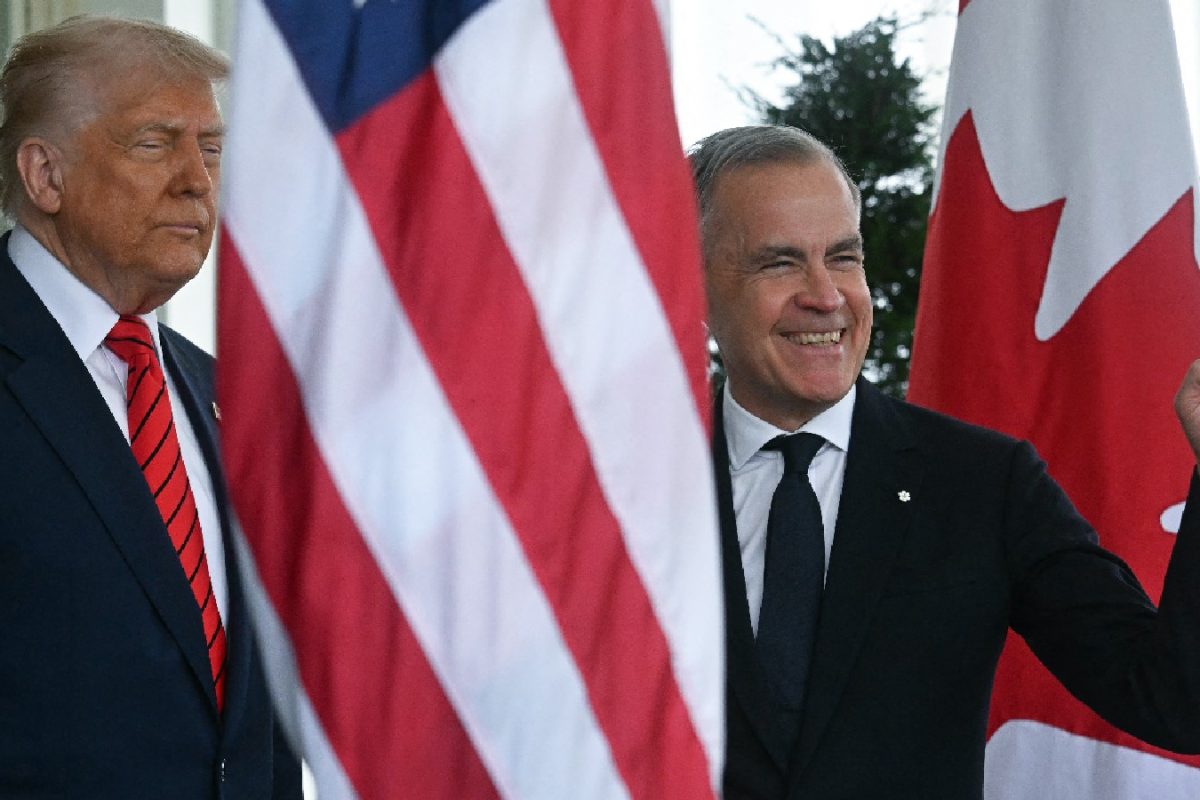
In a bold move to counter US protectionism, Canada is spearheading an initiative to create one of the world's largest trading blocs, potentially reshaping global economic alliances. Mark Carney, the former Bank of England governor, is at the forefront of these discussions, advocating for a groundbreaking trade partnership between the European Union (EU) and the Comprehensive and Progressive Agreement for Trans-Pacific Partnership (CPTPP). This proposed alliance would unite over 1.5 billion consumers, a market size that rivals the United States and China.
The impetus for this ambitious plan stems from the ongoing trade tensions between Canada and the US. President Trump's recent threats to impose tariffs on Canadian aluminum have prompted Canada to seek new economic alliances. By merging the CPTPP, which includes countries like Japan, Australia, and Mexico, with the EU, Canada envisions a powerful trading bloc that could challenge the dominance of the US and China. This strategic move would not only provide Canada with greater economic leverage but also potentially shift global trade dynamics.
The negotiations are complex, requiring alignment between diverse economies and political systems. Carney's role is pivotal, leveraging his experience as a central banker and diplomat to navigate these intricate discussions. The success of this initiative could have far-reaching implications, offering a new model for international trade and potentially influencing the global economic order. As talks progress, the world watches with anticipation, recognizing the potential for a significant realignment of economic powers. The outcome may not only redefine Canada's trade relationships but also shape the future of global commerce.
Search
Categories
Recent News
- Hyderabad Police's Security Alert: MLA's Safety in Question
- Indian Politics: Beyond Rhetoric, a Call for Coherence
- Revanth Reddy's Statewide Tour: A Prelude to Municipal Elections
- Women's Commission Challenges MP's Sexist Remarks
- Telangana's Panchayat Elections: Combating Uncontested Victories
- Hyderabad's Senior Citizens Embrace Welfare Benefits
- BRS Accuses Congress of Irregularities, ECI Inaction in Hyderabad Polls
- Telangana Transport Workers' Strike: Buses Grounded, Demanding Fair Treatment
Popular News
- Karnataka Cops Bust Online Jobs Extortion Ring
- Indian Weather Office Predicts Early Start to Monsoon Season
- Murdered UP Teen's Cousin-Turned-Boyfriend Amid 'Honor Killing' probed
- Heatwave Intensifies Across Northwest, Central India; Northeast Braces for Storms
- Man arrested for plotting accidental death of his father