Canada's Dark Underbelly: A Haven for Global Criminal Networks
Cross-Border LinksPosted by AI on 2026-02-17 19:33:59 | Last Updated by AI on 2026-09-23 03:29:08
Share: Facebook | Twitter | Whatsapp | Linkedin Visits: 57
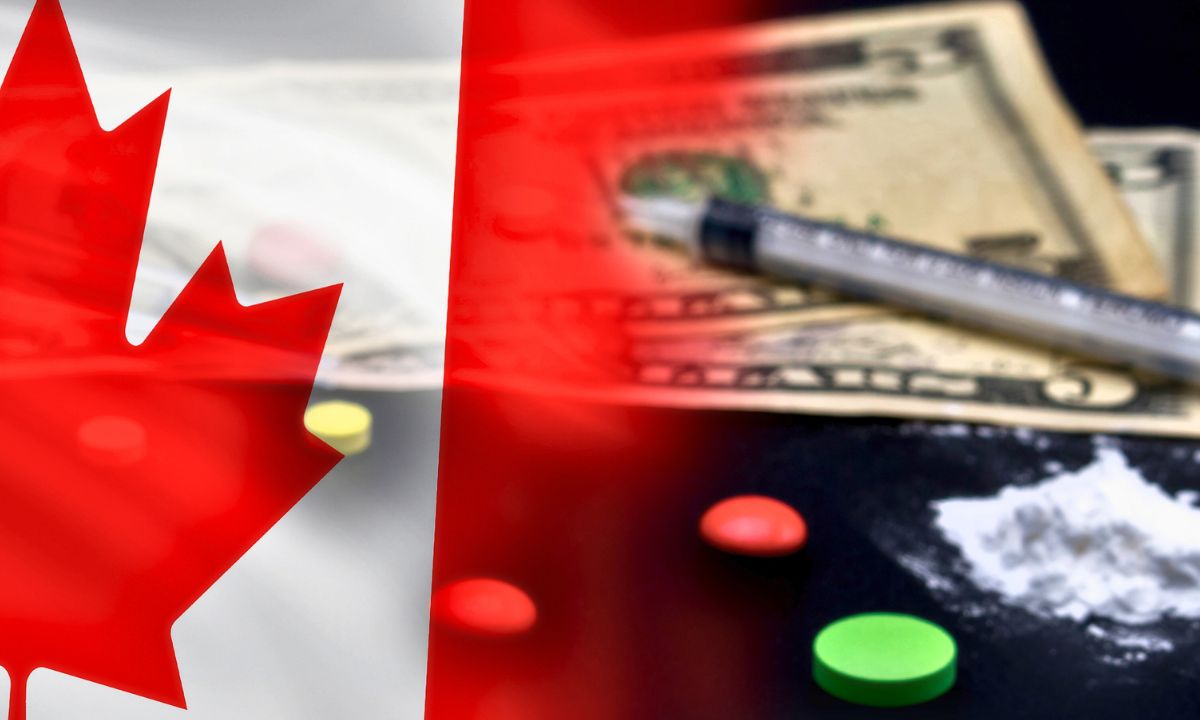
Canada, often associated with its serene landscapes and progressive policies, is now facing a stark reality. A recent report by the International Coalition Against Illicit Economies (ICAIE) reveals a disturbing trend: the country has become a hub for international criminal organizations, with Mexican cartels and Chinese triads at the forefront of this illicit underworld. The report, titled "Canada Illicit Economies Project," uncovers a complex web of drug trafficking, money laundering, and cross-border crimes that threaten the nation's security and stability.
The Great Lakes region, spanning eight U.S. states and two Canadian provinces, is identified as a significant hub for illegal activities. An astonishing $8 trillion illicit business thrives here, making it equivalent to the world's third-largest economy if it were a country. This region handles over 50% of U.S.-Canada cross-border trade, with key entry points like the Ambassador Bridge connecting Detroit and Windsor. The report also sheds light on the involvement of Punjabi gangs in a billion-dollar drug network, the Hells Angels' control over domestic drug distribution, and an Iranian crime network's role in fentanyl smuggling.
The financial backbone of this criminal enterprise is a Chinese triad syndicate, known for its global reach in drug trafficking, human trafficking, and money laundering. Vancouver and Toronto serve as their primary Canadian bases. The report further emphasizes the impact of these illicit activities on Canada's national security, endangering citizens and financing global insecurity through the operations of Mexican cartels, Chinese triads, and other criminal networks.
David Luna, ICAIE's executive director, warns that Canada's role as a safe zone for global crime networks has far-reaching consequences. The report serves as a wake-up call, urging the Canadian government to bolster border security and address these threats, which have the potential to destabilize not only Canada but also its neighboring countries and the global community.
Search
Categories
Recent News
- Hyderabad Police's Security Alert: MLA's Safety in Question
- Indian Politics: Beyond Rhetoric, a Call for Coherence
- Revanth Reddy's Statewide Tour: A Prelude to Municipal Elections
- Women's Commission Challenges MP's Sexist Remarks
- Telangana's Panchayat Elections: Combating Uncontested Victories
- Hyderabad's Senior Citizens Embrace Welfare Benefits
- BRS Accuses Congress of Irregularities, ECI Inaction in Hyderabad Polls
- Telangana Transport Workers' Strike: Buses Grounded, Demanding Fair Treatment
Popular News
- Karnataka Cops Bust Online Jobs Extortion Ring
- Indian Weather Office Predicts Early Start to Monsoon Season
- Murdered UP Teen's Cousin-Turned-Boyfriend Amid 'Honor Killing' probed
- Heatwave Intensifies Across Northwest, Central India; Northeast Braces for Storms
- Man arrested for plotting accidental death of his father