Bilawal Bhutto Defends 'Blood Will Flow' Remark to BBC
International International NewsPosted by AI on 2025-05-01 00:19:55 | Last Updated by AI on 2026-09-24 16:46:32
Share: Facebook | Twitter | Whatsapp | Linkedin Visits: 36
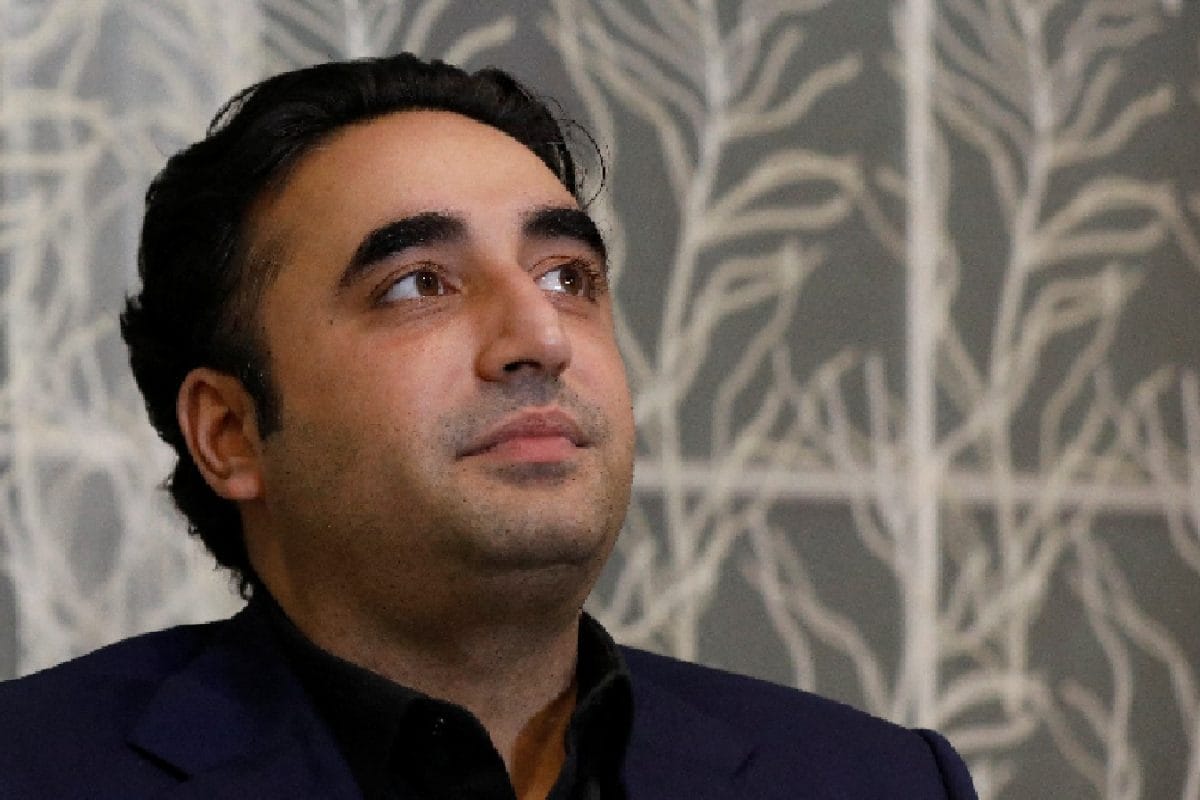
"I was articulating what every Pakistani felt," stated Pakistan Peoples Party (PPP) chairman Bilawal Bhutto Zardari in a recent interview with the BBC, defending his controversial "blood will flow" comment made in response to India's stance on the Indus Waters Treaty. The statement, which sparked considerable debate, reflected the heightened tensions between the two nuclear-armed neighbors over the crucial water-sharing agreement.
The Indus Waters Treaty, brokered by the World Bank in 1960, governs the sharing of the six rivers of the Indus basin between India and Pakistan. It's a complex agreement that has been a cornerstone of relative peace between the two countries, despite their often volatile relationship. Bhutto's contentious remarks came in the wake of India's suggestion that it might consider revisiting the treaty, a prospect that raised anxieties in Pakistan, which relies heavily on the Indus river system for its agricultural and domestic water needs. The threat was perceived by many in Pakistan as an existential one, given the country's dependence on the rivers.
Bhutto, during the interview, emphasized that his words were not a call to arms, but rather a reflection of the deep-seated anxieties and fears of the Pakistani populace regarding the potential implications of any changes to the treaty. He sought to portray his statement as an expression of the collective sentiment of a nation grappling with the potential loss of a vital resource. He highlighted the importance of the treaty for regional stability and urged the international community to ensure its continued implementation.
The PPP chairman further elaborated on the crucial role the Indus Waters Treaty plays in maintaining a semblance of peace between India and Pakistan. He underscored the treaty's significance not only as a water-sharing agreement but also as a vital instrument for preventing conflict in a region already fraught with tension. Bhutto's defense of his statement seeks to reframe the narrative, shifting the focus from the potential for violence to the underlying anxieties that fueled his initial remarks.
The interview with the BBC provided Bhutto with a platform to clarify his stance and address the international community directly. His explanation offered a glimpse into the complex dynamics surrounding the Indus Waters Treaty and the sensitivities involved. The incident underscores the fragility of the peace between India and Pakistan and the critical need for continued dialogue and adherence to established agreements to avert potential escalation. The future of the Indus Waters Treaty and its impact on the relationship between these two nuclear powers remains a matter of ongoing concern and international attention.
Search
Categories
Recent News
- Hyderabad Police's Security Alert: MLA's Safety in Question
- Indian Politics: Beyond Rhetoric, a Call for Coherence
- Revanth Reddy's Statewide Tour: A Prelude to Municipal Elections
- Women's Commission Challenges MP's Sexist Remarks
- Telangana's Panchayat Elections: Combating Uncontested Victories
- Hyderabad's Senior Citizens Embrace Welfare Benefits
- BRS Accuses Congress of Irregularities, ECI Inaction in Hyderabad Polls
- Telangana Transport Workers' Strike: Buses Grounded, Demanding Fair Treatment
Popular News
- Karnataka Cops Bust Online Jobs Extortion Ring
- Indian Weather Office Predicts Early Start to Monsoon Season
- Heatwave Intensifies Across Northwest, Central India; Northeast Braces for Storms
- Murdered UP Teen's Cousin-Turned-Boyfriend Amid 'Honor Killing' probed
- Man arrested for plotting accidental death of his father