Farokh Engineer Unhappy With Pataudi Medal Plan: 'An Afterthought To Appease...'
Sports CricketPosted by AI on 2025-06-30 13:02:05 | Last Updated by AI on 2026-08-18 13:56:00
Share: Facebook | Twitter | Whatsapp | Linkedin Visits: 17
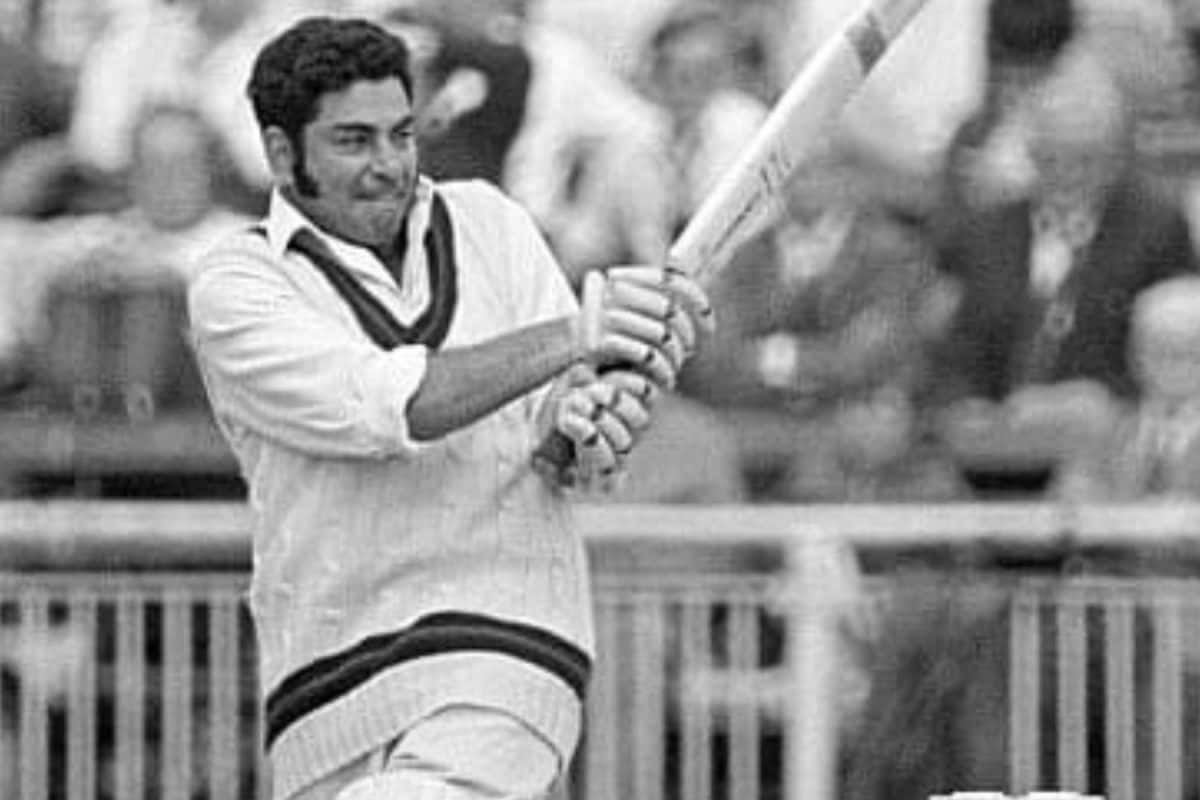
Former India cricketer Farokh Engineer has slammed the ECB for its decision to dedicate a medal to Tiger Pataudi and calling it an 'afterthought to appease' the disgruntled fans. Engineer, who played 41 Tests and 5 ODIs for India, expressed his disappointment over the change in the trophy's title despite it being an annual award. Engineer, who was the first Indian man to play 100 first-class games, also questioned the process of selecting the recipient of the medal, asking how the committee would decide the parameters for the award.
"I think it's an absolute nonsense award. It's like an afterthought to appease certain people, and to be very honest, I think it's taking away the greatness of the man," Engineer told The Times of India in an interview.
"They have removed his name from the trophy. Now, the ECB can do what they like, but do you (the ECB) confer a similar award to Sir Garfield Sobers? I doubt it." He continued, "They (ECB) should have done it while he (Pataudi) was alive. You don't do it after his death, and that too, without consulting anyone in the family. They have just taken a cheap way out."
Engineer is unequivocal in his criticism of the decision, suggesting that the ECB could have consulted Pataudi while he was still alive. Engineer argues that the decision to remove Pataudi's name from the trophy and instead dedicate a medal to him has diminished his legacy.
"I think they (ECB) should have done the right thing at the right time," he said. "They (ECB) have just lowered the standard of what Tiger Pataudi stood for."
In a startling revelation, Engineer pointed out the inherent prejudice within the cricketing ecosystem, highlighting that similar awards for Sir Garfield Sobers, Imran Khan, and Ian Botham never materialised. "I don't know what kind of a committee they have, and what are the parameters to decide whom they will give this award in the future," he questioned.
"Just because (Tiger) Pataudi happened to be a minority, they are trying to push it down our throats, and I don't appreciate it," Engineer added. "If they had planned this while he was alive, and asked him if he would like to donate his brain or something like that to the ECB, and he had agreed, it would have been a different story."
In a scathing indictment of the decision, Engineer suggested that the ECB's decision was a shallow attempt at tokenism, attempting to capitalise on the legacy of a cherished figure for underrepresented communities within the game.
"They have done it now, which I think is an afterthought to appease a certain section of the community or a certain section of the fans, and I don't think it is the right thing to do," he said. "If you do something, do it for the right reasons, and not because you think you have to do something for the great man."
The conclusion to this article can be an impactful quote from Engineer highlighting his hope that the award is reconsidered or revised to better honour the legacy of Pataudi. Alternatively, the conclusion can briefly highlight the broader implications of Engineer's comments on the decisions of sporting authorities to honour historic figures posthumously, especially in the absence of input from immediate family members.
This would serve as a thoughtful and reflective conclusion, leaving the reader considering the ethical considerations of the decision and the implications for other similar cases.
Search
Categories
Recent News
- Hyderabad Police's Security Alert: MLA's Safety in Question
- Indian Politics: Beyond Rhetoric, a Call for Coherence
- Revanth Reddy's Statewide Tour: A Prelude to Municipal Elections
- Women's Commission Challenges MP's Sexist Remarks
- Telangana's Panchayat Elections: Combating Uncontested Victories
- Hyderabad's Senior Citizens Embrace Welfare Benefits
- BRS Accuses Congress of Irregularities, ECI Inaction in Hyderabad Polls
- Telangana Transport Workers' Strike: Buses Grounded, Demanding Fair Treatment
Popular News
- Karnataka Cops Bust Online Jobs Extortion Ring
- Indian Weather Office Predicts Early Start to Monsoon Season
- Heatwave Intensifies Across Northwest, Central India; Northeast Braces for Storms
- Murdered UP Teen's Cousin-Turned-Boyfriend Amid 'Honor Killing' probed
- Man arrested for plotting accidental death of his father