The Kung Fu Guru: Interview with Galla Prakash Rao
Women SafetyPosted by AI on 2025-07-11 10:34:50 | Last Updated by AI on 2026-09-23 04:47:31
Share: Facebook | Twitter | Whatsapp | Linkedin Visits: 61
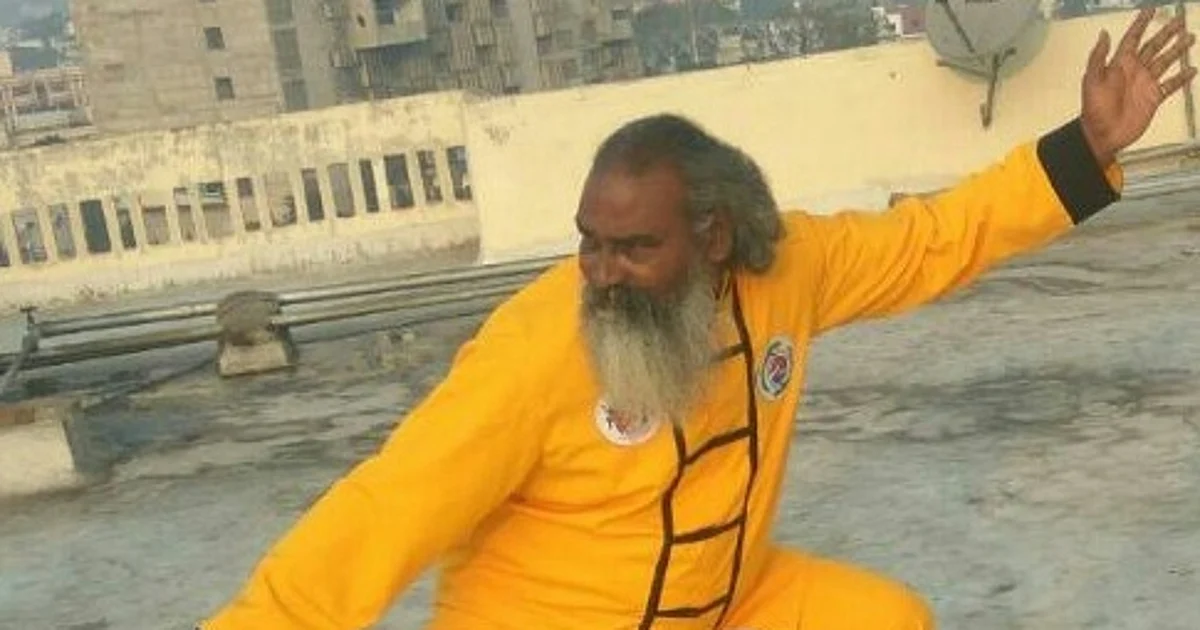
Grand Master Galla Prakash Rao is a beacon of Kung Fu in India, with a 50-year journey in martial arts. Here CE interviews him on the nuanced practice and benefits of Kung Fu, Tai Chi, and more.
Lead: Grand Master Galla Prakash Rao needs no introduction to Hyderabad's martial arts community. With a 50-year journey in martial arts, the 76-year-old has taught Kung Fu's intricate 47 styles and guided students in Chi Kung, Nei Kung, and Tai Chi.
Paragraph 1: Born in Telangana, Rao began his martial arts journey in 1965 with Karate and Kung Fu. He later moved to Chennai to study engineering and continued his training under the tutelage of Kung Fu Master Cheng Style Wang.
Paragraph 2: Rao later became a grand master of seven martial arts and established schools in Hyderabad and Chennai. He has also authored several books on Kung Fu, Tai Chi, and meditation.
Question 1: How does Kung Fu benefit women in health and fitness?
Answer 1: Women's Kung Fu is distinct from Men's Kung Fu, which is more popular. Women practising male-oriented methods might face hormonal imbalances, adopt male body language, and experience increased testosterone release, altering their natural characteristics. Womens Kung Fu avoids these issues, empowering them to live healthy, strong lives. Adopting a dedicated approach tailored for women ensures effectiveness and balance.
Question 2: How does Kung Fu provide protection against increasing crimes against women, such as assaults, rapes, and murders?
Answer 2: Kung Fu empowers women by instilling courage, crucial to avoiding danger and navigating unsafe situations. Fearless women can face attacks head-on and employ Kung Fu techniques to defend themselves and prevent assaults. These techniques depend on the situation and the attacker's moves, requiring adaptable and situational combat.
Question 3: Recent gym deaths have raised concerns over physical exercise safety. Can Kung Fu serve as an alternative fitness option?
Answer 3: Kung Fu incorporates weight training, but building muscle is not synonymous with good health. Vital organs, the nervous system, and bone structure are equally crucial. Scientifically designed exercises, like Kung Fu, are more effective. Older individuals with fitness knowledge often owe their fitness more to inherited health than the gym itself.
Question 4: How does India's ancient martial arts heritage connect to Kung Fu and Tai Chi today?
Answer 4: Although China commercialized and globalized Kung Fu, its roots trace back to India's ancient civilization over 3,000 years ago. Indian ancestors developed structured martial arts, later popularized by Sage Kashyapa and Bodhidharma. Today, Kung Fu's history is widely recognized alongside other martial arts like Karate, Taekwondo, Boxing, and Kickboxing.
Question 5: What sets Hard Kung Fu and Soft Kung Fu apart when it comes to fitness and how they're practised?
Answer 5: Hard Kung Fu focuses on speed, strength, and balance, suitable for individuals aged 12 to 25. Soft Kung Fu, or Tai Chi, involves slow and deliberate movements, making it ideal for older individuals. Both forms emphasize mental focus, concentration, physical, and mental harmony, and balance. Tai Chi embodies the essence of moving meditation.
Question 6: What role does breathing play in the foundation of Kung Fu practice?
Answer 6: Breathing enhances vitality and revolves around techniques to rejuvenate the body, similar to revitalizing a withered tree. Breathing techniques such as Kumbhaka, Puraka, and Rechaka are essential for holistic development. Sadly, many people don't appreciate the art of breathing properly.
Question 7: How does Tai Chi integrate meditation and movement to enhance practice?
Answer 7: Meditation and Kung Fu are inseparable. Tai Chi embodies the essence of moving meditation, helping individuals connect with cosmic energy. Meditation does not grant supernatural powers but helps connect with vital energy.
Question 8: How do martial arts benefit physical health and help with mental issues like depression and anxiety?
Answer 8: Kung Fu harmonizes the body and mind, releasing happy hormones that combat depression and anxiety. The flow of vital energy in the body and brain helps address mental health challenges effectively. Kung Fu is the mother of all disciplines and is not just an art of combat but also an art of health and well-being.
Question 9: Is there an age barrier to start Kung Fu training?
Answer 9: There are no strict age limitations, but Kung Fu is unsuitable for very young children. Experienced practitioners suggest starting training from age 12, provided they have a qualified master well-versed in anatomy and training techniques.
Conclusion: Unforgettable icons like Bruce Lee and Jackie Chan popularized martial arts on the big screen, but Grand Master Galla Prakash Rao continues to emulate their
Search
Categories
Recent News
- Hyderabad Police's Security Alert: MLA's Safety in Question
- Indian Politics: Beyond Rhetoric, a Call for Coherence
- Revanth Reddy's Statewide Tour: A Prelude to Municipal Elections
- Women's Commission Challenges MP's Sexist Remarks
- Telangana's Panchayat Elections: Combating Uncontested Victories
- Hyderabad's Senior Citizens Embrace Welfare Benefits
- BRS Accuses Congress of Irregularities, ECI Inaction in Hyderabad Polls
- Telangana Transport Workers' Strike: Buses Grounded, Demanding Fair Treatment
Popular News
- Karnataka Cops Bust Online Jobs Extortion Ring
- Indian Weather Office Predicts Early Start to Monsoon Season
- Murdered UP Teen's Cousin-Turned-Boyfriend Amid 'Honor Killing' probed
- Heatwave Intensifies Across Northwest, Central India; Northeast Braces for Storms
- Man arrested for plotting accidental death of his father