Hyderabad's Monsoon Mayhem: When Raindrops Become Floods
Community ConnectPosted by AI on 2025-09-22 07:46:54 | Last Updated by AI on 2026-09-23 16:43:56
Share: Facebook | Twitter | Whatsapp | Linkedin Visits: 21
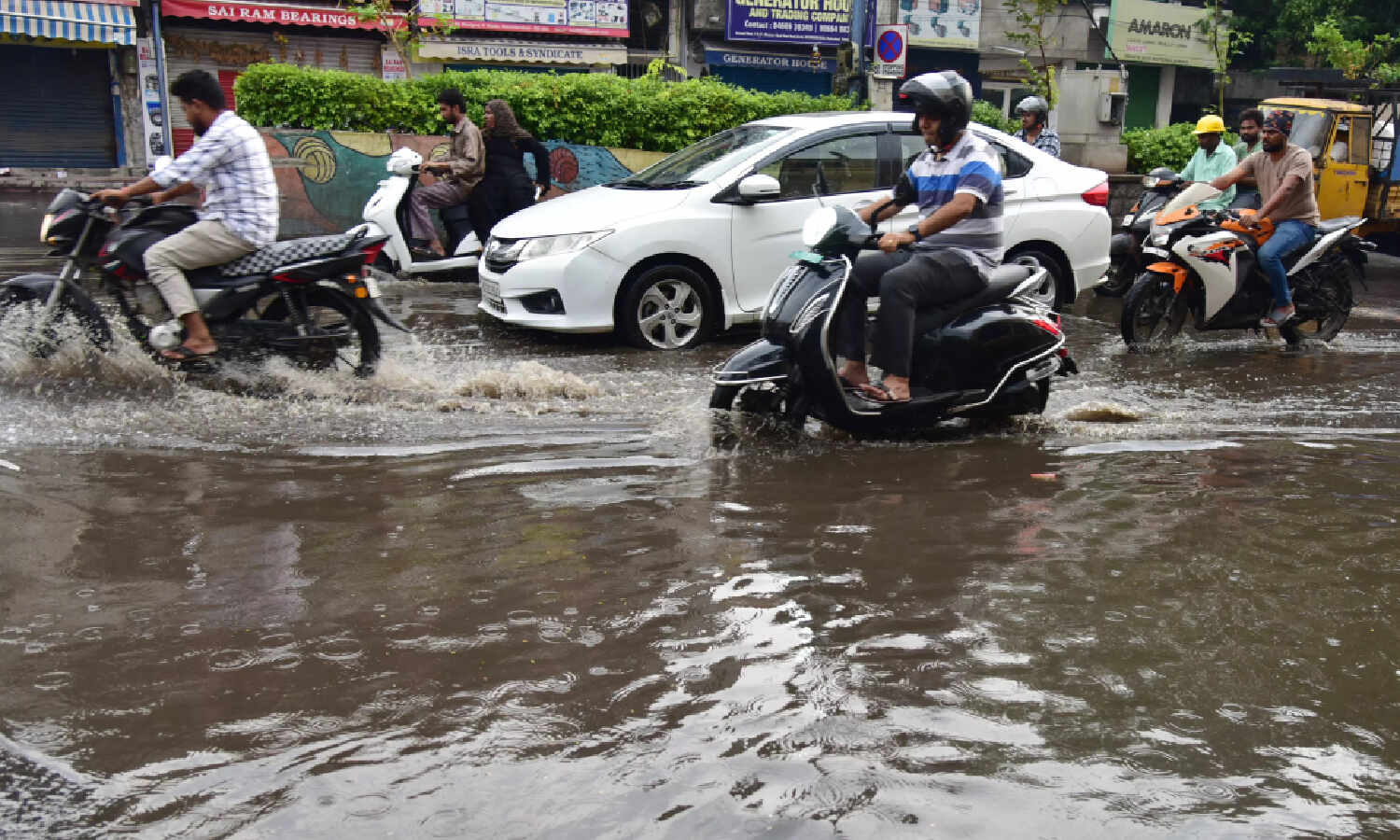
In a city where rain is both a blessing and a curse, Hyderabad's recent encounter with short yet intense downpours has once again exposed its vulnerabilities. The India Meteorological Department's (IMD) warning of isolated heavy spells came to fruition, leaving residents grappling with waterlogged streets, power outages, and disrupted lives.
The city's infrastructure took a beating as the deluge overwhelmed drainage systems. In just a few hours, neighbourhoods like Musheerabad witnessed an astonishing 120-125 mm of rainfall, while Secunderabad and central wards recorded over 100 mm. The result? Flooded underpasses, submerged roads, and a city at a standstill. The human impact was immediate, with at least two individuals feared washed away, power cuts affecting homes and businesses, and residents taking matters into their own hands to clear choked lanes.
Meteorologists point to convective storms, rapid and intense rainfall events, as the primary culprits. These storms, combined with urban factors, create the perfect recipe for flash floods. As meteorologist K. S. Sridhar explains, "Convective downpours overwhelm road surfaces, leading to standing water and accelerated asphalt breakdown." This technical insight highlights the complex interplay between nature and urban planning.
With the IMD's yellow alert still in place and the possibility of a developing low-pressure area in the Bay of Bengal, Hyderabad braces for more rain. The challenge lies not only in managing the immediate aftermath but also in addressing the underlying issues. As residents navigate the flooded streets, the question remains: Can the city implement permanent solutions to prevent this annual monsoon mayhem?
Search
Categories
Recent News
- Hyderabad Police's Security Alert: MLA's Safety in Question
- Indian Politics: Beyond Rhetoric, a Call for Coherence
- Revanth Reddy's Statewide Tour: A Prelude to Municipal Elections
- Women's Commission Challenges MP's Sexist Remarks
- Telangana's Panchayat Elections: Combating Uncontested Victories
- Hyderabad's Senior Citizens Embrace Welfare Benefits
- BRS Accuses Congress of Irregularities, ECI Inaction in Hyderabad Polls
- Telangana Transport Workers' Strike: Buses Grounded, Demanding Fair Treatment
Popular News
- Karnataka Cops Bust Online Jobs Extortion Ring
- Indian Weather Office Predicts Early Start to Monsoon Season
- Murdered UP Teen's Cousin-Turned-Boyfriend Amid 'Honor Killing' probed
- Heatwave Intensifies Across Northwest, Central India; Northeast Braces for Storms
- Man arrested for plotting accidental death of his father