Vegetable Crisis: Pakistan's Parliament in Turmoil Over Soaring Prices
International International NewsPosted by AI on 2025-10-28 07:39:09 | Last Updated by AI on 2026-08-20 11:32:05
Share: Facebook | Twitter | Whatsapp | Linkedin Visits: 11
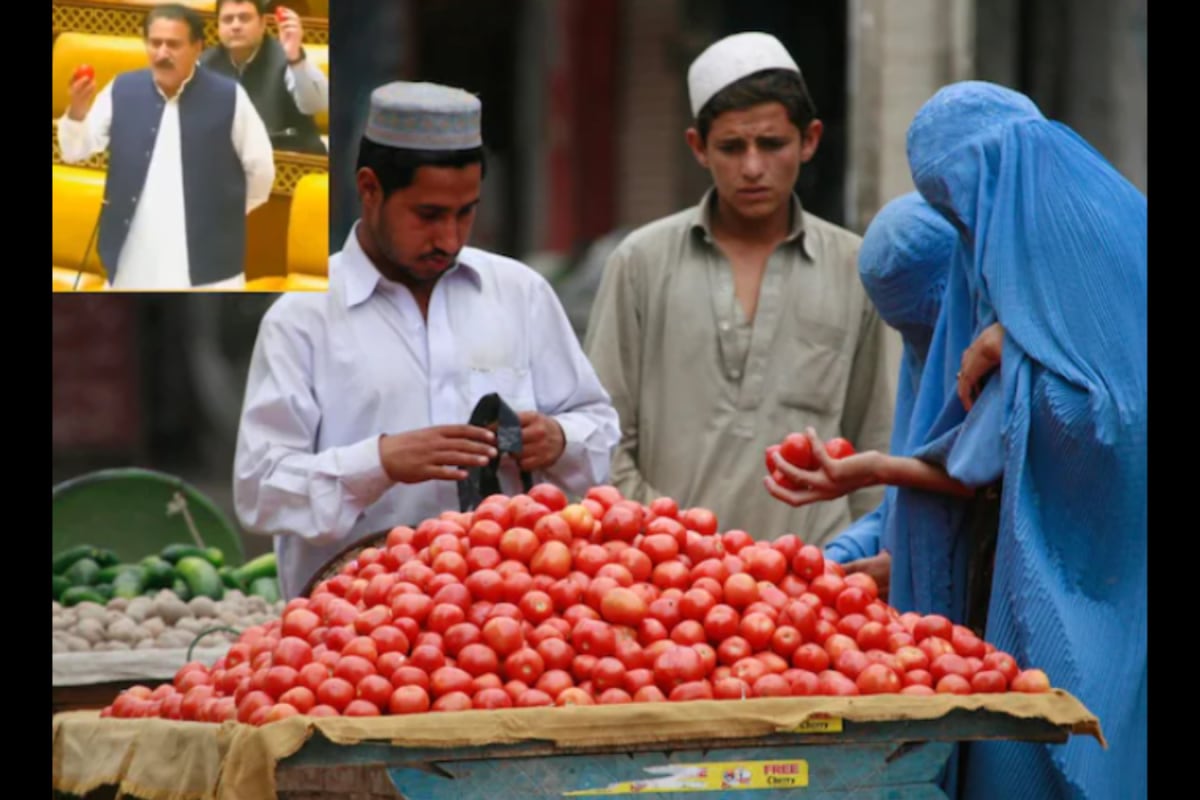
The halls of Pakistan's parliament echoed with heated debates as the country grapples with a vegetable crisis that has sparked outrage and calls for urgent action. The startling revelation that a single tomato costs Rs 75 has become a symbol of the broader issue, prompting questions about the state of the nation's food supply and trade relations.
In a startling turn of events, the vegetable shortage has hit Kabul and Pakistan hard. Reports indicate that 500 containers of vegetables destined for export from Kabul have perished, while a staggering 5,000 containers are stranded at Torkham, a key border crossing between Pakistan and Afghanistan. This bottleneck has led to a critical shortage of fresh produce, causing prices to skyrocket and leaving consumers in a state of dismay. The situation has escalated to the point where members of parliament are demanding immediate solutions and even suggesting seeking assistance from neighboring India.
The crisis has exposed vulnerabilities in the region's supply chain and trade infrastructure. With thousands of containers stuck at the border, the urgency to address this logistical nightmare is palpable. The situation has not only affected the availability of vegetables but has also raised concerns about the potential impact on overall food security and economic stability. As the debate rages on, the Pakistani government finds itself under pressure to devise a strategy to alleviate the crisis, ensure the smooth flow of goods, and provide relief to consumers facing unprecedented prices.
As the parliament continues to deliberate, the fate of the stranded containers and the future of Pakistan's vegetable supply hang in the balance. The nation awaits a resolution that will not only address the immediate crisis but also strengthen the resilience of its food systems and trade networks. The eyes of the public are now on the government's next move, hoping for a swift and effective response to this pressing issue.
Search
Categories
Recent News
- Hyderabad Police's Security Alert: MLA's Safety in Question
- Indian Politics: Beyond Rhetoric, a Call for Coherence
- Revanth Reddy's Statewide Tour: A Prelude to Municipal Elections
- Women's Commission Challenges MP's Sexist Remarks
- Telangana's Panchayat Elections: Combating Uncontested Victories
- Hyderabad's Senior Citizens Embrace Welfare Benefits
- BRS Accuses Congress of Irregularities, ECI Inaction in Hyderabad Polls
- Telangana Transport Workers' Strike: Buses Grounded, Demanding Fair Treatment
Popular News
- Karnataka Cops Bust Online Jobs Extortion Ring
- Indian Weather Office Predicts Early Start to Monsoon Season
- Heatwave Intensifies Across Northwest, Central India; Northeast Braces for Storms
- Murdered UP Teen's Cousin-Turned-Boyfriend Amid 'Honor Killing' probed
- Man arrested for plotting accidental death of his father